
Blade Servers | HP | Dell | IBM
***Blade Servers* are a server architecture designed to house multiple server modules, often referred to as "*blades*," in a single chassis. This design is widely used in *datacenters* for its ability to save space, improve system management, and reduce energy costs. Whether self-standing or rack-mounted, the chassis provides the necessary power supply, while each individual *blade* houses its own *CPU, RAM,* and *storage*. The modular design allows for efficient use of resources, making blade servers an ideal solution for environments requiring high-performance computing with minimal space usage.** A blade server is a compact, self-contained unit that fits into an enclosure, typically known as a **chassis**, which can house multiple blades. Each **blade** may include hot-plug hard drives, memory, network cards, input/output cards, and integrated lights-out remote management features. Blade servers offer several key benefits, including **reduced energy costs**, **space savings**, and **lower power and cooling expenses**, thanks to their efficient power management and shared cooling systems. These features make them ideal for tasks such as:- - **:: File sharing** - **:: Database and application hosting** - **:: SSL encryption of web communication** - **:: Hosting virtual server platforms** - **:: Streaming audio and video content** The **modular design** of blade servers enables **dynamic load handling**, **increased resiliency**, and **scalability**. The blade enclosure optimizes **power**, **cooling**, **network connectivity**, and **management** for all the blades within, resulting in a more efficient and cost-effective data center environment. Furthermore, blade servers offer **reduced cabling** and provide **redundancy** for critical tasks, ensuring business continuity. With their compact design and ability to pool resources, blade servers significantly reduce a data center’s **footprint** while maintaining high performance. **Benefits of Blade Servers:-**
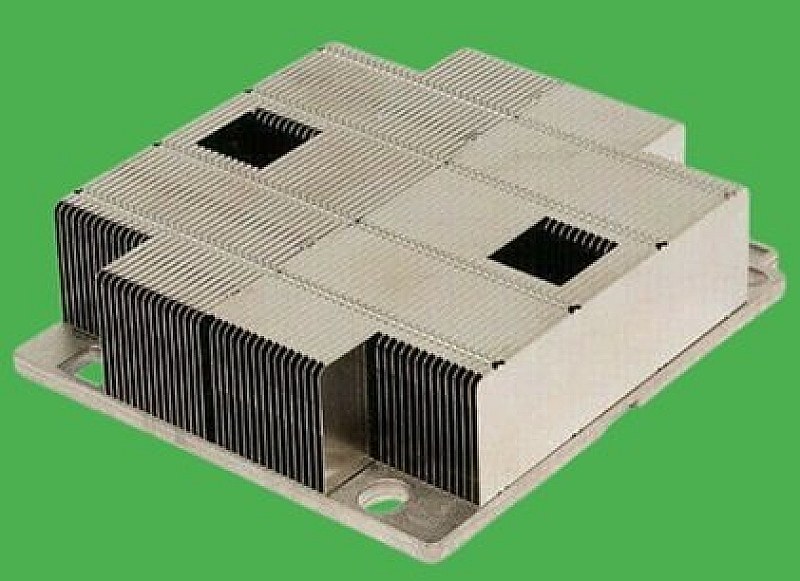
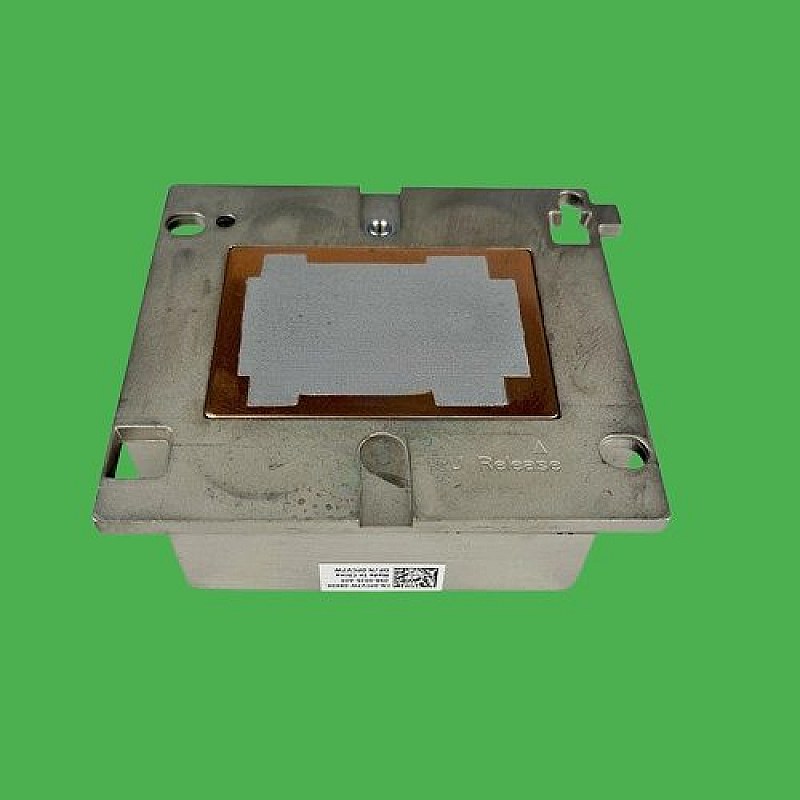
Dell 100MM Screw Down CPU1 Heatsink for PowerEdge M640 DPN:0PCV7W,PCV7W. Brand: Dell. Part #: 0PCV7W,PCV7W. Specs:-. ::Type: Blade server heatsink. ::Description: Dell 100mm Screw Down CPU1 Heatsink for PowerEdge M640…
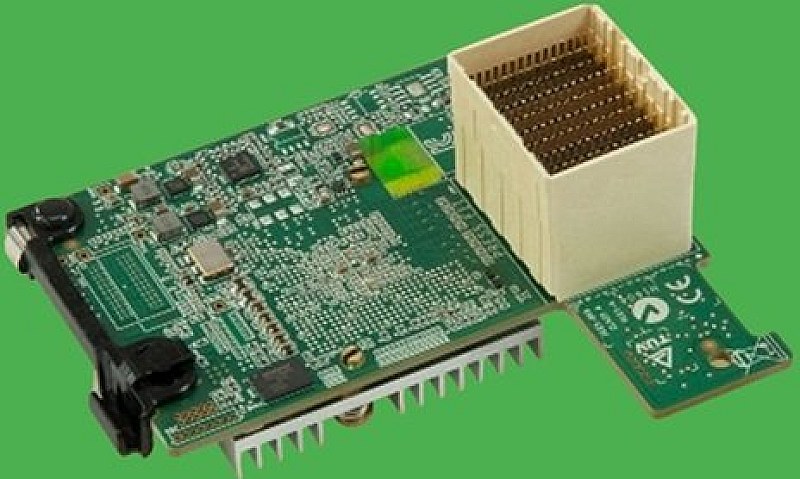
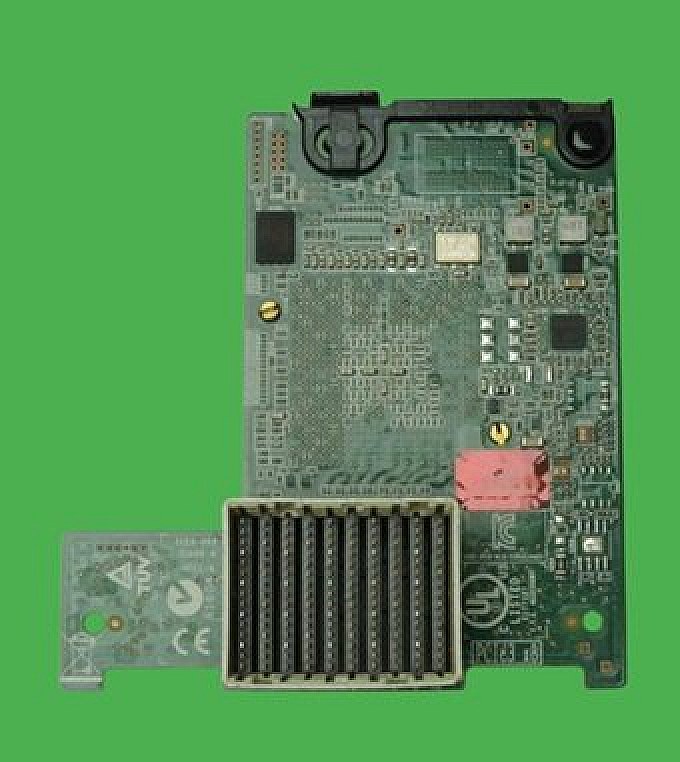
Dell QLogic Dual Port 16Gb HBA FC Blade Mezzanine Card for PowerEdge M630 M640 M820 Blades DPN: 4GDP5,04GDP5,QME2662. Brand: Dell. Part #:4GDP5,04GDP5. Model: QME2662. Specs:-. ::Type: Blade Mezzanine cards…
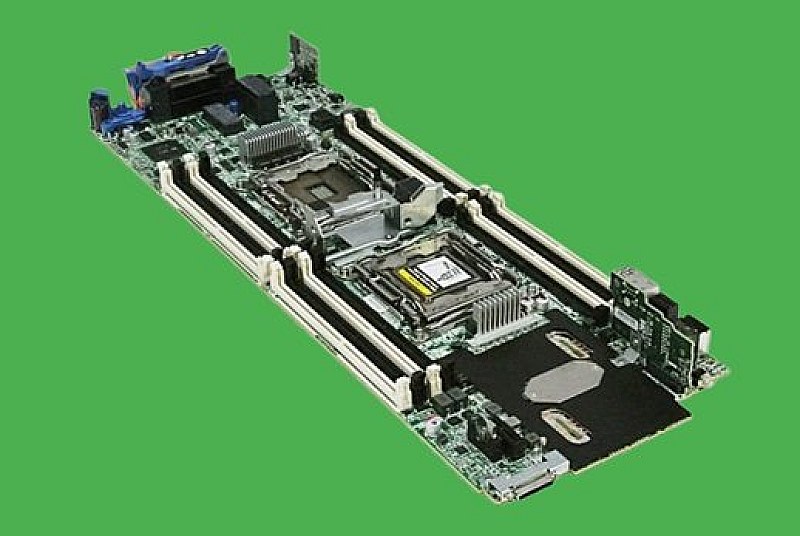
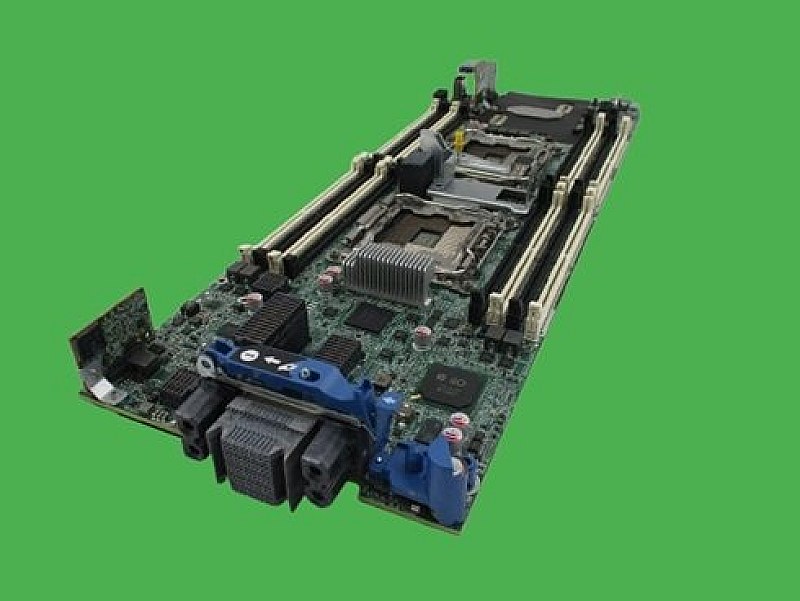
HPE BL460c G9 E5-V4 System Board HPN: 843305 001,740039-004. Brand: HPE. Part #: 843305 001. Alt. Part #(s):: 740039-001, 744409-001, 740039-005. Specs:-. :: Type: Blade server replacement motherboards. :: No. of…
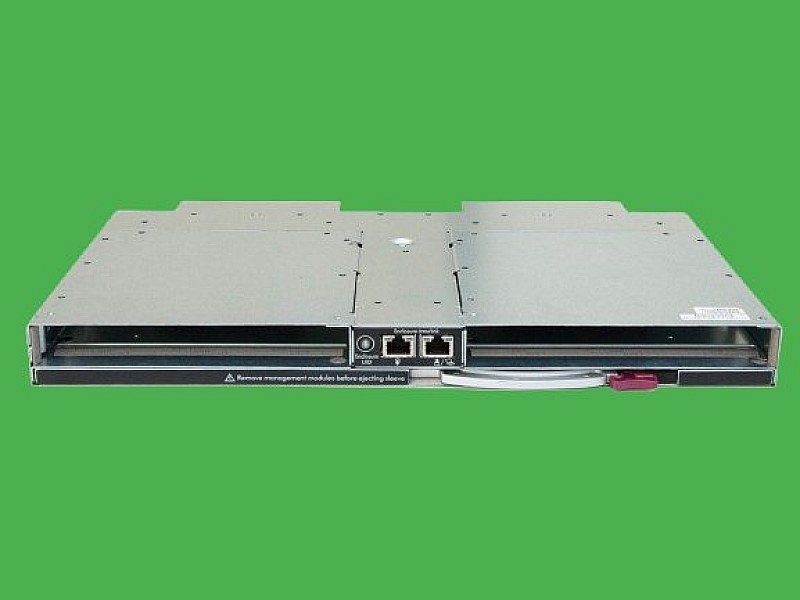
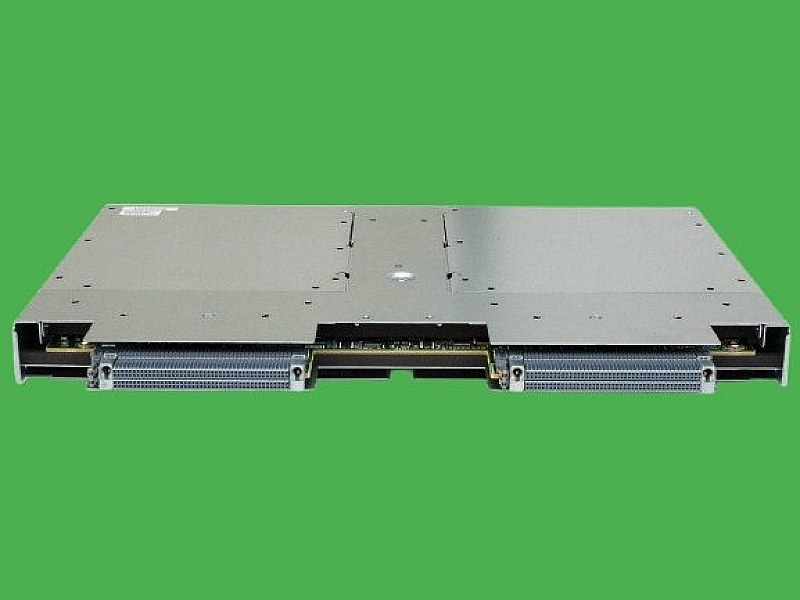
HP C7000 Platinum Onboard Admin Sleeve HPN: 711994-001,407295-504. Brand: HPE. Part #(s): Spare Part #: 711994-001. Assembly Part #: 407295-504. Other Part Identifier: PDFWL0BTAY09R. Revision: 0B. Specs:-. :: Type…
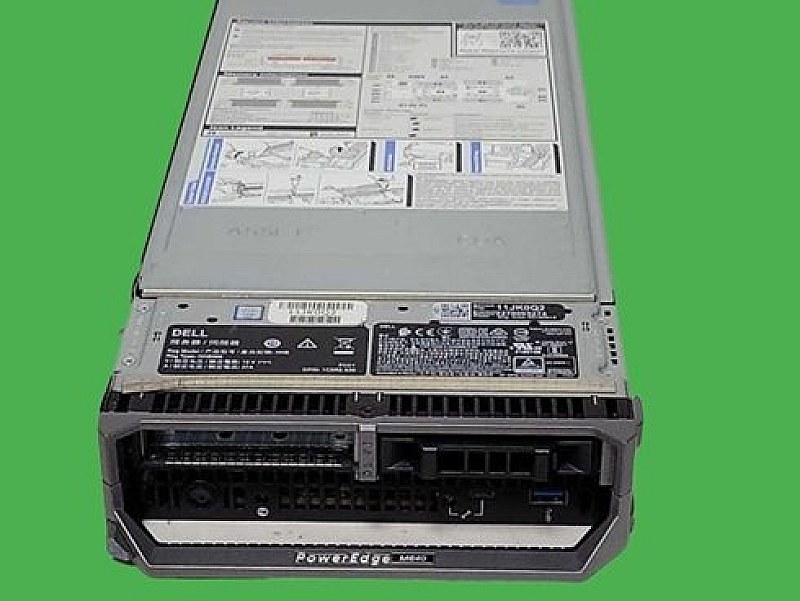
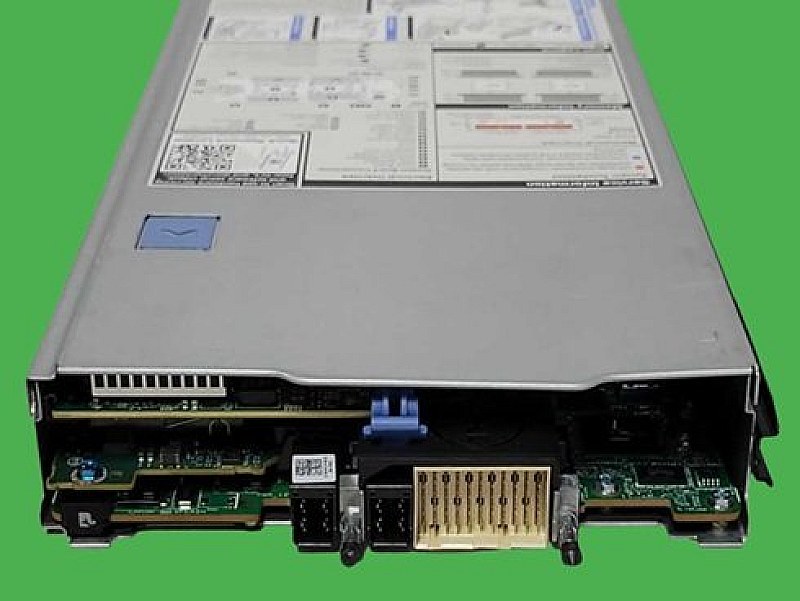
Dell PowerEdge M640 2-Bay SFF Blade Server Customizable. Brand: Dell. Model: M640. Specs:-. Base Configuration: :: 1 x Dell M640 Blade Server 2 x 2.5inch CTO Chassis (DPN: HNWY0,0HNWY0). :: 1 X Dell Poweredge FC640/M640…
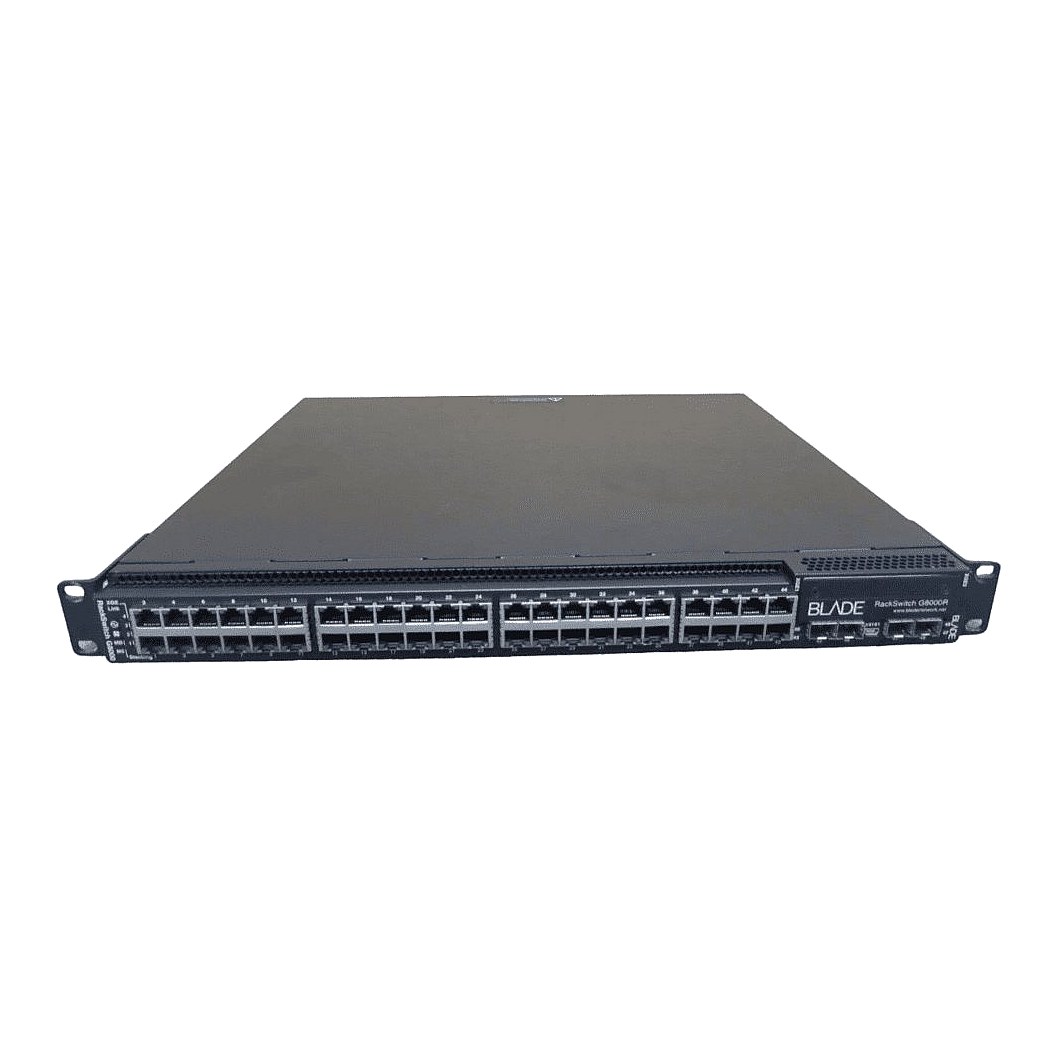
Blade RackSwitch G8000R 48-Port Switch Part #: BAF-00012-05 / 0446E13. Brand: IBM. Part #: 0446E13. Alt. Part : BAF-00012-05. Model Number: G8000R. Specs:-. :: Type: Data Center Access Layer Switch. :: Port…
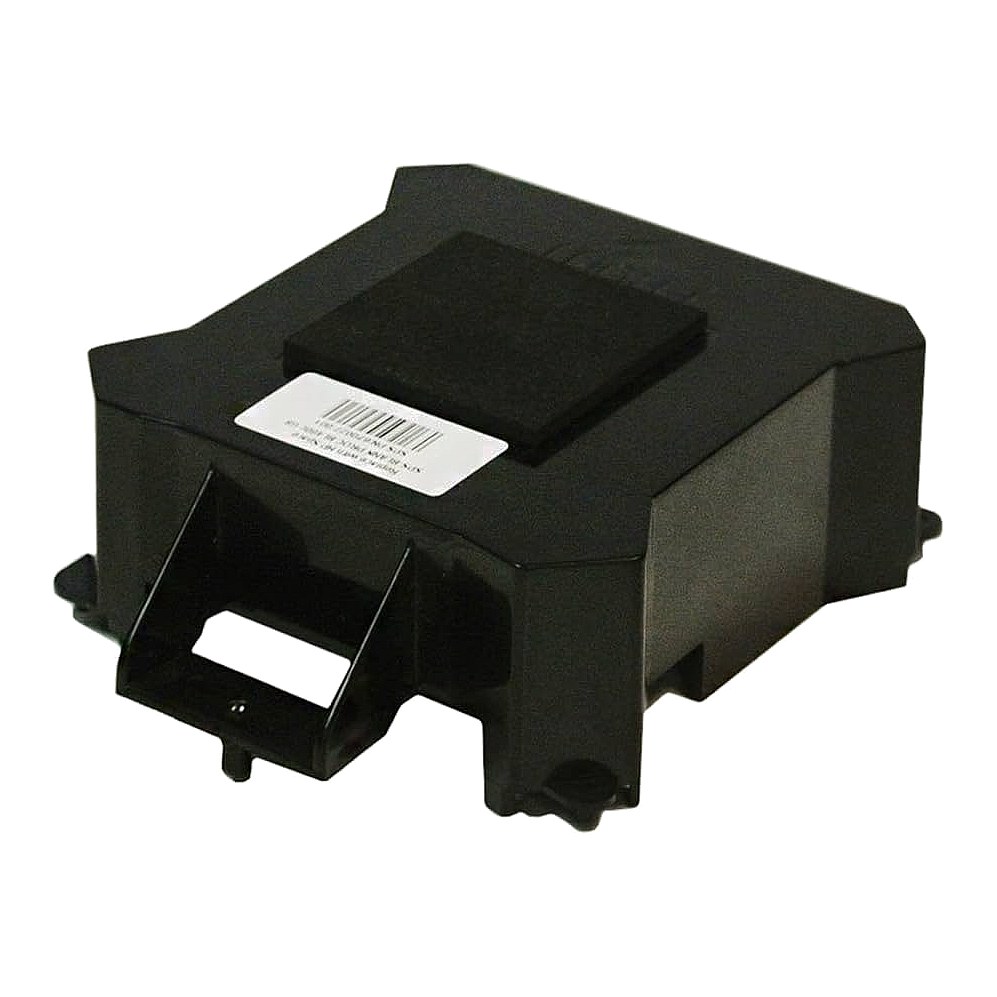
HP ProLiant BL460C G8 Heatsink Blank Part #: 670027-001. Brand: HP. Part #: 670027-001. Alt. Part #: 670027-001. Specs:-. :: Compatibility: HP ProLiant BL460C G8 System. :: Condition: New. :: MPN: 670027-001. Warranty…
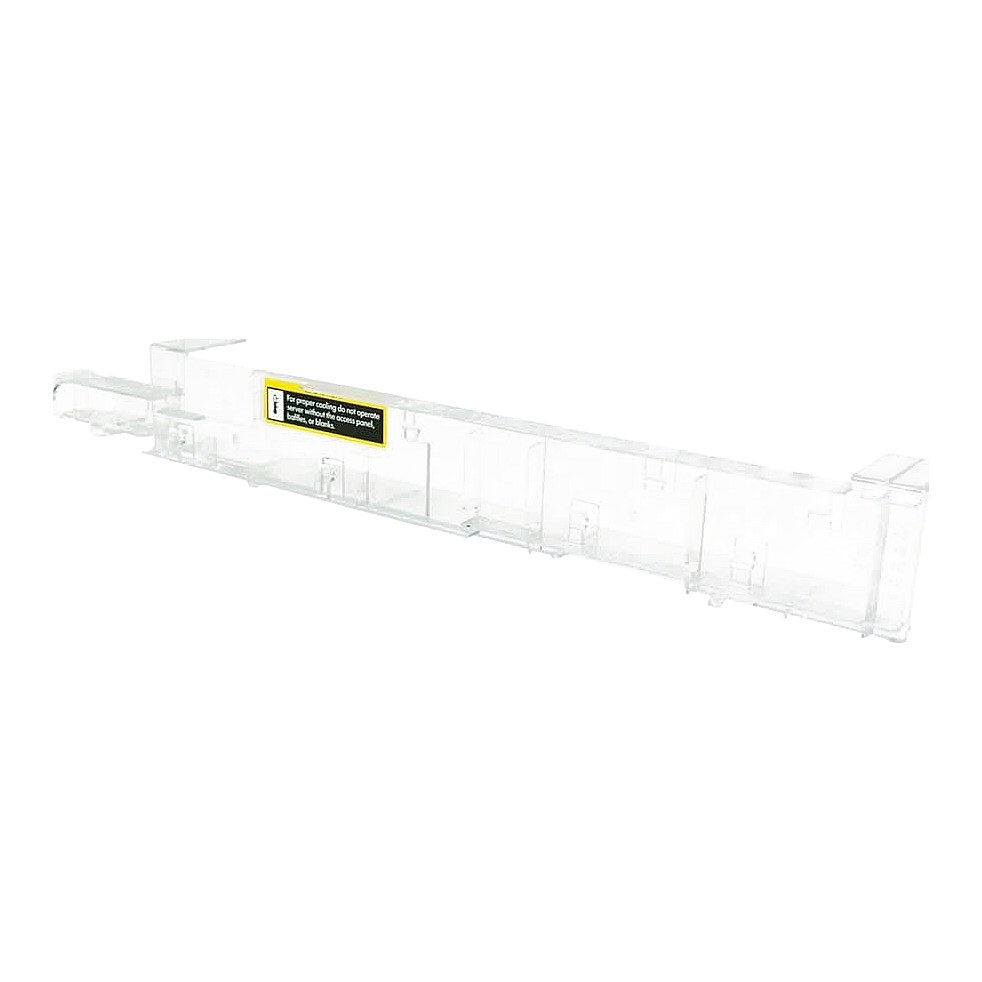
HPE ProLiant BL460C G8 Memory Baffle Part #: 670028-001. Brand: HPE. Part #: 670028-001. Alt. Part #: 670028-001. Specs:-. :: Compatibility: HPE ProLiant BL460C G8 System. :: Condition: Used (very good). :: MPN…
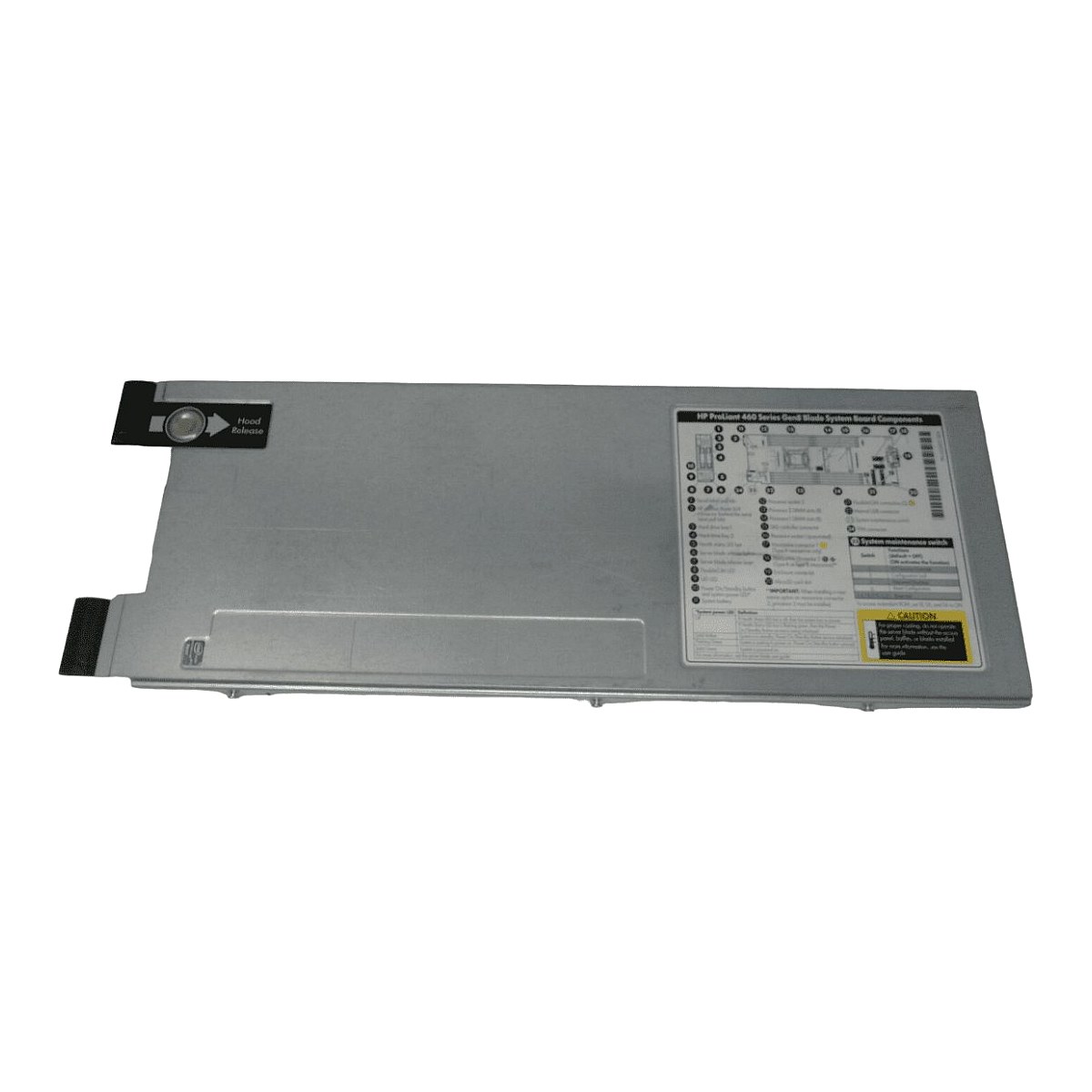
HPE ProLiant BL460C Gen 8 Top Cover Assembly Panel Part #: 670024-001. Brand: HPE. Part #: 670024-001. Alt. Part #: 670024-001. Specs:-. :: Compatibility: HPE ProLiant BL460C Gen 8 System. :: Condition: Refurbished…
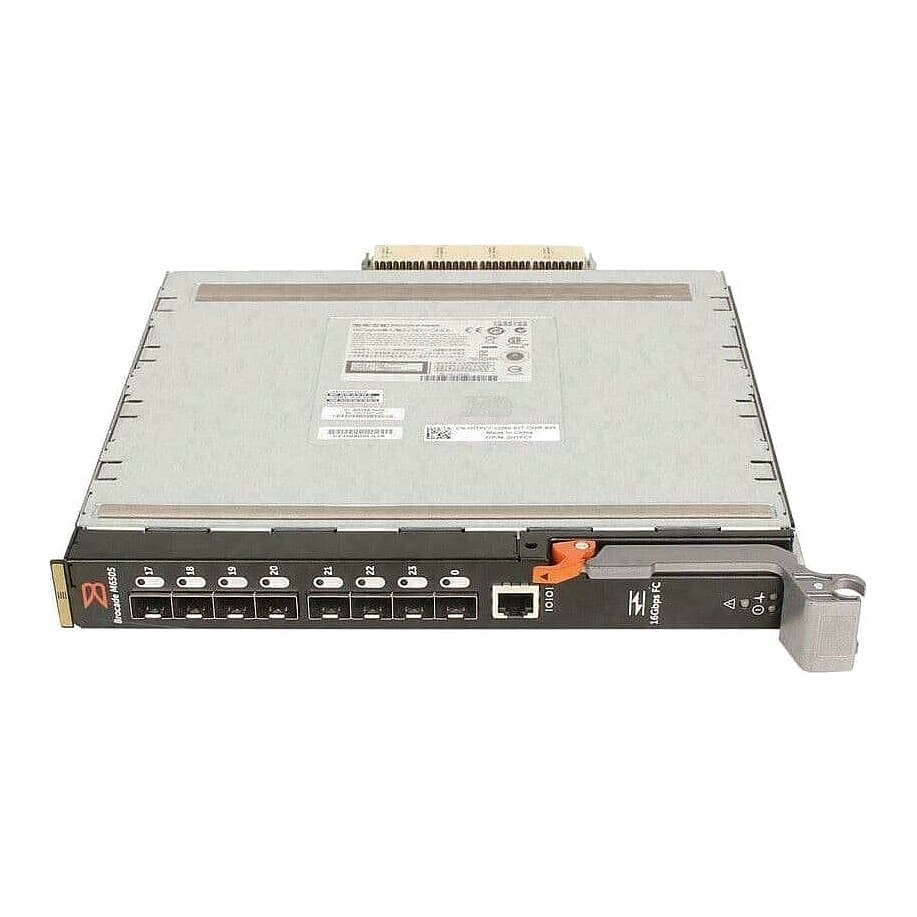
Brocade M6505 for Dell Brocade 16GB FC SAN Blade Switch Part #: 0T6RG7 / T6RG7 / 0HTPC7 / 0NF30Y. Brand: Dell. Part #: 0T6RG7. Alt. Part #: 0HTPC7 / 0NF30Y / T6RG7. Model: M6505. Specs:-. :: Type: Blade SAN switch…
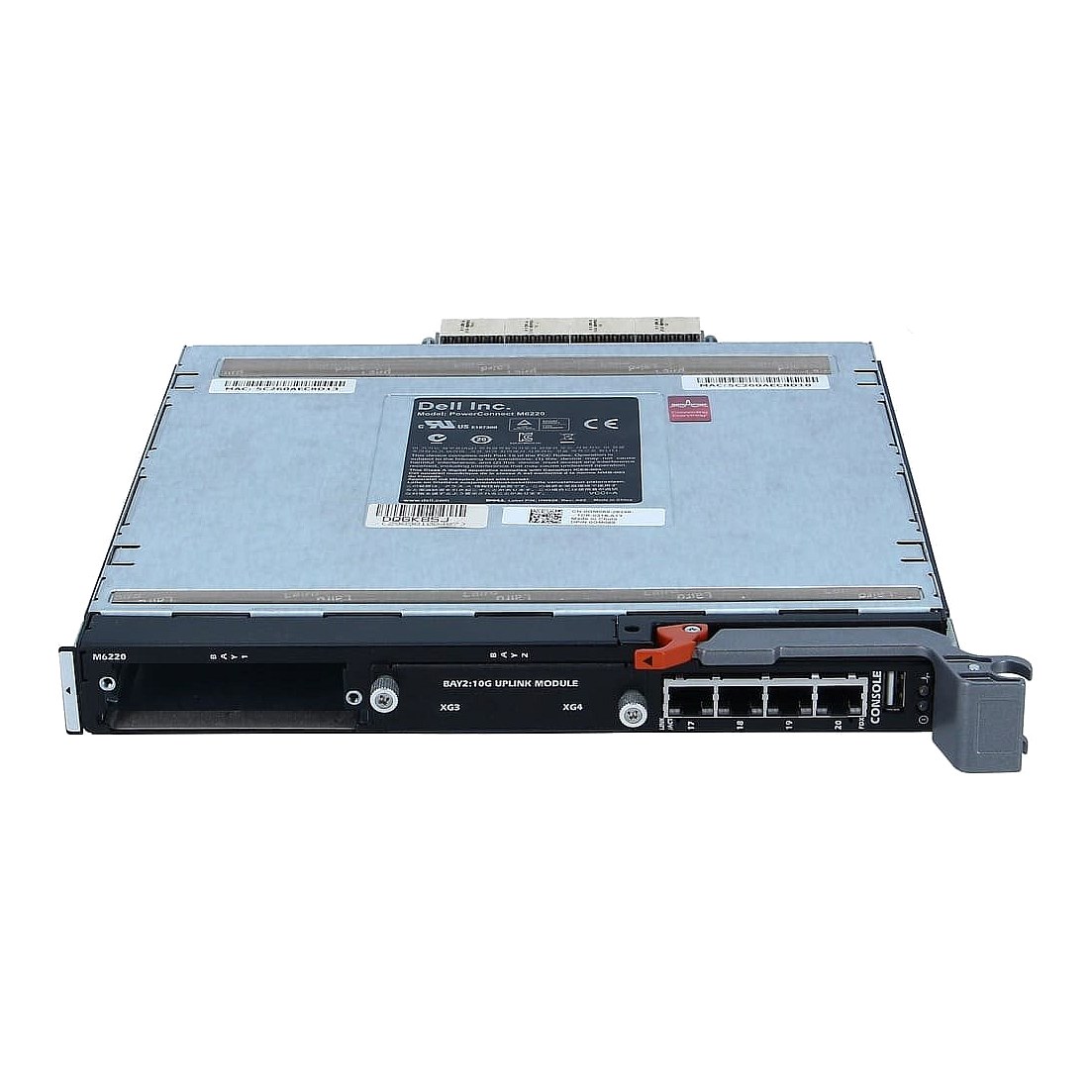
Dell PowerEdge M1000e Force10 MXL 10Gbps I/O Aggregator Module for Network Switches Part #: 04W2J4 / 225-3610 / TC3V1. Brand: Dell. Dell Part #: 04W2J4. Alt Part #(s): 01C01H / 0V554H / 0WKCFR / 1C01H / V554H / WKCFR…
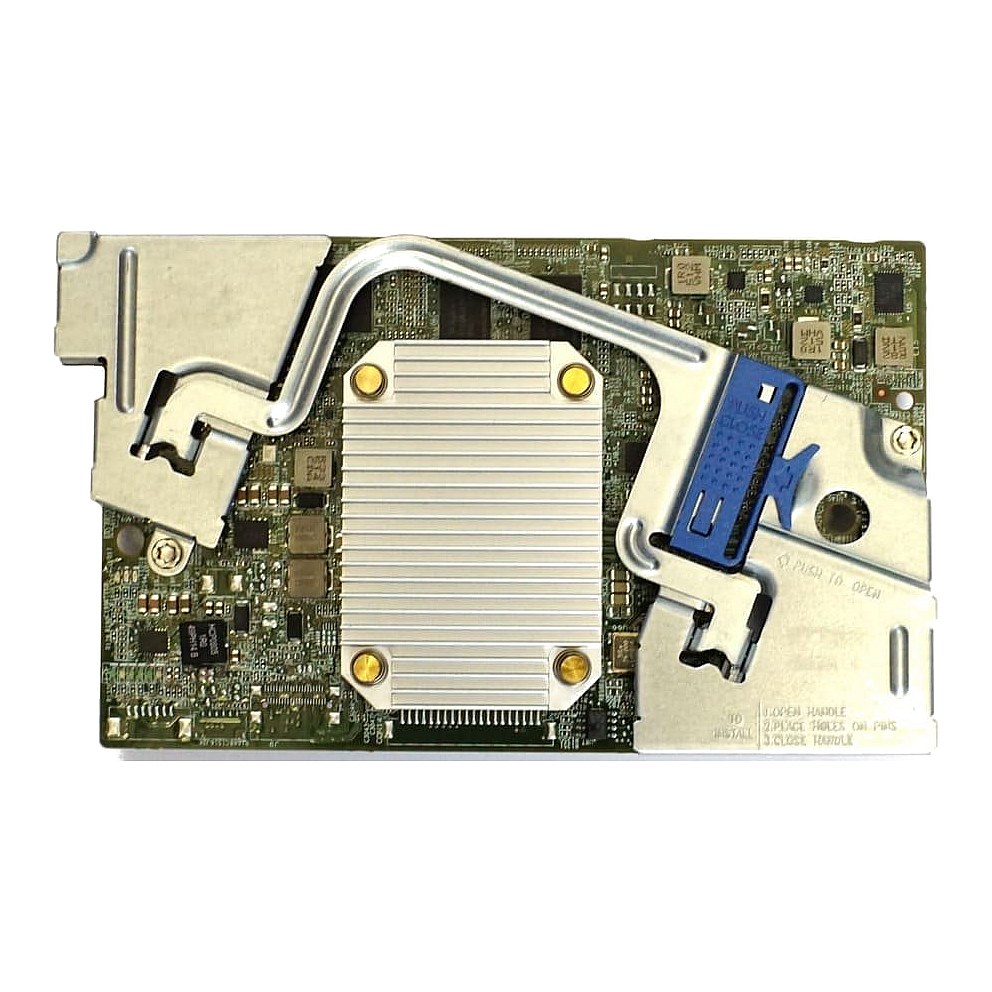
HPE Smart Array P244br/1GB Dual Port PCI Express 3.0 x8 SATA-6Gbps / SAS-12Gbps Flash Backed Write Cache Smart Array RAID Storage Controller for ProLiant Generation 9 Servers Part #:749800-001 / 749682-001 / 761871-B21…
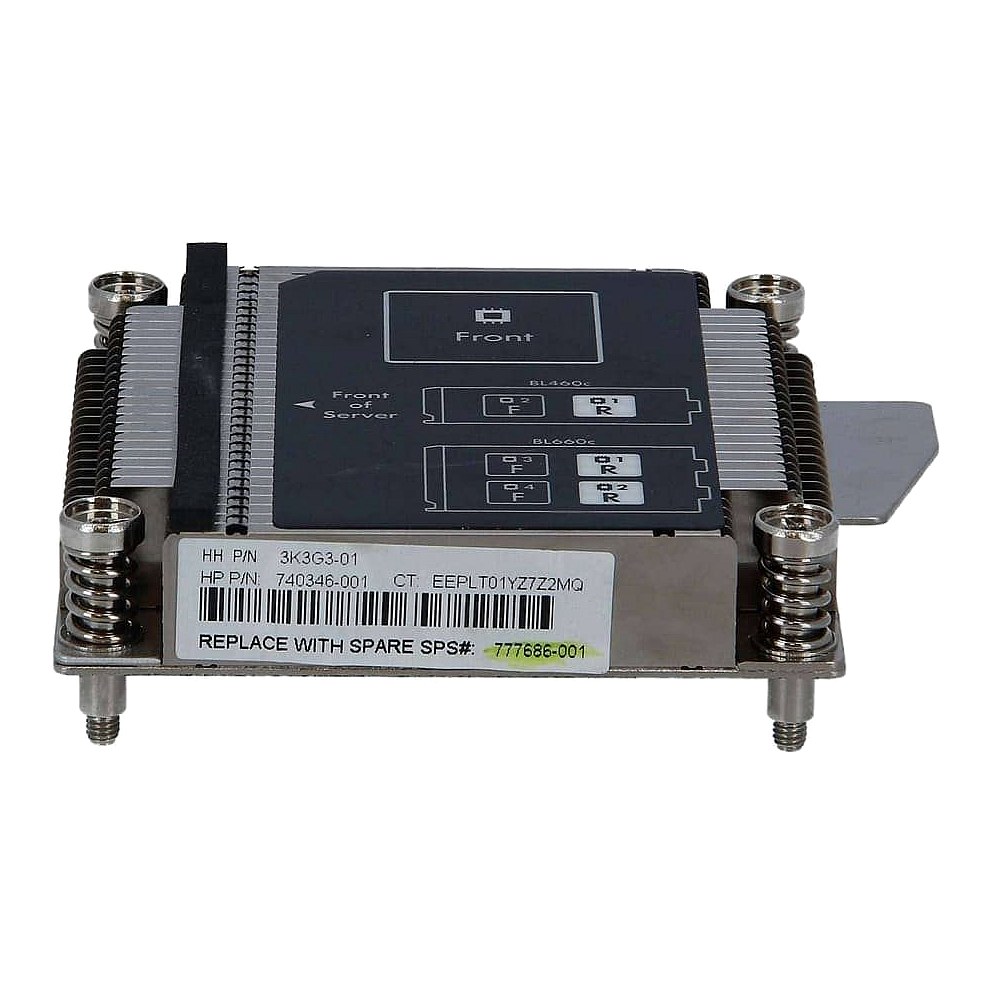
HPE BL460c G9 Standard Processor Heatsink for CPU 2 Part #: 777686-001 / 740346-001. Brand: HPE. Part #: 777686-001. Alt. Part #: 740346-001. Specs:-. :: Type: Heatsink. :: CPU Socket: LGA 2011/Socket R…
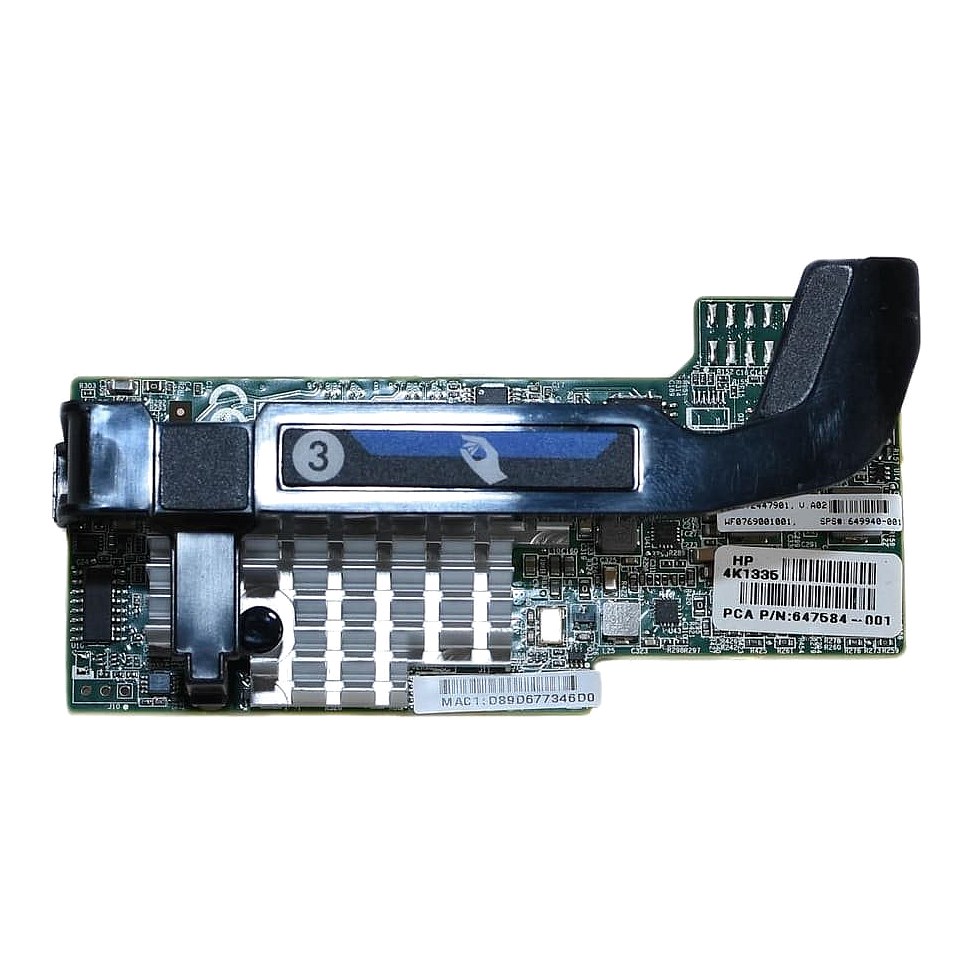
HP 10GB 554FLB 2-Port network adapter for Gen8 Blades Part #: 649940-001 / 647586-B21. Brand: HPE. Part #: 649940-001. Alt. Part #: 647586-B21. Model: 554FLB. Specs:-. :: Type: Ethernet / Network Cards. :: Network…
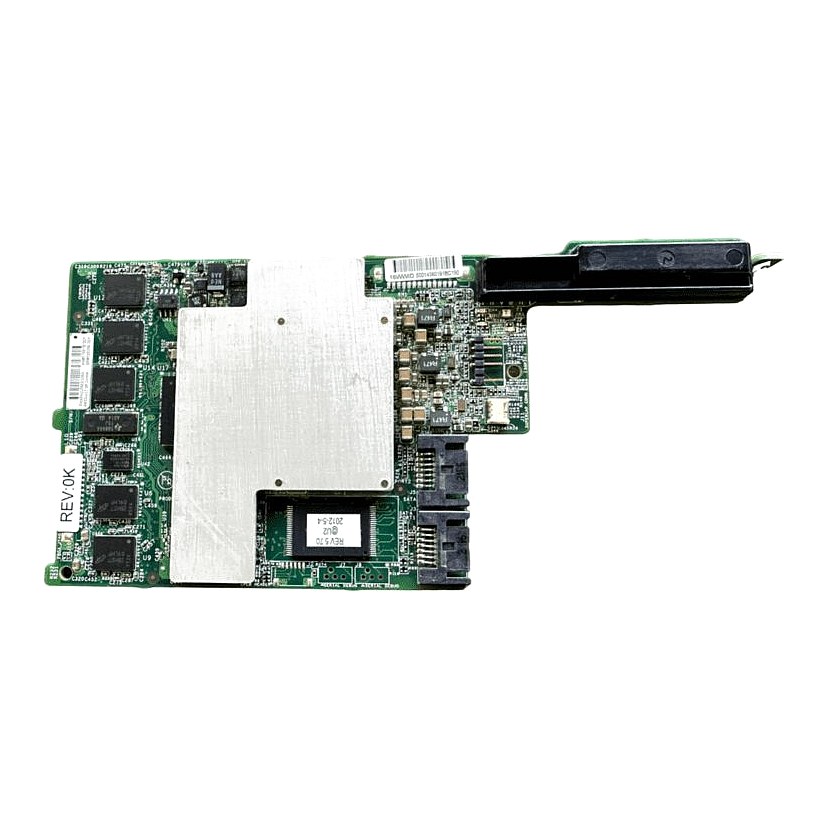
HP Smart Array P410i/1GB FBWC Internal SAS Controller Part #: 588184-B22 / 598256-001. Brand: HP. Part #: 588184-B22. Alt. Part #: 598256-001. Specs:-. :: Type: Blade Server Internal SAS Controller with bridge connector…
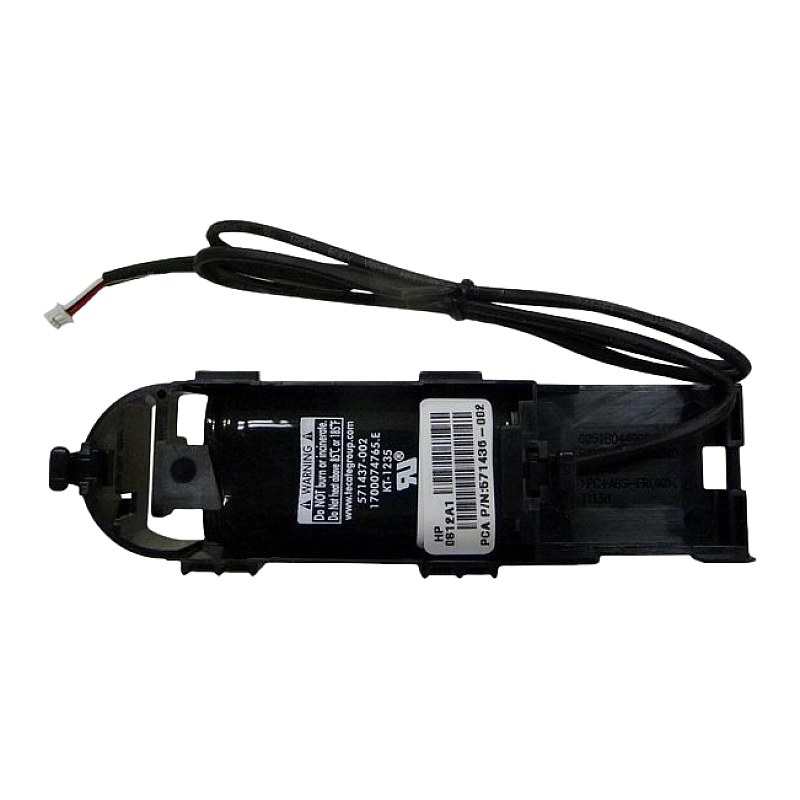
HP Flash Backed Write Cache Capacitor For Smart Array P410i Controller Part #: 571436-003 / 587324-001 / 571436-002. Brand: HP. Part #: 571436-003. Alt. Part #: 4K1165 / 587324-001 / 571436-002. Specs:-. :: Type: Flash…
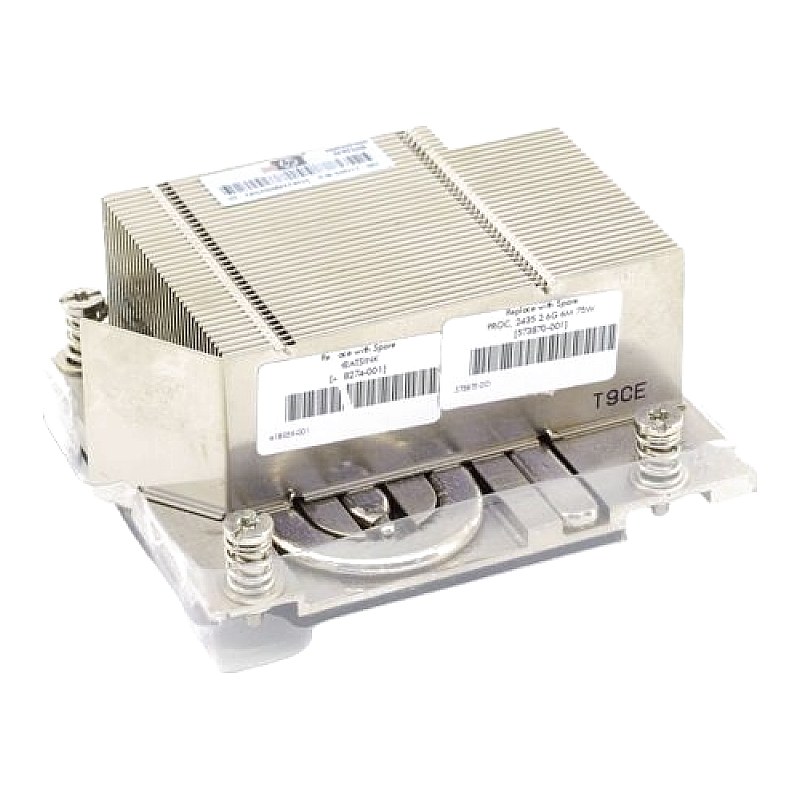
HP CPU Heatsink Assembly for ProLiant BL465c G1/G5/G6 Blade Servers HPN: 418274-001. Brand: HP. Part #: 418274-001,439749-001,410713-006. Specs:-. ModelBL465C G5, BL465C G6. TypeHeatsink. CompatibiltyHP ProLiant BL465C…
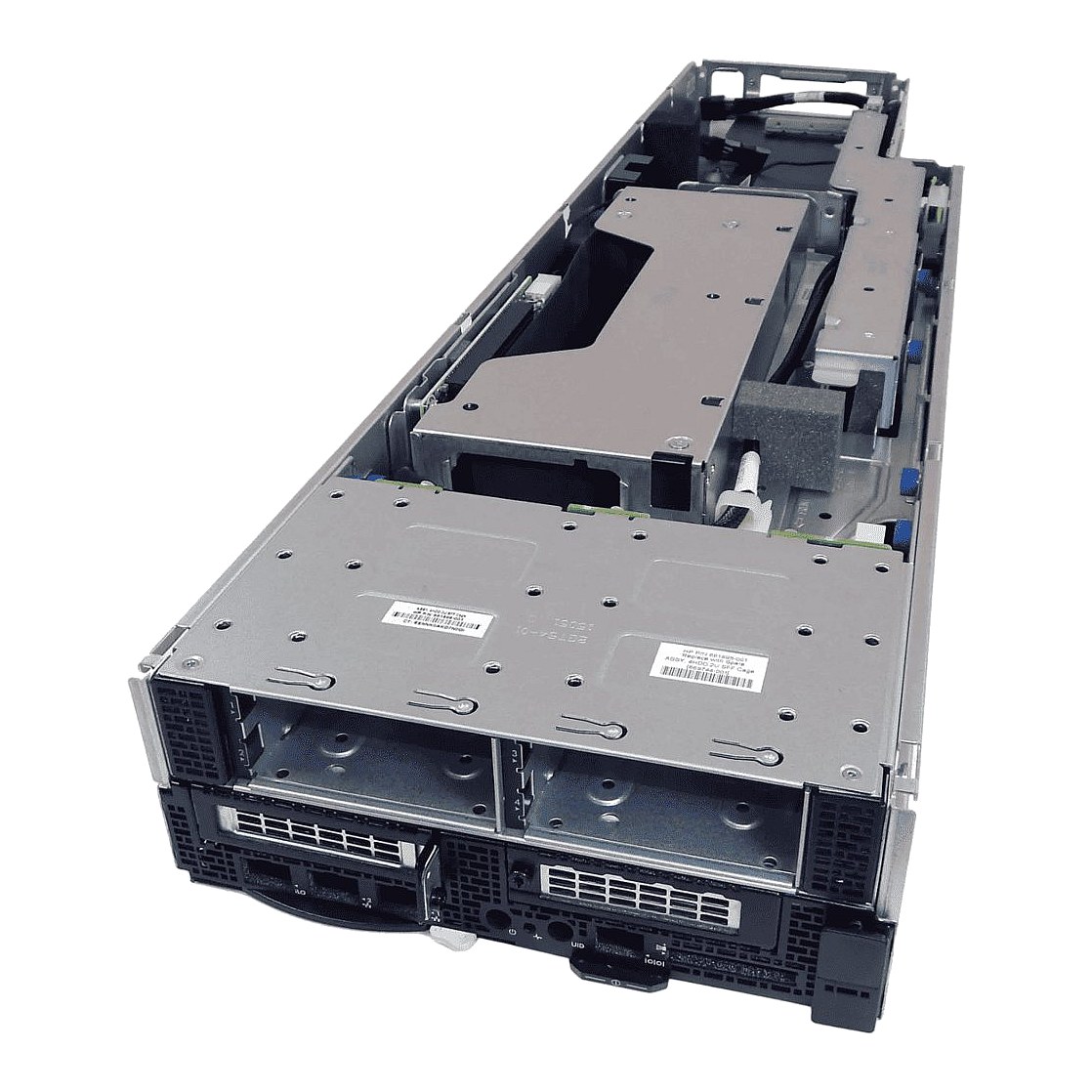
HP IVB Left Tray Node Assembly for ProLiant SL250 G8 Part #: 734484-001. Brand: HP. Part #: 734484-001. Specs: :: Kit: Base HP Tray Node Assembly. :: Compatibility: HP ProLiant SL250 G8 System. :: Condition…
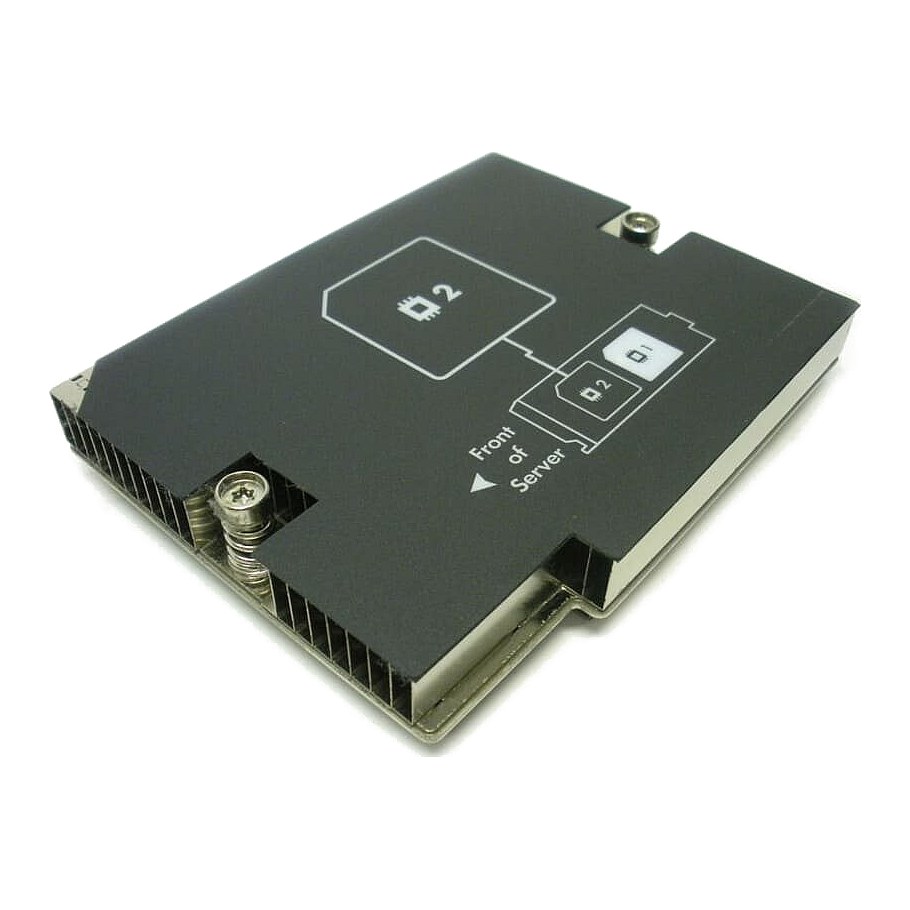
HP ProLiant BL465C G8 Server CPU 2 Heatsink Part #: 672720-001 / 653142-001. Brand: HP. Part #: 672720-001. Alt. Part #: 653142-001. Specs:-. :: Category: Blade Server Spare Options. :: Type: CPU Heatsink. :: Condition…
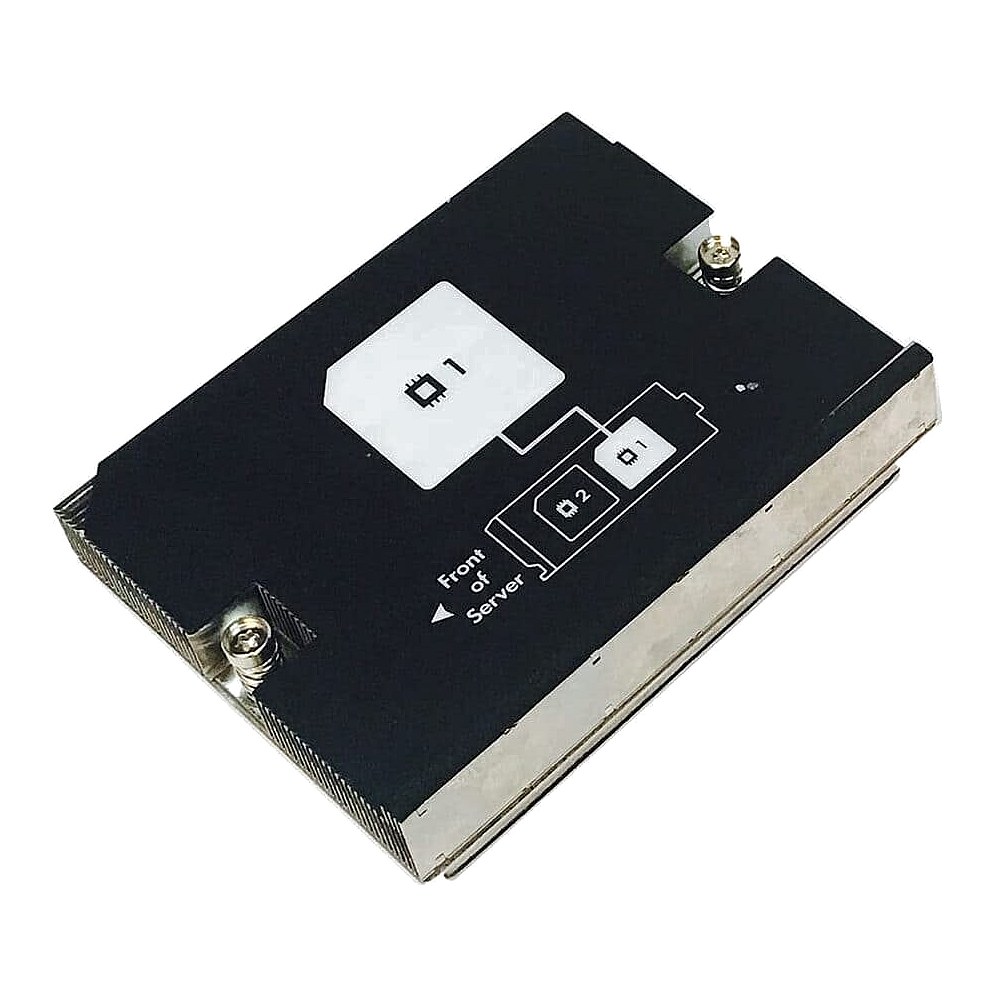
HP BL465c Gen8 HeatSink for CPU #1 Part #: 672721-001. Brand: HP. Part #: 672721-001. Alt. Part #: 672721-001. Specs:-. :: Category: Blade Server Spare Options. :: Type: CPU Heatsink. :: Condition: Refurbished…
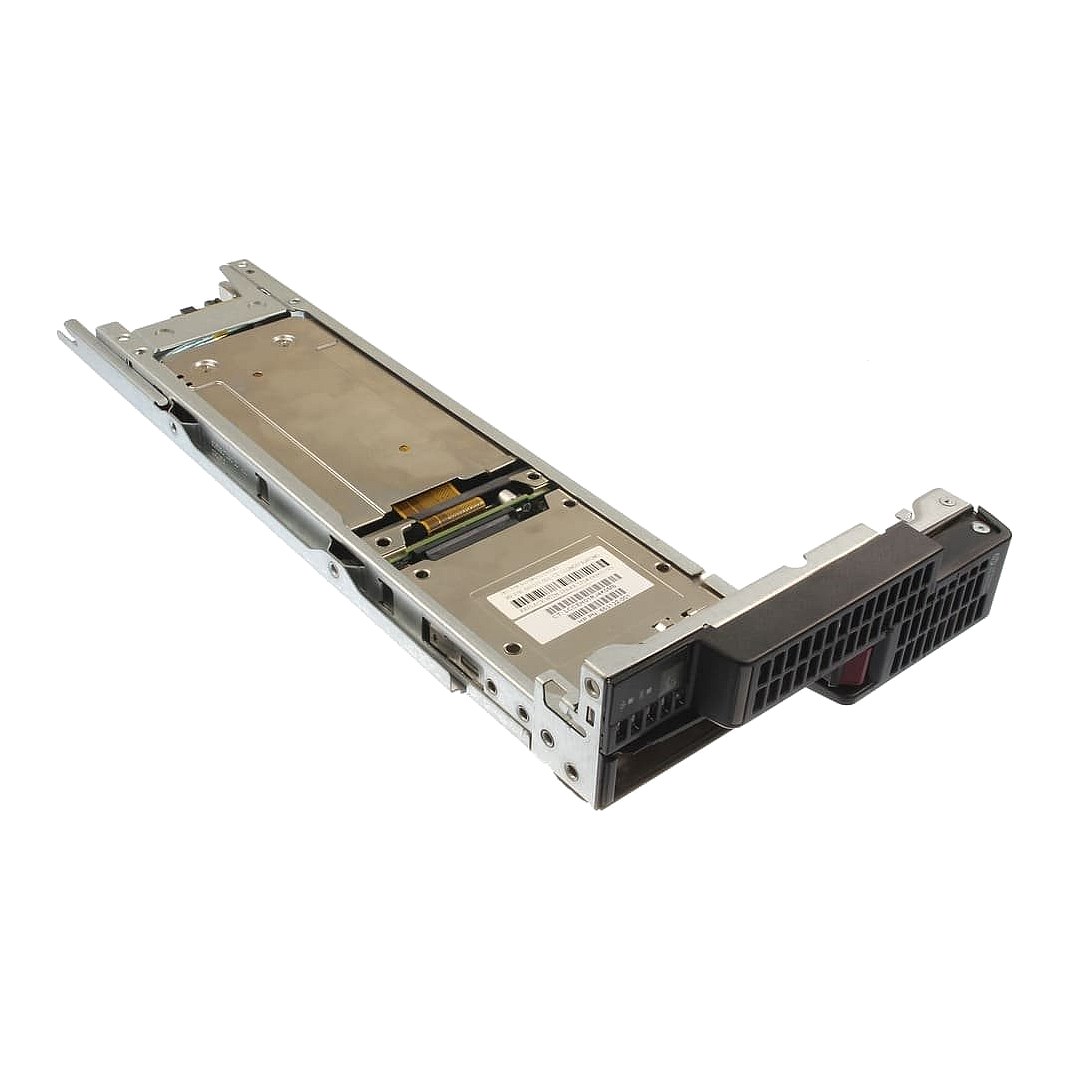
HP ProLiant BL465c G8 2x2.5in SFF Hard Drive Cage with Bezel Part #: 683820-001 / 681077-001. Brand: HPE. Part #: 683820-001. Alt. Part #: 681077-001. Specs:-. :: Category: Blade Server Parts. :: Type: SFF Hard Drive…
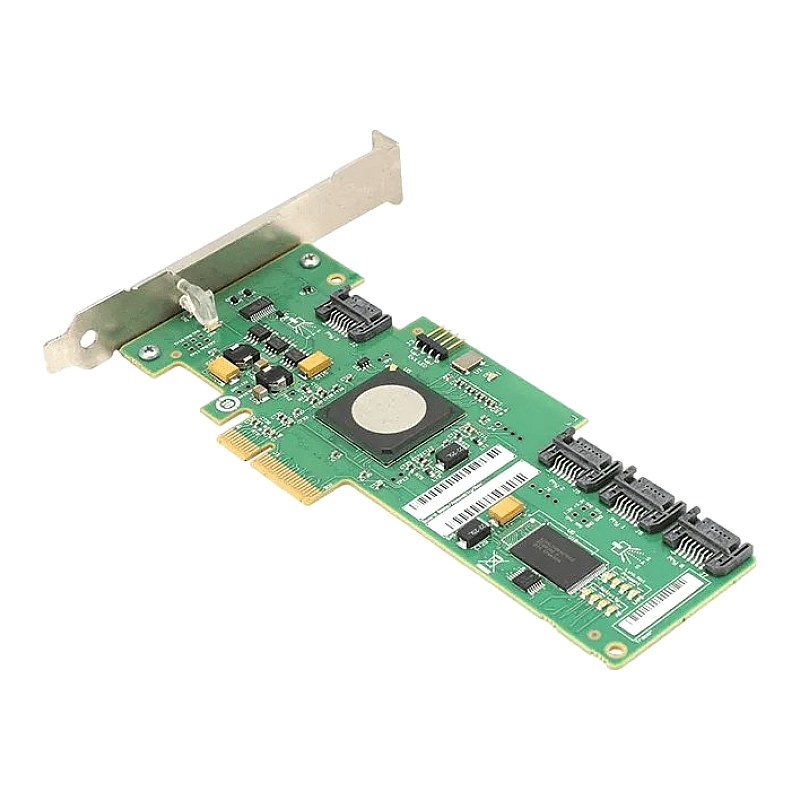
Dell PowerEdge FX2S CMC Management Controller Module Part #: 00RFGR / 0RFGR. Brand: Dell. Part #: 00RFGR. Alt. Part #: 0RFGR. Specs:-. :: Type: Blade Server Replacement Parts. :: Form Factor: Internal. :: Raid Support…
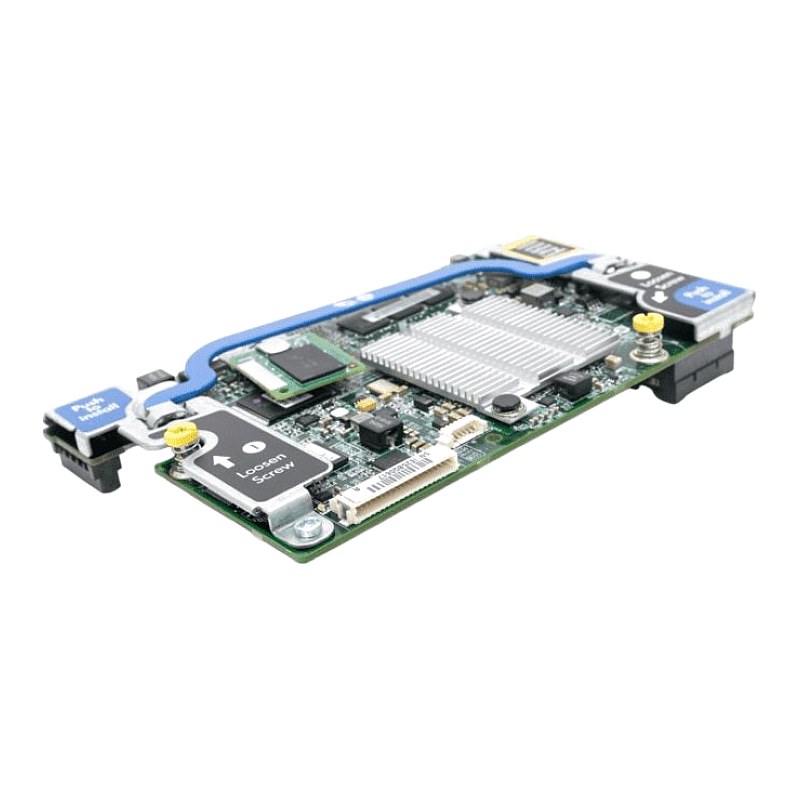
HP ProLiant BL460c Gen8 Smart Array P220i Card (no battery) Part #: 670026-001 / 690164-B21. Brand: HP. Part #: 690164-B21. Alt. Part #: 670026-001. Specs: :: Generation: P220i/512. :: Product Type: Storage Controller…
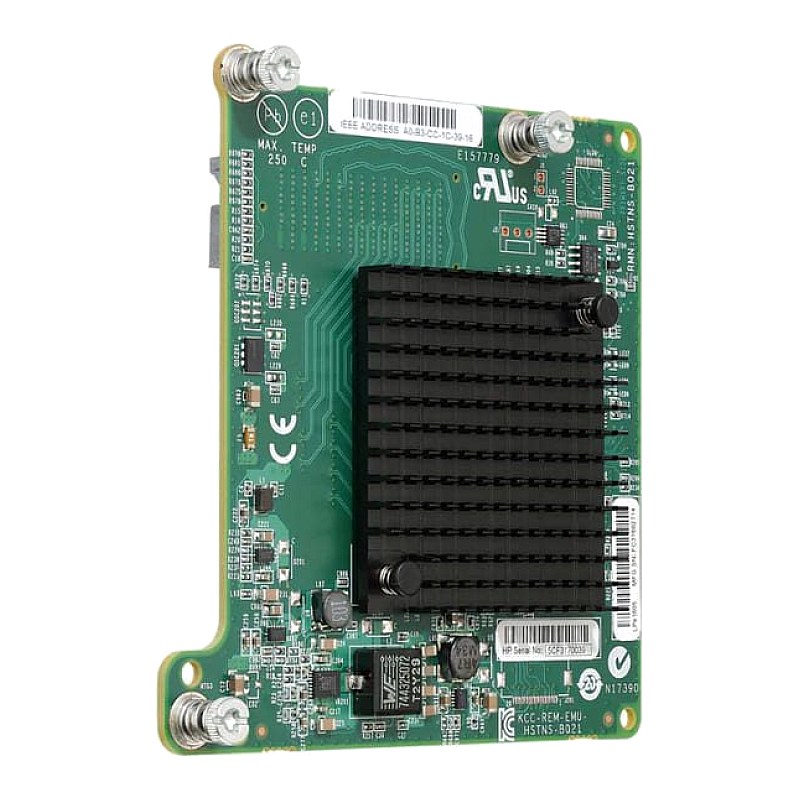
HP Lpe1605 16gb Dual Port Pci-e Fiber Channel Mezzanine Host Bus Adapter Part #: 718577-001. Brand: HPE. Part #: 718577-001. Alt. Part #: 718577-001. Specs:-. :: Device Type: Host Bus Adapter. :: Ports: 16GB Fiber…