
Fibre Cables
For high-bandwidth applications and longer distances, fiber optic cables transmit data using light pulses. They offer superior speed, security, and are immune to electromagnetic interference, making them ideal for high-speed network connections and inter-rack communication. **Fiber Optic Cables:-** A technology that uses glass (or plastic) threads (**fibers**) to transmit data. A **fiber** optic **cable** consists of a bundle of glass threads, each of which is capable of transmitting messages modulated onto light waves. ... **Fiber** optic **cables** have a much greater bandwidth than metal **cables**. For example, Active Optical Cable (AOC) is a cabling technology that accepts same electrical inputs as a traditional copper cable, but uses optical fiber “between the connectors”. AOC uses electrical-to-optical conversion on the cable ends to improve speed and distance performance of the cable without sacrificing compatibility with standard electrical interfaces. Figure 1: The following sample picture shows a 40Gb/s QSFP+ Active Optical Cable Assembly. Take a even closer examination and we can see that the active optical cable (AOC) assembly is actually composed of 4 functional parts. 1. The “High-density QSFP+ connector”. This is the SFF-8436 electronic connector which can be plugged into a router or switch. 2. The “4-Channel full-duplex active optical cable transceiver”. This optical transceiver is embedded inside the shell so you cannot see it. This optical transceiver part is responsible for opto-electro (O-E) and electro-opto (E-O) conversion. 3. The MPO optical connector (the black part). This connector is permanently attached to the shell and fiber. This permanent attachment shields the optical interface from the end user and also from environmental contaminants. 4. The ribbon optical fiber cable (this picture shows a yellow jacket single mode fiber, but multimode fiber models are also available). The above product has four single mode fiber optic transc
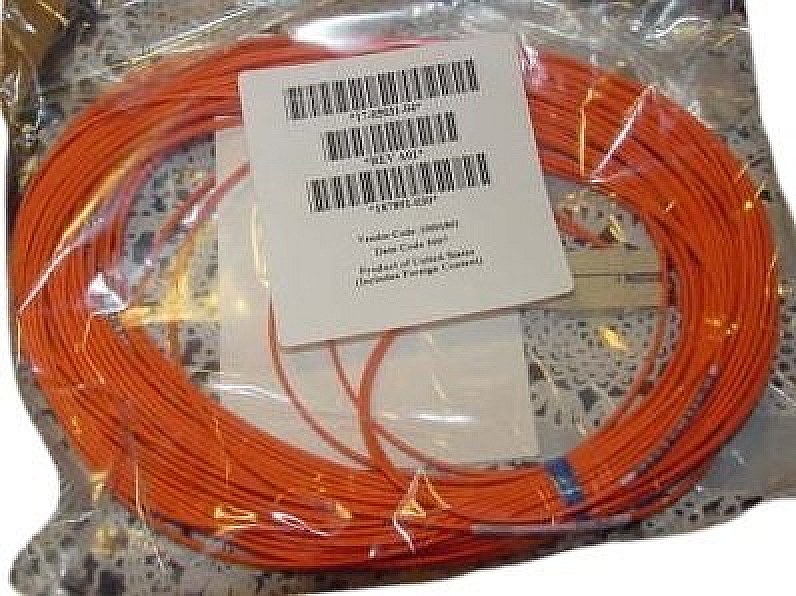
HP 4M SB Cable Premier Flex LC to LC OM4 HPN: H6Z34A ,741207-001, 741207-002. Brand: HP. Part #: H6Z34A,741207-001,741207-002. Specs:-. :: Type: Storage OM4 Fibre cable. :: Description: Premier flex LC LSZH 50/125u OM…
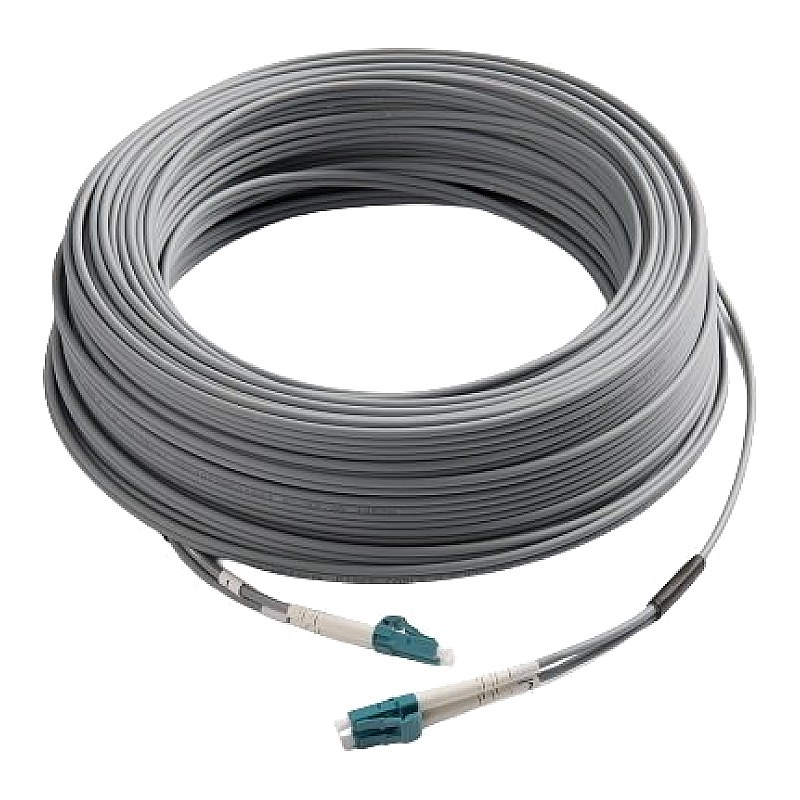
Fujitsu FC50M LC/LC 16Gbit Multi-Mode (M) 50/125 Micron D:FCKAB-OM4-C50L-L Cable Part #: T26139-Y4000-V350. Brand: Fujitsu. Part #: T26139-Y4000-V350. Specs:-. :: Type: Fibre Cables. :: Connector 1: LC. :: Connector 2…
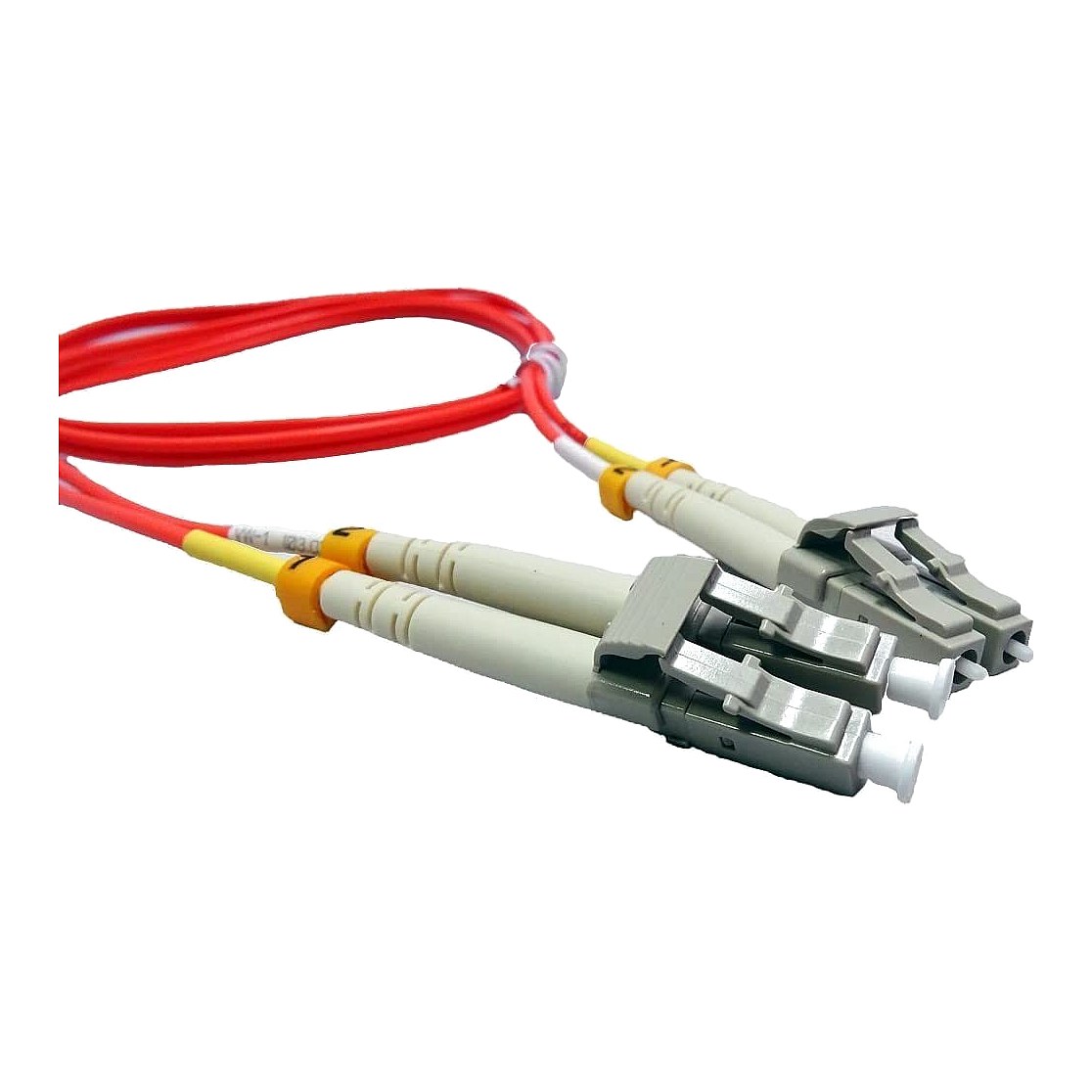
1 Meter Multimode Duplex Fiber Optic Cable (62.5/125) - LC to LC - Orange Colour. :: Brand: Custom. :: Part #: 1M-LC-TO-LC CABLE. :: Condition: New. :: Warranty: 1 (one) year Tekmart warranty. Key points to note on…
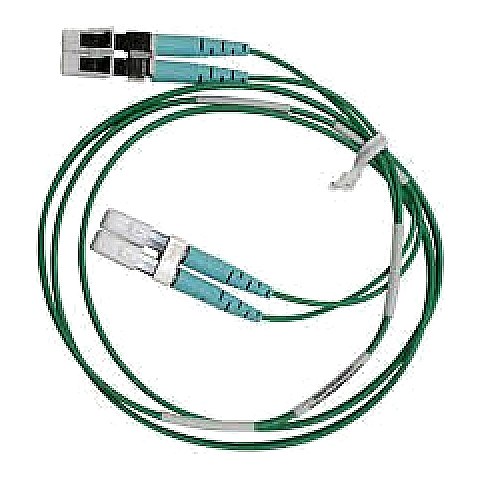
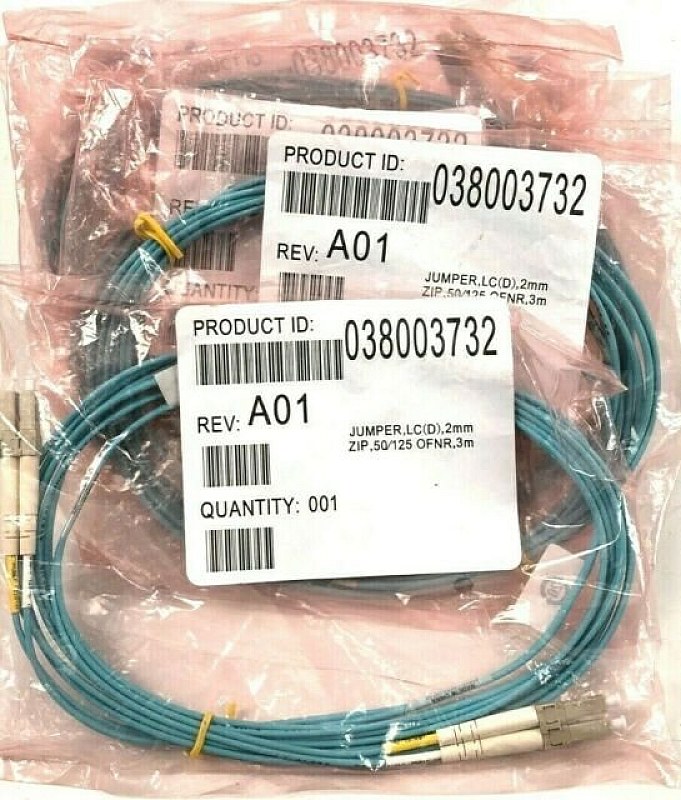
EMC 3 Meter OM3 LC to LC 50 m optical Cable Part #: 038-003-732. Brand: EMC. Part #: 038-003-732,11849-1910-4129. Specs:-. Type: Fiber Optic Cables. Connectors: LC to LC. Length: 3M. Condition: New. Warranty: 1 (one)…
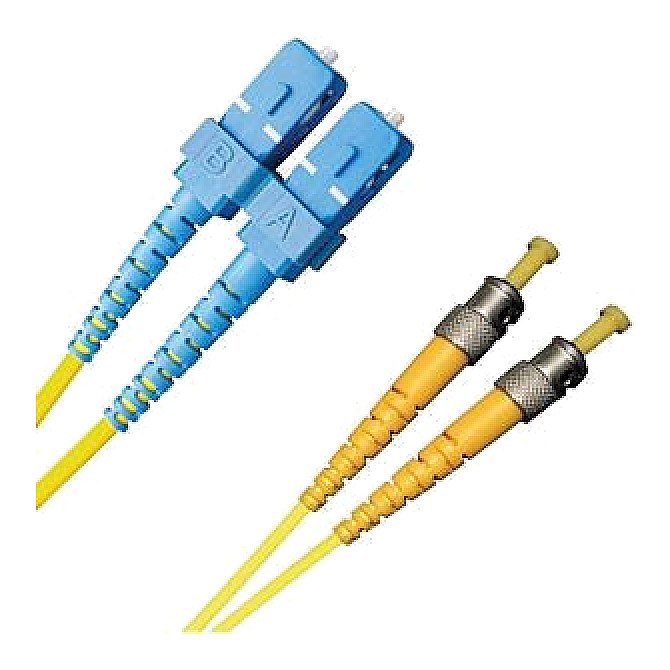
Fiber Optic cable 9/125 um OS1 Duplex 2 m Yellow, AFL Hyperscale Part #: SCST09DYE2. Brand: Generic. Part #: SCST09DYE2. Specs:-. Type: Fibre Optic Cables. Fiber optic connector type: SC, ST. Optical fiber type: Single…
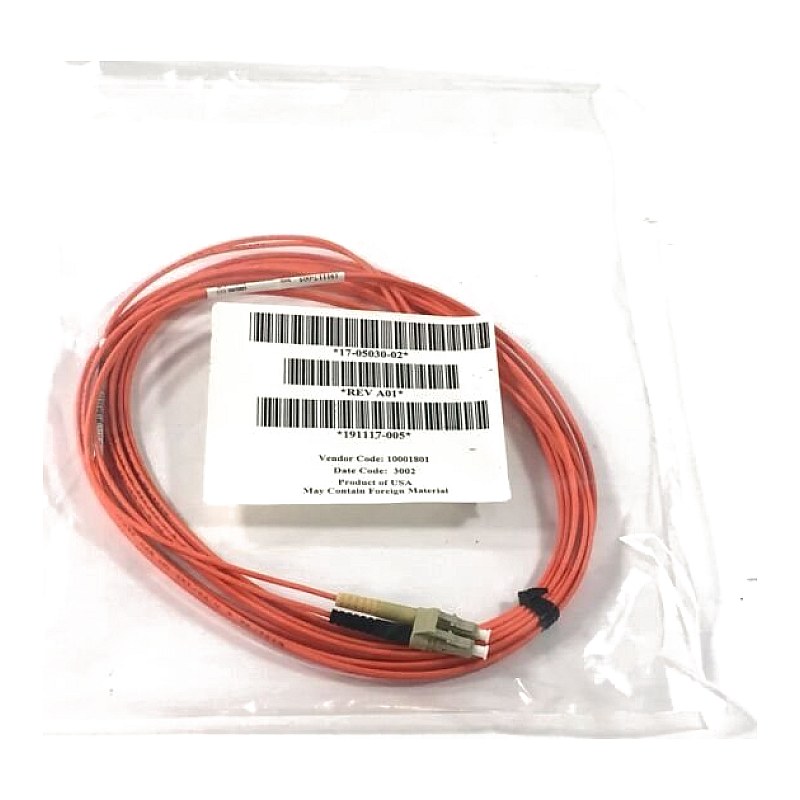
HP 5m Fiber-Optic Short Wave Multimode Interface Cable 50um Core 125um Cladding HPN: 263895-003. Brand: HP. Part #: 263895-003,191117-005, AF551ASpecs:-. Cable Type Fiber Optic. Fiber Optic Mode Multi-mode…
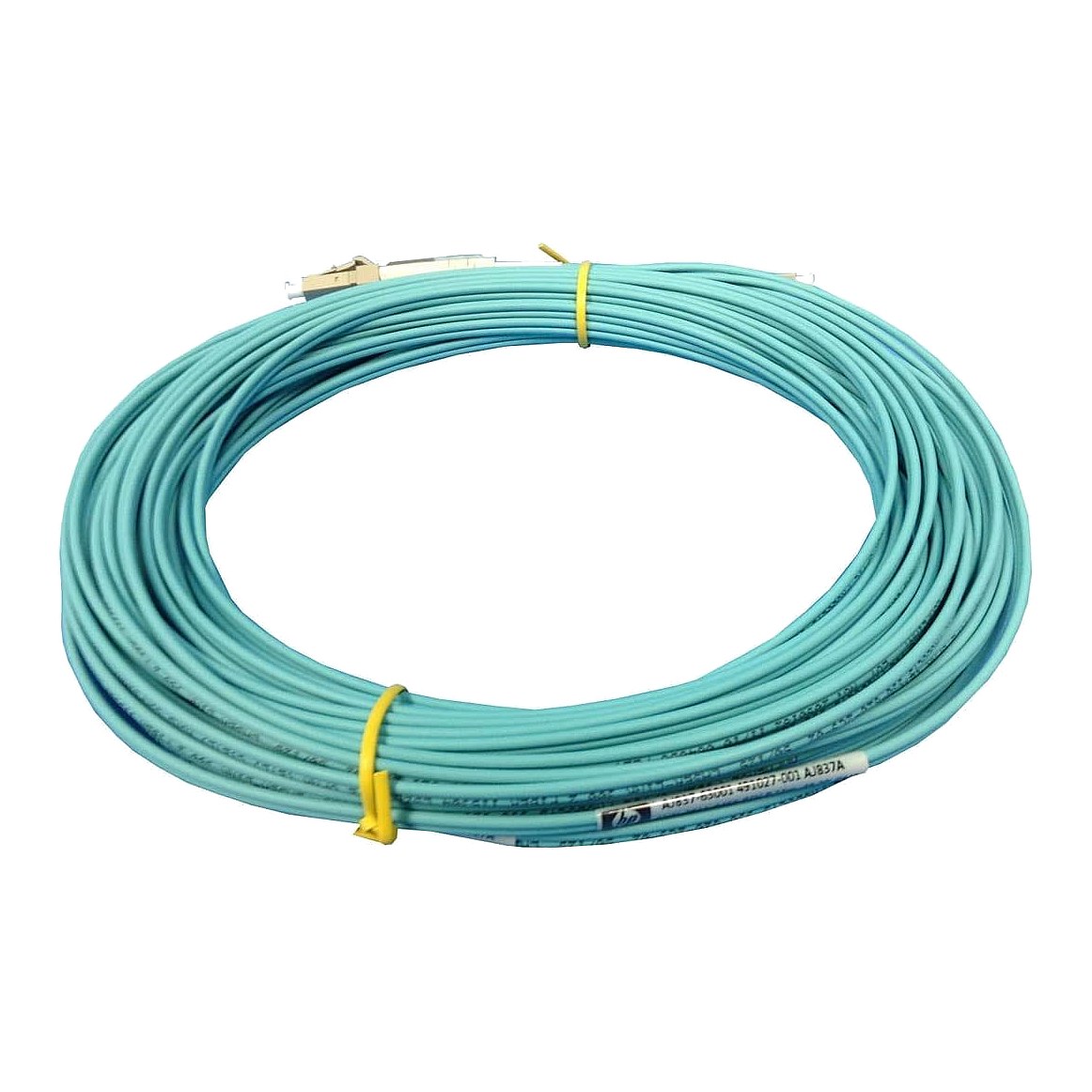
HP 15M LC/LC OM3 10GB FC Cable HPN: 491027-001,AJ837A, AJ837-63002. Brand: HP. Part #: AJ837-63002. Alt. Part #: 491027-001, 003313-0535, AJ837A. Specs:-. Type: Fiber Channel Cable. Connectors: LC to LC. Length: 15M…
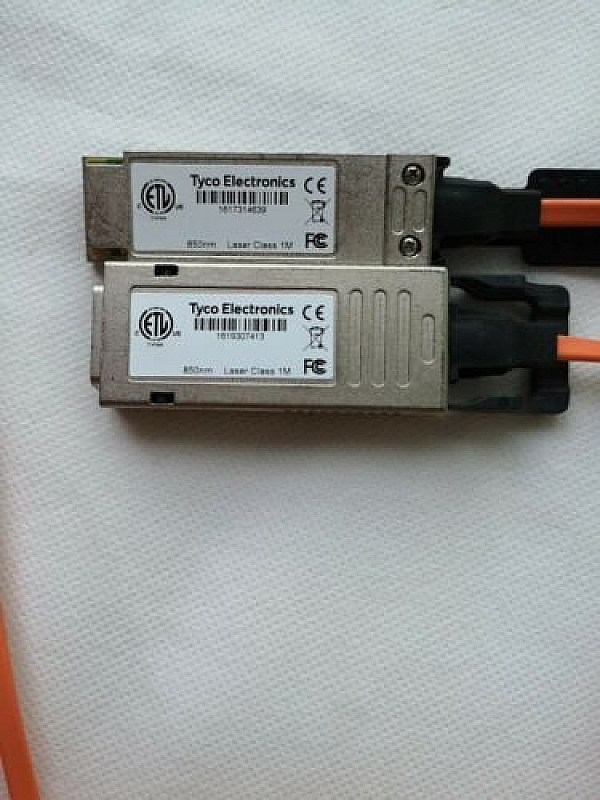
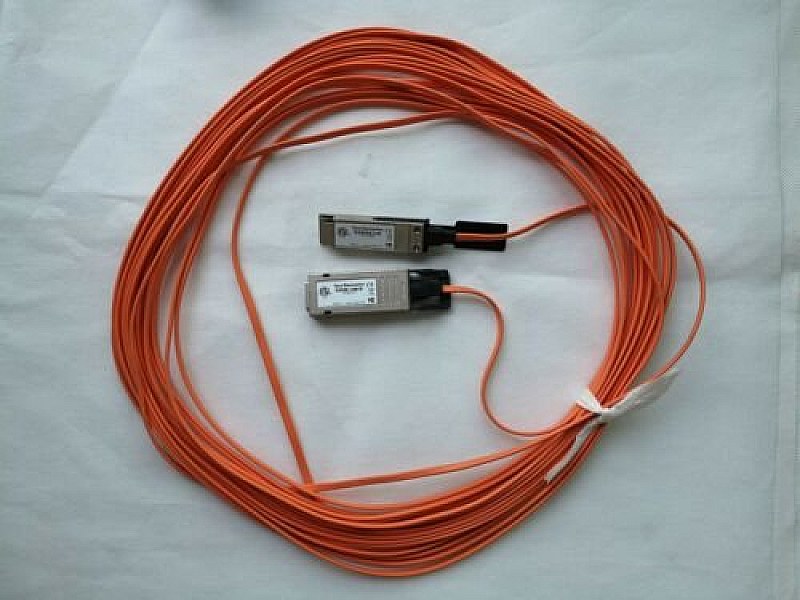
Tyco Electronics 5G X-O Active Optical Cable-15m - OFNP CX4 TO QSFP Part #: ZL60625MLDF. Brand: Tyco. Part #: ZL60625MLDF. Specs:-. Type: Fibre Cable. Connectors: OFNP CX4 TO QSFP. Length: 15M. Condition: New. Warranty…
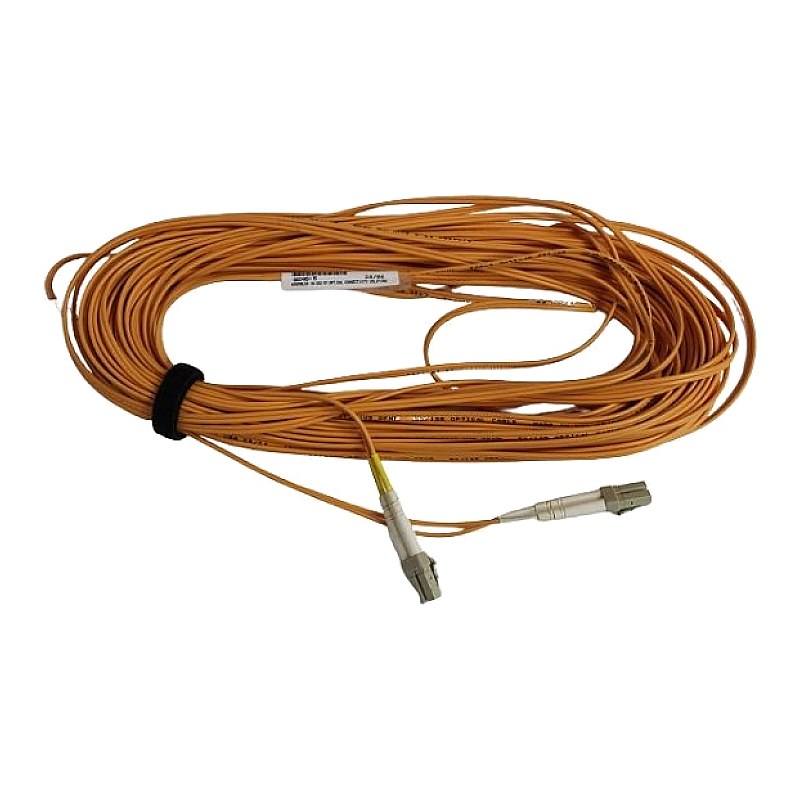
IBM 5M LC-LC FIBERCABLE FRUs:19K1252 19K1263. Brand: IBM. Part #: 19K1263, 19K1252. Specs:-. Type: Fiber Cable. Mode: LC-LC. Length: 5M. Condition: New. Warranty: 1 (one) year Tekmart warranty
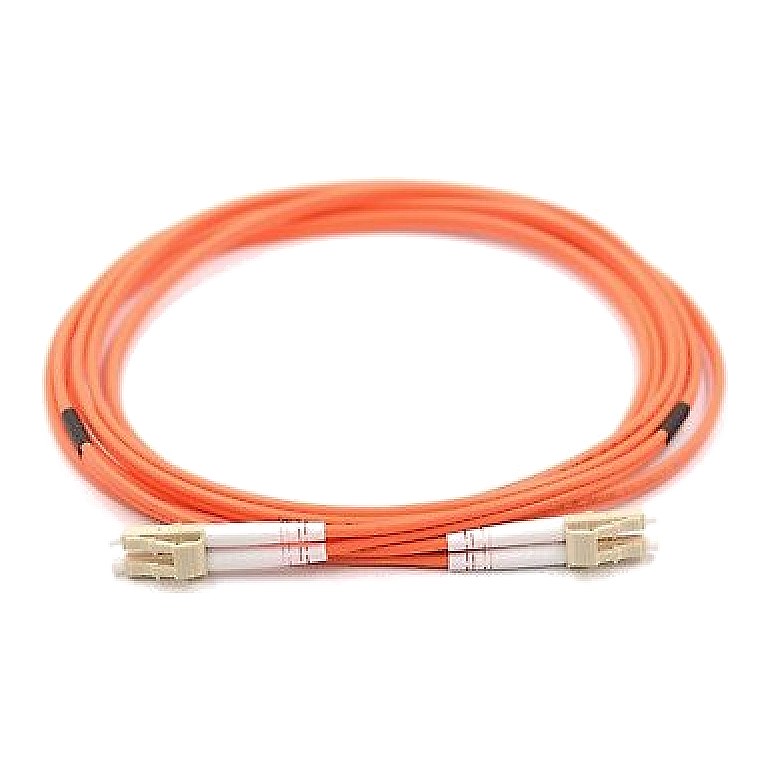
NetApp 15m OM4 LC-LC Multi-Mode AFF-A200A Cable. Brand: NetApp. Part #: X66250-15, AFF-A200A. Specs:-. Network Cable Type: Network cable. Length: 15M. Technology :Fiber optic. Type of Fiber Optics :Multimode. Left…
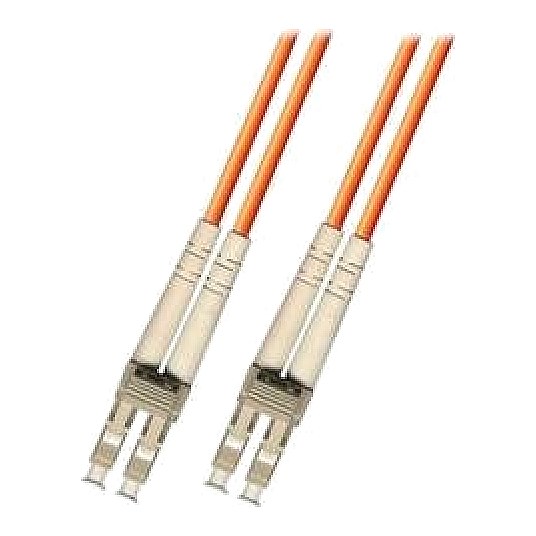
5M LC-LC Multimode Optical Fibre Cable (Kit)-Part #: 470-10645. Brand: Dell. Part #: 470-10645. Specs:-. Connector 1: male. Connector 2: male. Length: 5m. Compatibility: EMC HBA Emulex. QLA FC2. FC4. 16 Port Brocade FC2…
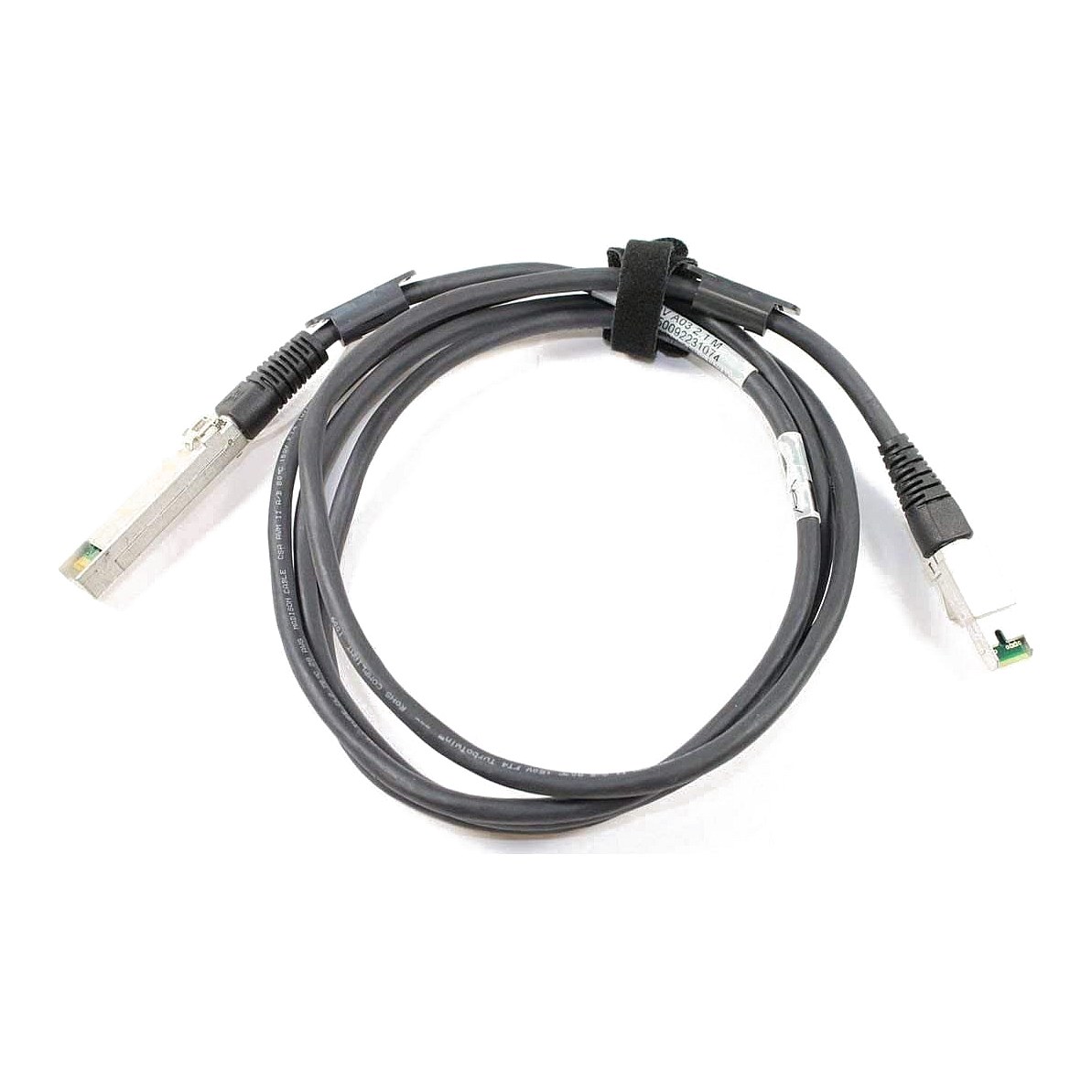
EMC 2.1M SFP To HSSDC2 4GB Fiber Channel Cable 038-003-503. Brand: EMC. EMC 038-003-503 Rev A03 2.1m SFP To HSSDC2 4Gb Fibre Channel Cable. Part Number: 038-003-503 100-520-441. Specs:-. Designed for: For Vmax. Length…
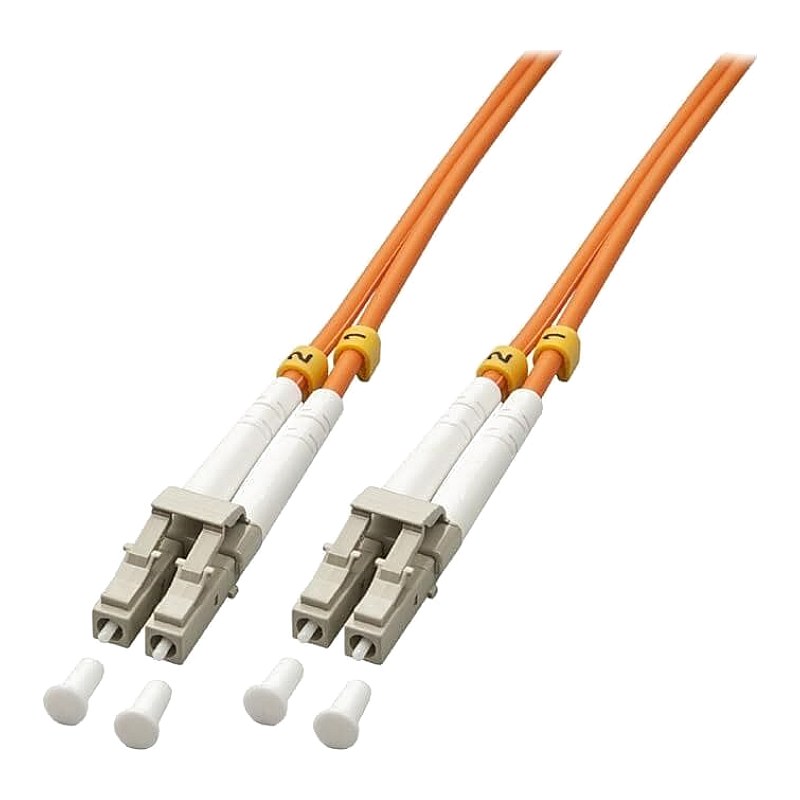
HP Premier Flex LC/LC Multi-Mode OM4 2 Fiber 2M Cable Part #: QK733A. Brand: HP. Part #: QK733A. Alt. Part #: QK733A. Specs:-. :: Cable Technology: Fiber Optic. :: Right Connector Type: Male (LC). :: Left Connector…
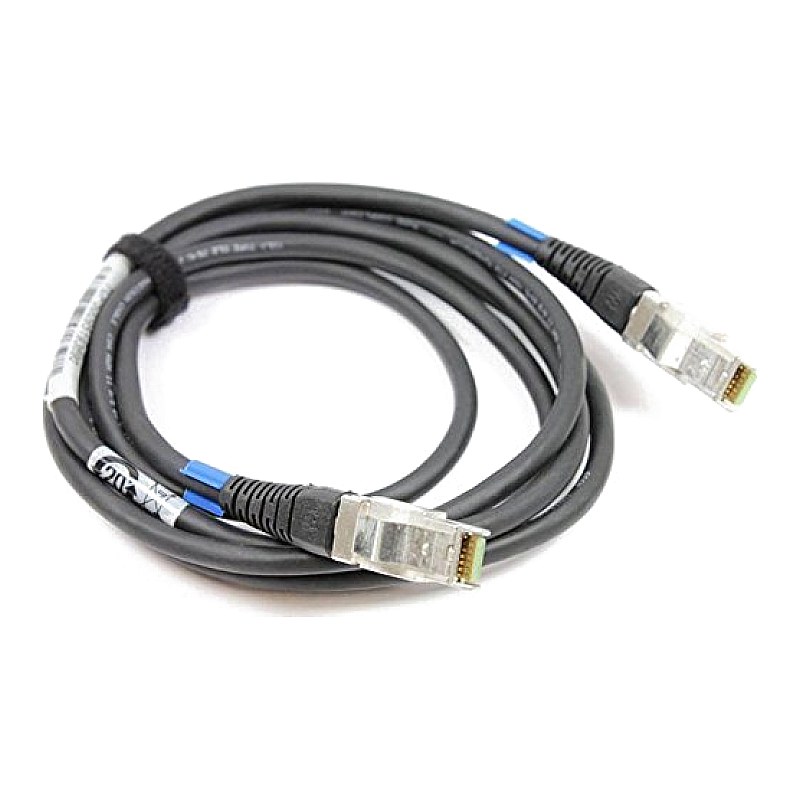
EMC 2M HSSDC2 to HSSDC2 SFP Fiber Channel Optical Network Cable Part #: 038-003-509. Brand: EMC. EMC Part #: 038-003-509. Length: 2M. Condition: New. Warranty: 1 (one) Tekmart warranty. Key points to note on this Dell /…
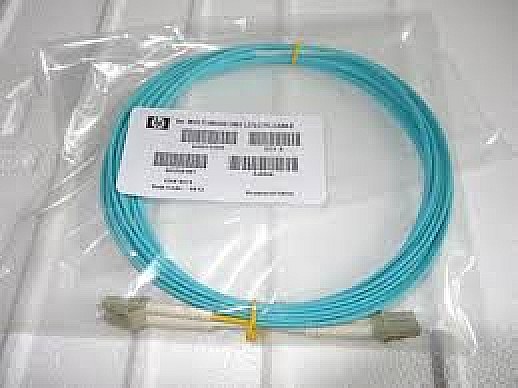
HP 5M LC/LC OM3 Fibre Cable HPN: AJ836A ,491026-001, AJ836-60001. This is a genuine HP 5M LC/LC OM3 Fibre Cable. Brand: HP. HP PN: AJ836A. Specs:-. :: Type: Fibre Channel Cable. :: Length: 5M. :: Replaces HP Pns…