
IBM Power Servers Drives
Power Systems is a family of server computers from IBM that are based on its POWER processors. These accelerated computing servers are built for modern analytics, high-performance computing HPC, and Artificial intelligence. > **IBM had two distinct POWER- and PowerPC-based hardware lines since the early 1990s:** > **:: Servers running processors based on the IBM PowerPC-AS architecture in the AS/400 family (later known as iSeries, then System i), running OS/400 (later known as i5/OS, and now IBM i)** > **:: Servers and workstations using IBM POWER and PowerPC microprocessors in the RS/6000 family (later known as pSeries, then System p), running IBM AIX and Linux.** When looking at the type of data storage hardware used with IBM i, the most common options generally include hard disk drives, flash, and solid-state drives. SSDs can provide numerous advantages over traditional HDDs, namely in the area of computing performance. IBM explored this topic in multiple white papers and articles, observing that SSDs are capable of delivering notably better input/output performance. Capable of driving tens of thousands of I/O operations per second (IOPS), as opposed to hundreds for HDDs, SSDs breakthrough performance bottlenecks of I/O-bound applications. Applications that require dozens and dozens of ‘extra’ HDDs for performance can meet their I/O performance requirements with far fewer SSDs, resulting in energy, space, and cost savings. The technology behind solid state drives has been around for more than 30 years at this point, but the cost of such storage devices was historically restrictive to widespread adoption. However, recent advancements have made SSDs particularly beneficial for use with applications running in an IBM i operating system environment. Since SSDs do not have to power spinning platters or moving arms the overall watts/hour needed to power an SSD is significantly less than that of a typical 3.5-inch HDD **Figure 1: A sample representation of an IBM
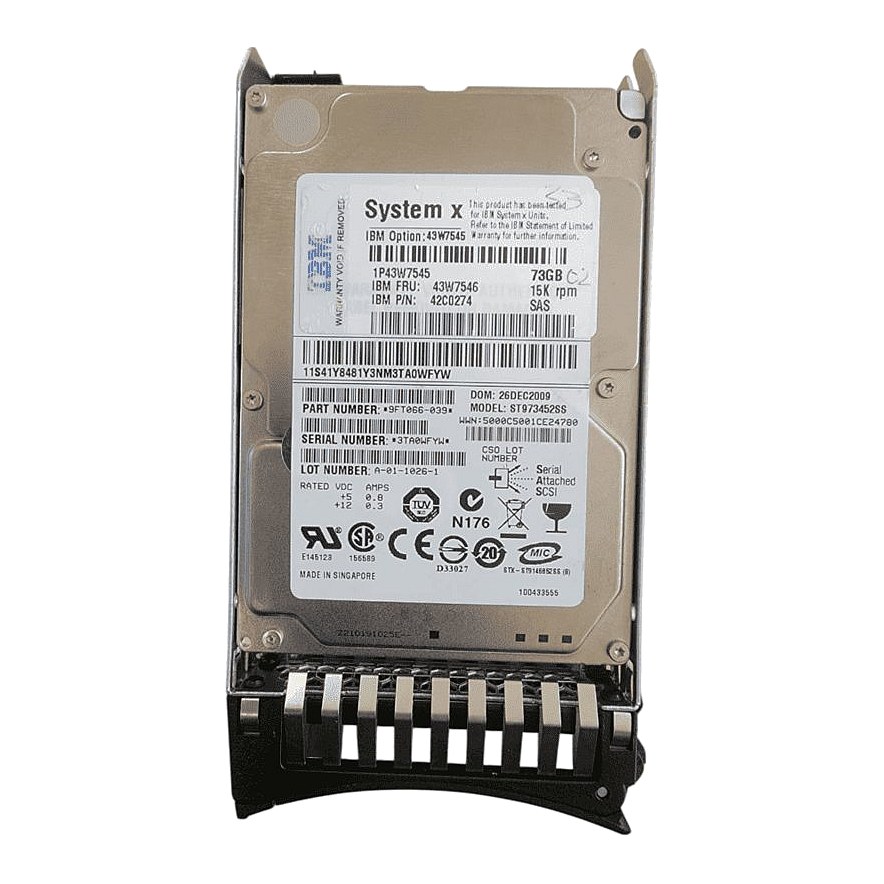
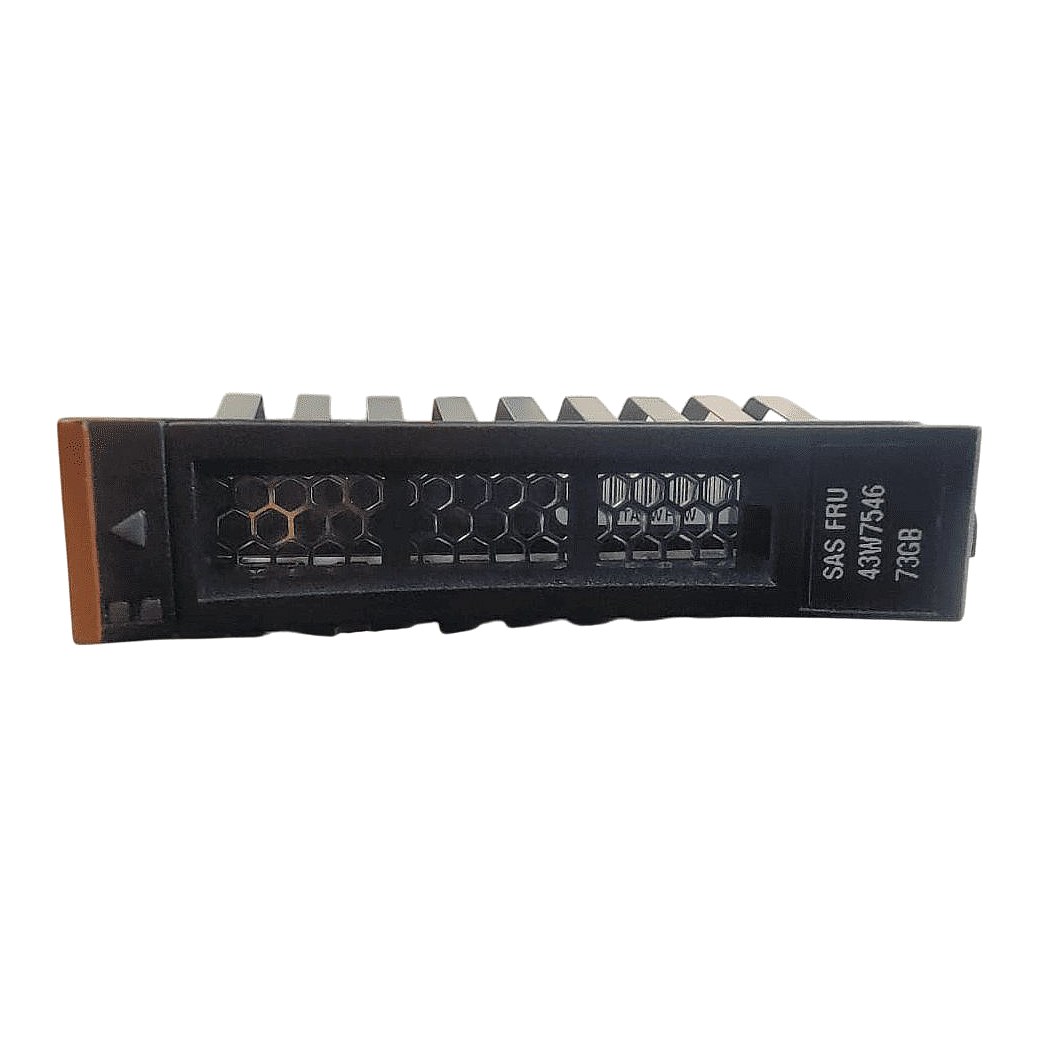
IBM 73GB 3G 15K 2.5in Slim HS SAS Hard Drive Part #: 43W7546 / 42C0274 / 43W7545 / 9FT066-039 / ST973452SS. Brand: IBM. Part #: 43W7546. Alt. Part #: 42C0274 / 43W7545 / 9FT066-039. Model #: ST973452SS. Specs…

IBM 775GB eMLC SAS 12Gbps (528-bytes) 2.5in Internal Solid State Drive (SSD) for AIX Linux Part #: 00E8671 / 00LY168 / 00E8667 / 59EA-00E8671. Brand: IBM. Part #: 00E8671. Alt. Part #: 00LY168 / EL13 / ES0N / ES0P /…
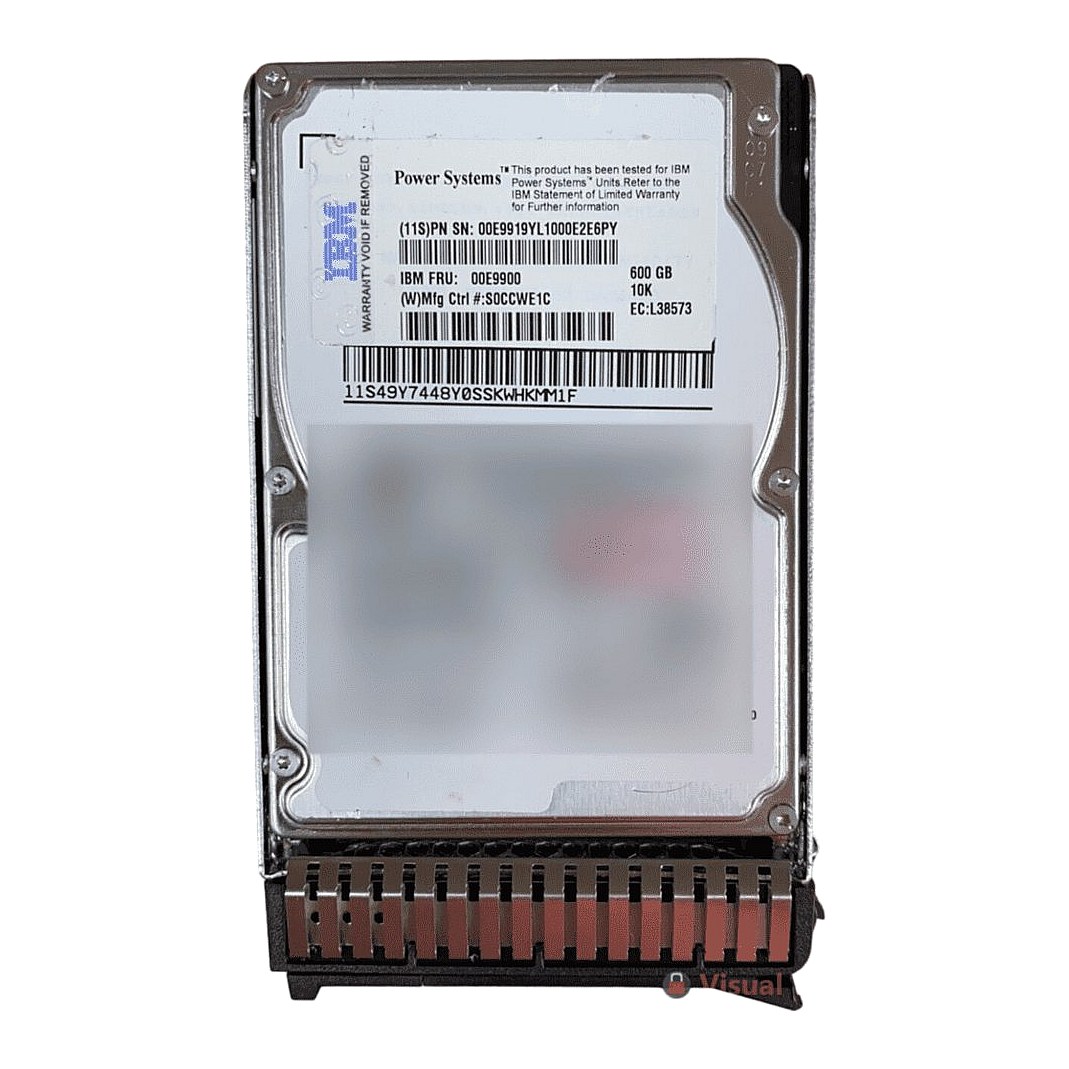
IBM Power 8/9 Systems ESD5 600GB 10K RPM SAS SFF-3 HDD (AIX/Linux) Part #: 00E9900 / 00LY236 / 00E9919 / 00E9919 / ESD5 / ESD5-82xx. Brand: IBM. Part #: 00E9900. Alt. Part #: 00LY236 / 00E9919 / 00E9919 / ESD5 /…
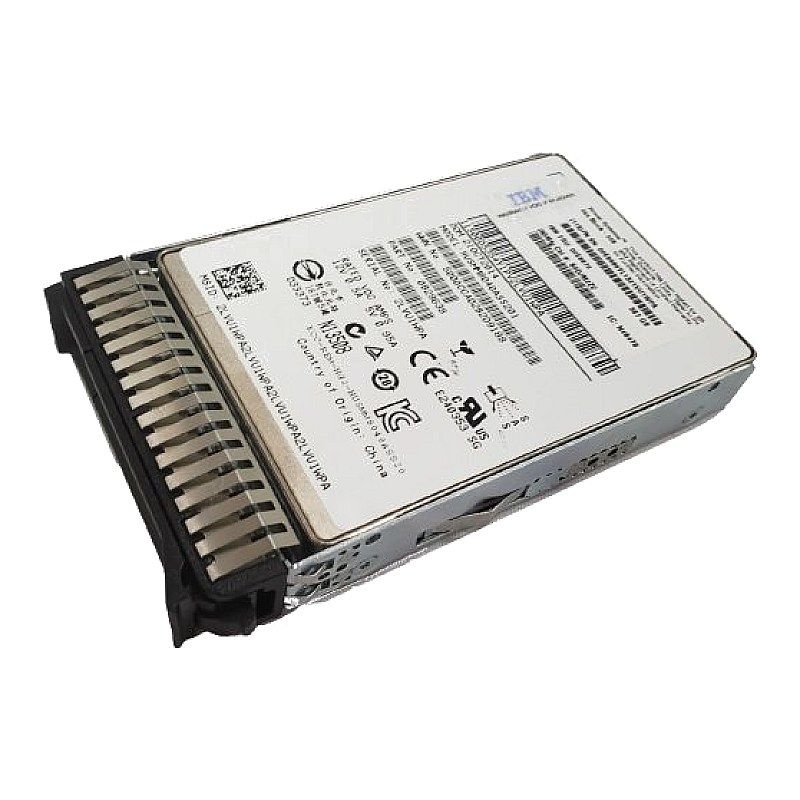
IBM Power8/9 5B13 ESGE 387GB Enterprise SAS 4k HDD Part #: 00LY333 / 00LY316 / 00LY333 / 00VN208. Brand: IBM. Part #: 00LY333. Alt. Part #: 00LY316 / 00LY333 / 00VN208. Specs:-. ::: Capacity: 387GB. :: Interface: SAS…
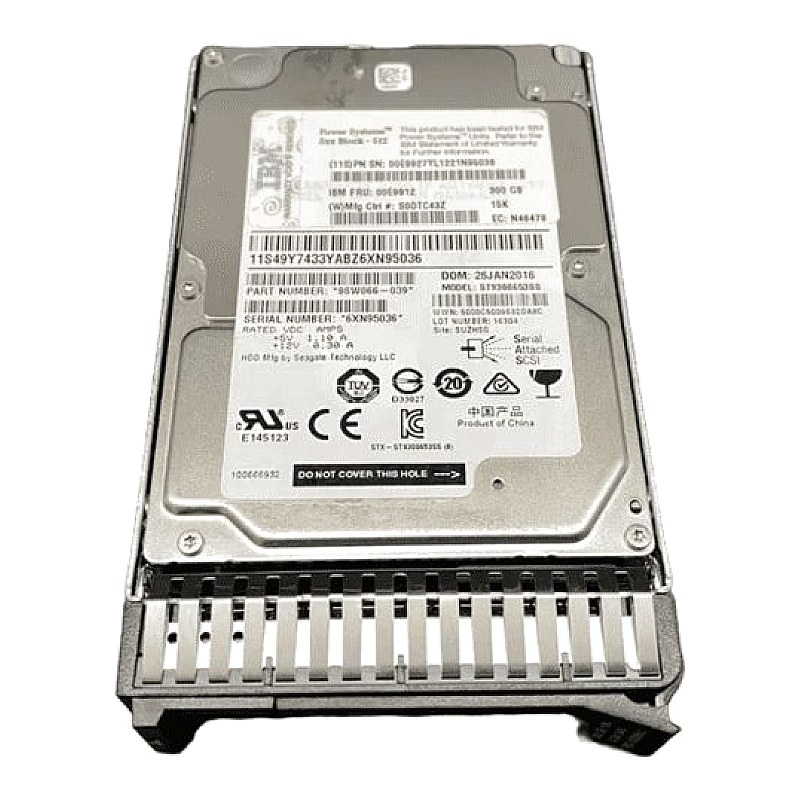
IBM ESDB IBM 300Gb 15K SAS SFF-3 AIX Linux 59E0 2.5 Disk Drive Part #: 00FJ015 / 00E9909 / 00E9912. Brand: IBM. Part #: 00FJ015. Alt. Part #: 00E9909 / 00E9912. Specs:-. :: Type: IBM Power 8 Systems. :: Capacity: 300GB…
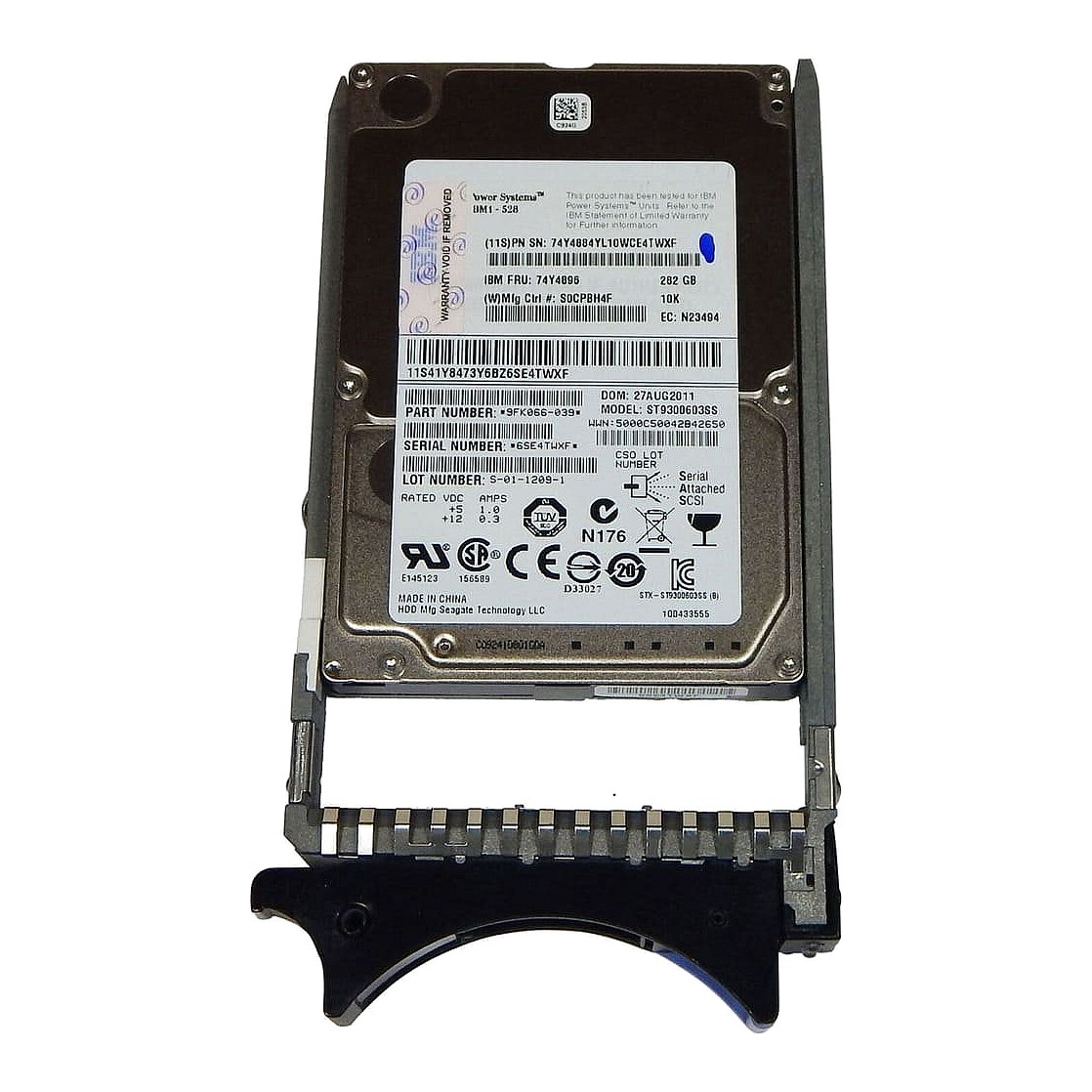
IBM Power System 283GB 10K SFF-1 2.5in SAS Hard Drive Part #: 74Y9258 / 00E6164. Brand: IBM. Part #: 74Y9258. Alt. Part #: 00E6164. Specs:-. :: Capacity: 283GB. :: RPM: 10,000 RPM. :: Interface: Serial Attached SCSI…
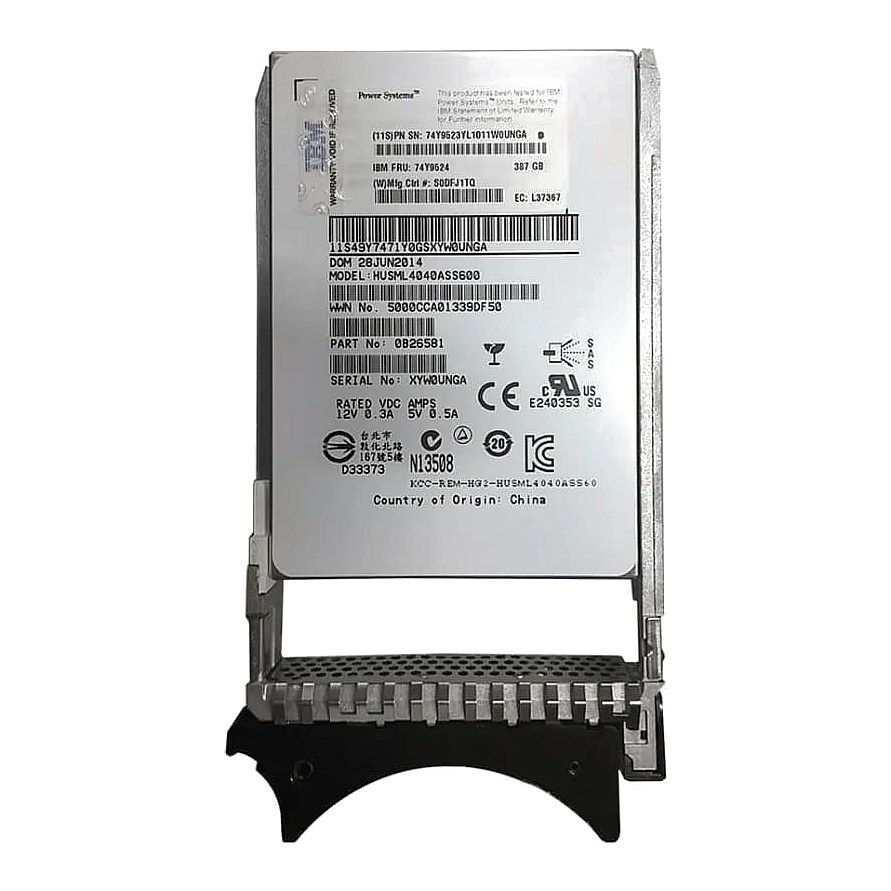
IBM 387GB SAS SFF SSD Solid State Drive Part #: 00E8672 / 0B29638 / 74Y9524 / 74Y9526. Brand: IBM / Hitachi. Part #: 00E8672. Alt. Part #: 0B29638 / 74Y9524 / 74Y9526. CCIN: 58B8. Specs:-. :: Type: SAS SSD. :: Capacity…