
Dell Data Center SSDs
**Dell EMC Enterprise Solid-State Drives** Dell EMC™ offers different SSD solutions to meet diverse customer needs. Enterprise SSDs as a class are unique against client or consumer-based SSD in terms of reliability, performance and architecture.Enterprise-class SSDs are designed around enterprise application I/O (input/output) requirements concentrating on random and sequential I/O performance, reliability,endurance and protection of data during a sudden power-outage. **Understanding the basics of enterprise-class SSDs allow customers to make informed decisions when comparing solutions.Over-provisioning:** The Achilles' heel of SSDs are their write characteristics. To rewrite an area of an SSD that has already been written, the data must be erased and then written. Best practice dictates over-provisioning, which adds native flash capacity in the SSD to overcome a portion of the write performance penalty. It also utilizes the additional space to quickly write application data on areas of flash that are already in an erased state . **Write Endurance**: Write endurance is the number of program/erase (P/E or write cycles) that can be applied to a block of flash memory before the storage media becomes unreliable. Due to different data center workloads and read/write needs, Dell EMC offers different enterprise SSDs with different endurance ratings so customers can design the right solution for their needs. Below are the categories of enterprise SSDs Dell EMC offers: - **Write Intensive (WI)**: 50/50 read/write workloads with highest endurance. HPC, database logging, and caching are example workloads. - **Mix Use (MU)**: 70/30 read/write workloads with medium endurance. E-mail/messaging, OLTP, and E-commerce are example workloads. - **Read Intensive (RI)**: 90/10 read/write workloads with lower endurance. Database warehousing, media streaming, and VOD solutions are example workloads. - **Boot Optimized (Boot)**: Lowest cost/small capacity SSDs designed to be used as a
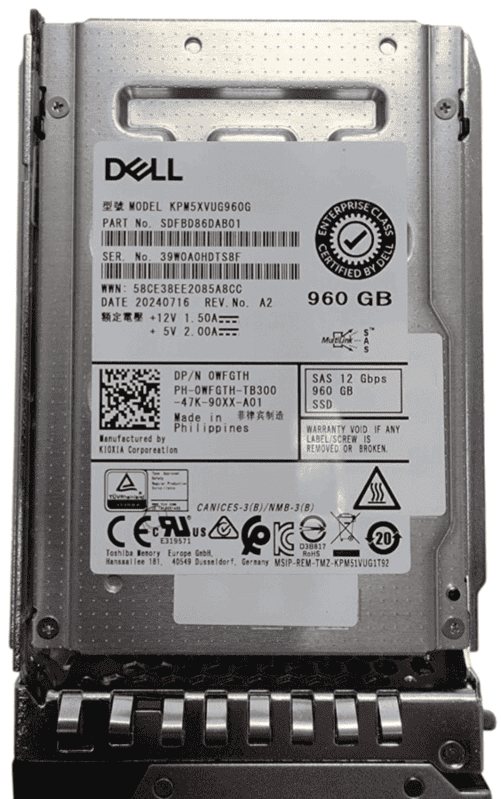
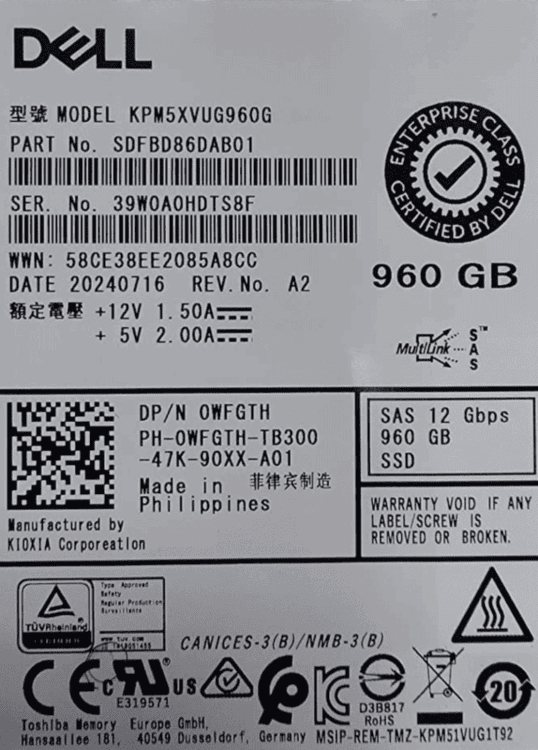
Dell 960GB 12G 2.5in SAS MU SSD w/ DXD9H Caddy Part #: 0WFGTH / SDFBD86DAB01 / KPM5XVUG9606. Brand: Dell. Part #: 0WFGTH. Alt. Part #: SDFBD86DAB01. Model #: KPM5XVUG9606. Specs:-. :: Capacity: 960GB. :: Interface: SAS…

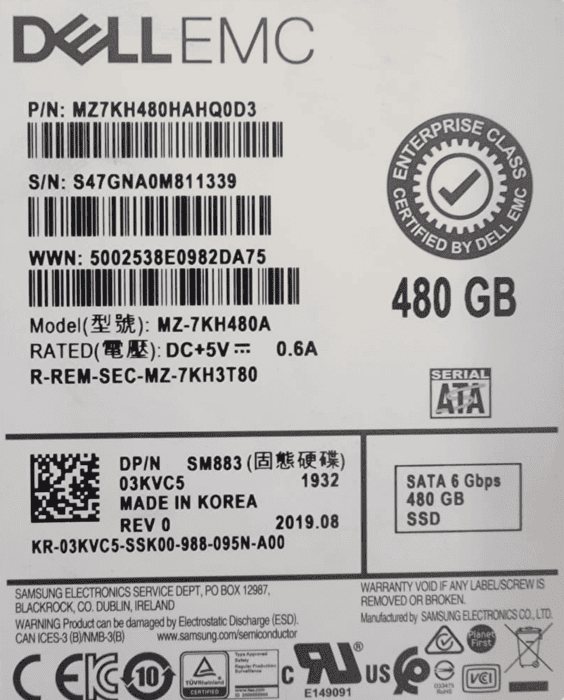
Dell 480GB 6G 2.5in TLC SATA MU SSD w/ Hybrid Caddy Part #: 03KVC5 / 3KVC5 / MZ7KH480HAHQ0D3 / MZ-7KH3T80. Brand: Dell. Part #: 03KVC5. Alt. Part #: 3KVC5 / MZ7KH480HAHQ0D3. Model #: MZ-7KH3T80. Specs:-. Capacity…

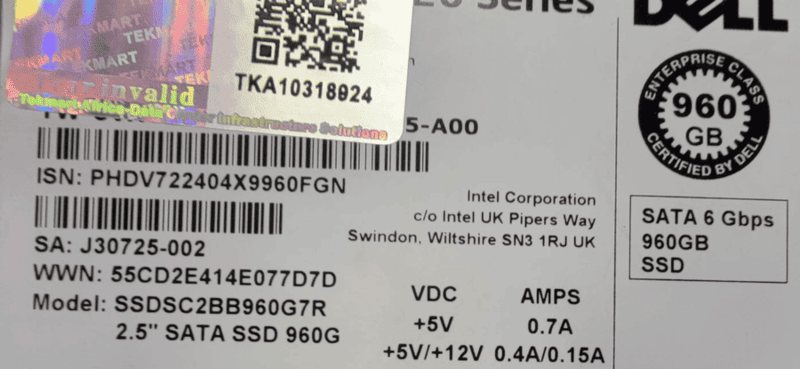
Dell/Intel DC S3520 Series 960GB Sata 6GBps 3d1 MLC 2.5in SSD Part #: VXG5N / 0VXG5N / SSDSC2BB960G7R. Brand: Dell / Intel. Part #: VXG5N. Alt. Part #: 0VXG5N. Model #: SSDSC2BB960G7R. Specs:-. Capacity: 960GB…

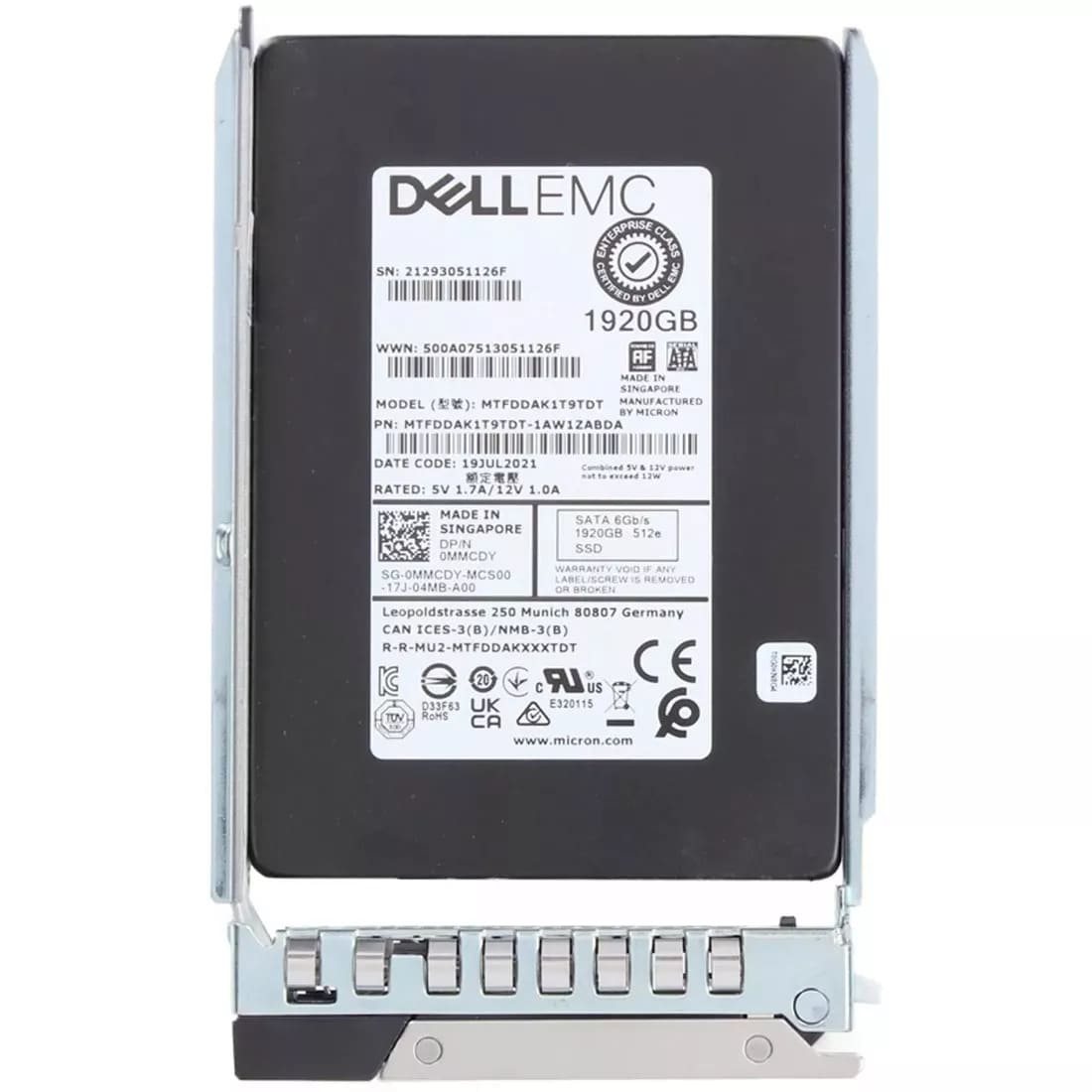
Dell G14-G17 1.92TB 6G 2.5in SATA MU TLC SSD w/DXD9H Caddy Part #: 0MMCDY / MMCDY / MTFDDAK1T9TDT-1AW1ZABDA / MTFDDAK1T9TDT. Brand: Dell. Part #: 0MMCDY. Alt. Part #: MMCDY / MTFDDAK1T9TDT-1AW1ZABDA. Model #…

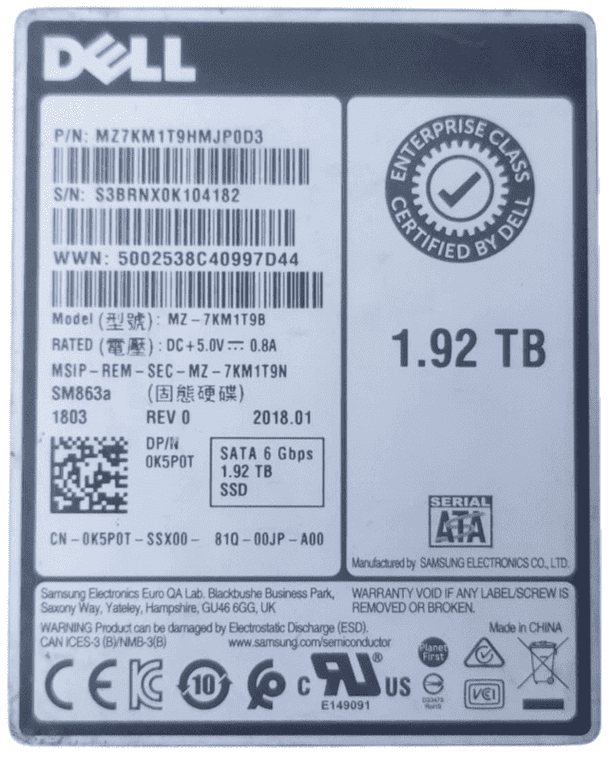
Dell 1.92TB 6G 2.5 SATA MU SSD w/G176J Caddy Part #: 0K5P0T / K5P0T / MZ7KM1T9HMJP0D3 / MZ-7KM1T9N. Brand: Dell. Part #: 0K5P0T. Alt. Part #: K5P0T / MZ7KM1T9HMJP0D3. Model #: MZ-7KM1T9N. Specs:-. Capacity: 1.92TB…

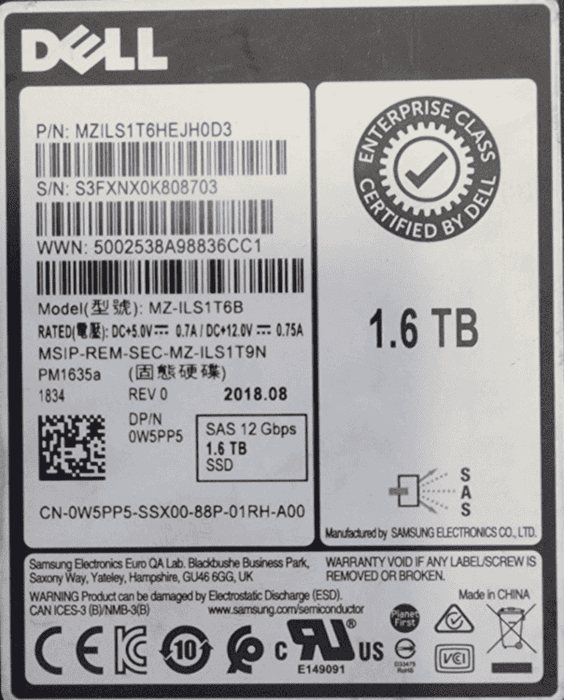
Dell 1.6TB 12G 2.5in SAS MU SSD w/G176J Caddy Part #: 0W5PP5 / W5PP5 / MZILS1T6HEJH0D3 / MZ-ILS1T6B. Brand: Dell. Part #: 0W5PP5. Alt. Part #: W5PP5 / MZILS1T6HEJH0D3. Model #: MZ-ILS1T6B. Specs:-. Capacity: 1.6TB…

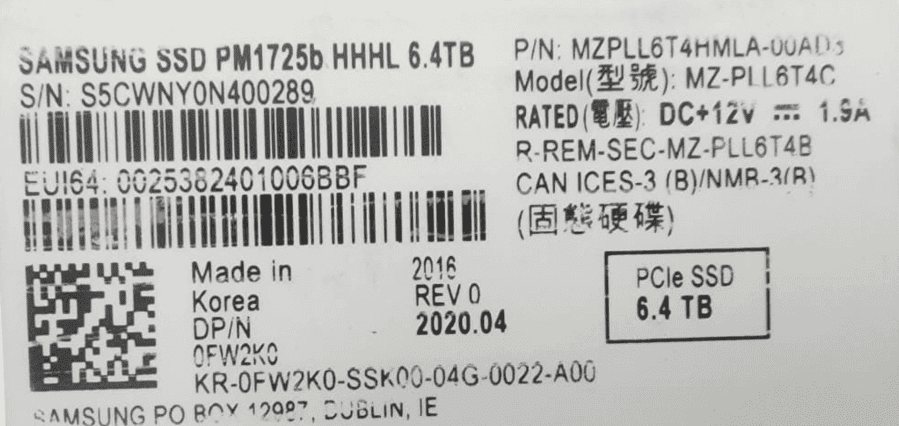
Dell 6.4TB PCIe NVMe RI HHHL SSD Part #: MZPLL6T4HMLA-00AD3 / FW2K0. Brand: Dell. Part #: MZPLL6T4HMLA-00AD3. Alt. Part #: FW2K0. Specs:-. Capacity: 6.4 TB. Interface: PCIe 3.0 x8, NVMe. Form factor Half-height…

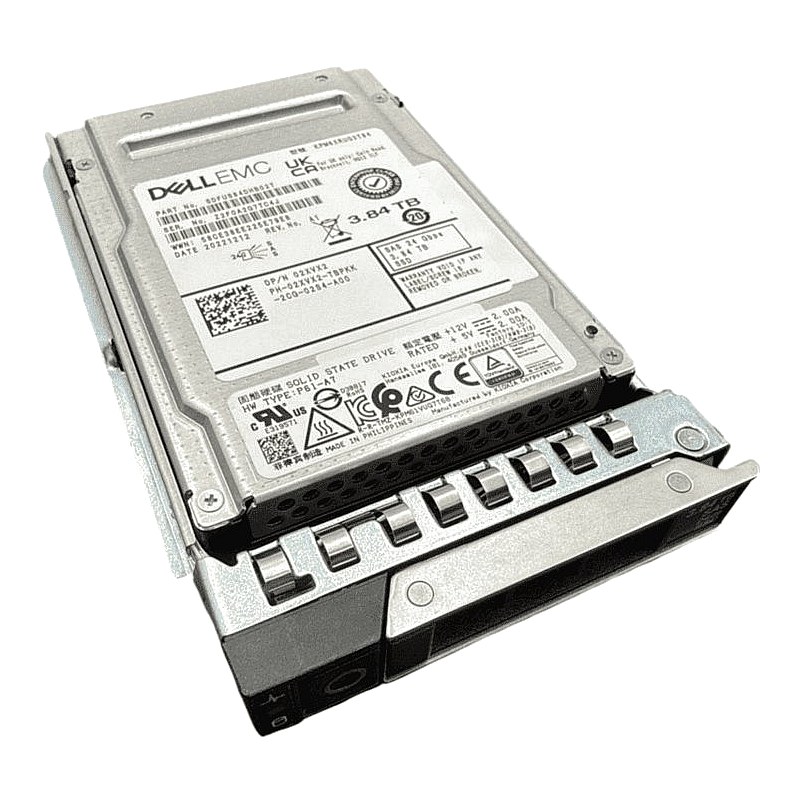
Dell G14-G17 3.84TB 24G 2.5in SAS RI SSD w/DXD9H Caddy Part #: 2XVX2. Brand: Dell. Part #: 2XVX2. Alt. Part #: 02XVX2. Model #: KPM6XRUG3T84. Specs:-. Capacity: 3.84TB. Interface: SAS. Form Factor: 2.5in (SFF). External…

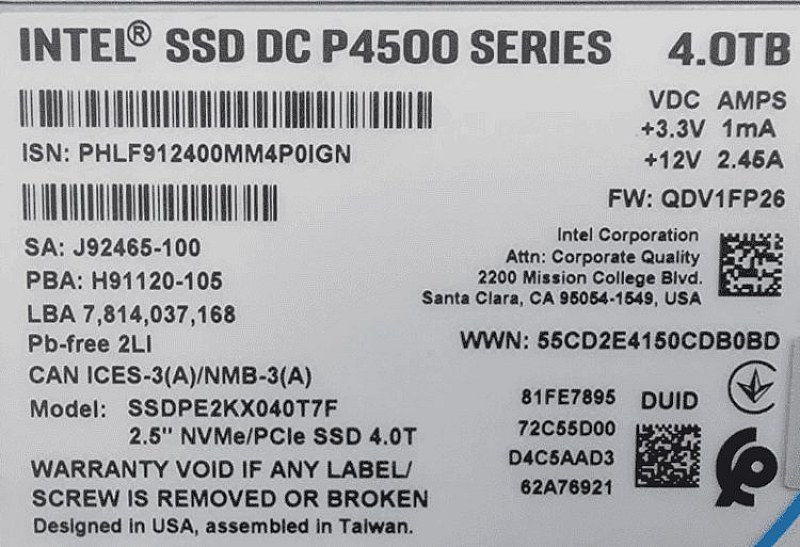
Intel DC P4500 4TB NVME 2.5in PCI-E SSD Part #: SSDPE2KX040T7F / J92465-100 / H91120-105. Brand: Intel. Part #: SSDPE2KX040T7F. Alt. Part #: J92465-100 / H91120-105. Model #: DC P4510. Specs:-. Capacity: 4TBInterface…
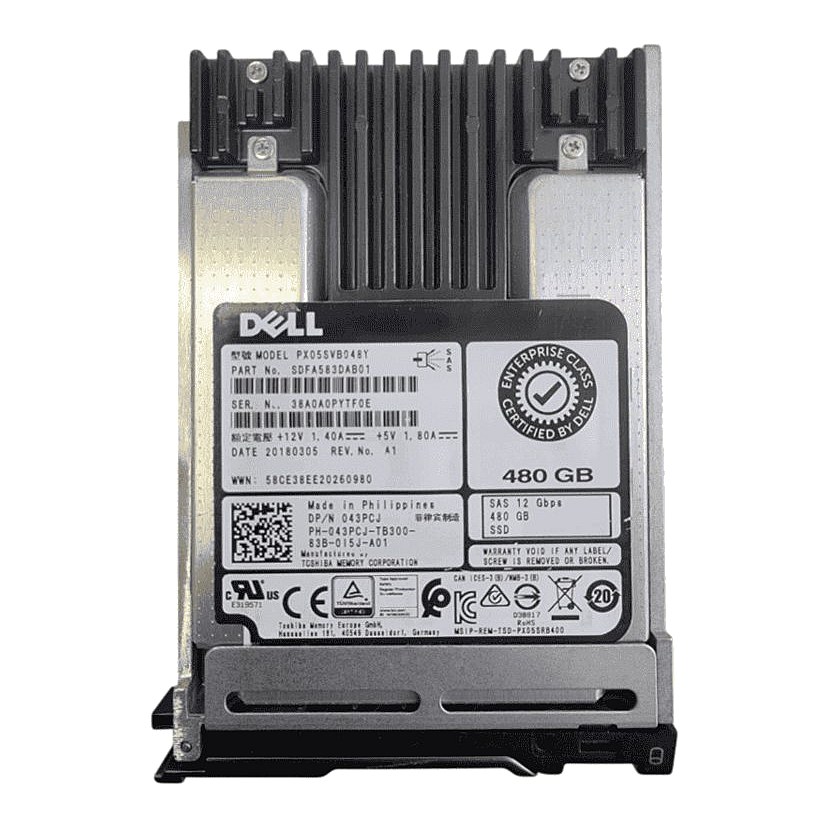
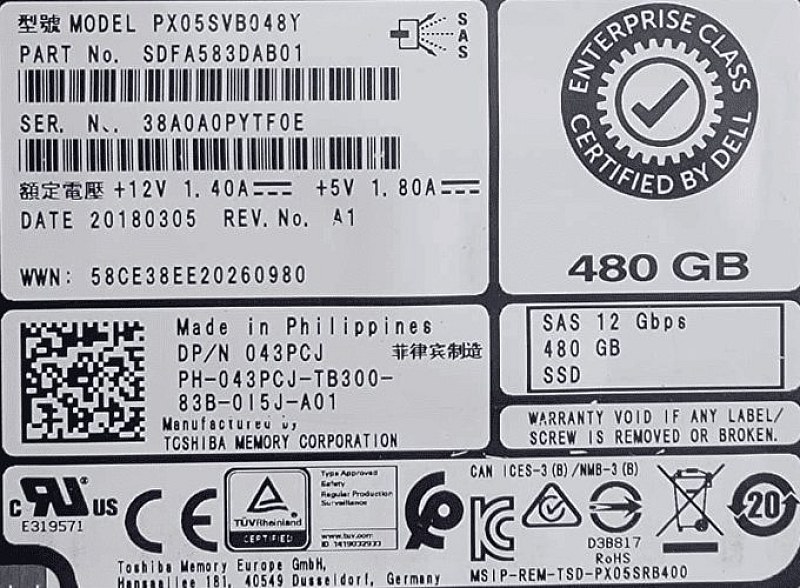
Dell 480GB 12G 2.5in MLC SAS MU SSD w/G176J Caddy Part #: 043PCJ / 43PCJ / SDFA583DAB01 / PX05SVB048Y. Brand: Dell. Part #: 043PCJ. Alt. Part #: 43PCJ / SDFA583DAB01. Model #: PX05SVB048Y. Specs:-. Capacity: 480GB…
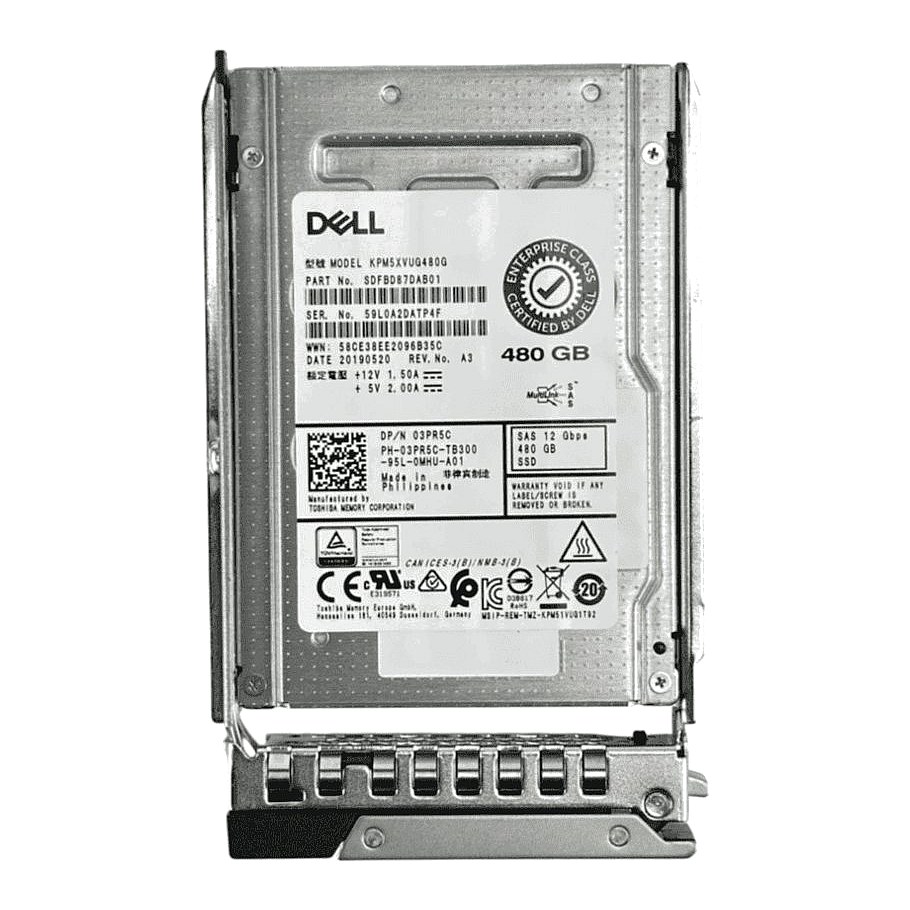
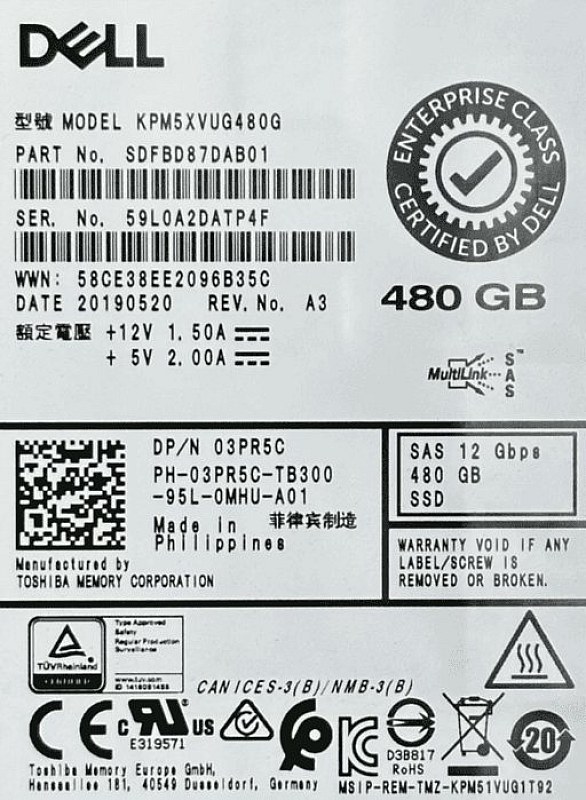
Dell G14-G17 480GB 12G 2.5in SAS MU SSD w/DXD9H Caddy Part #: 03PR5C / 03PR5C / SDFBD87DAB01 / KPM5XVUQ480G. Brand: Dell. Part #: 03PR5C. Alt. Part #: 03PR5C / SDFBD87DAB01. Model #: KPM5XVUQ480G. Specs:-. Capacity…
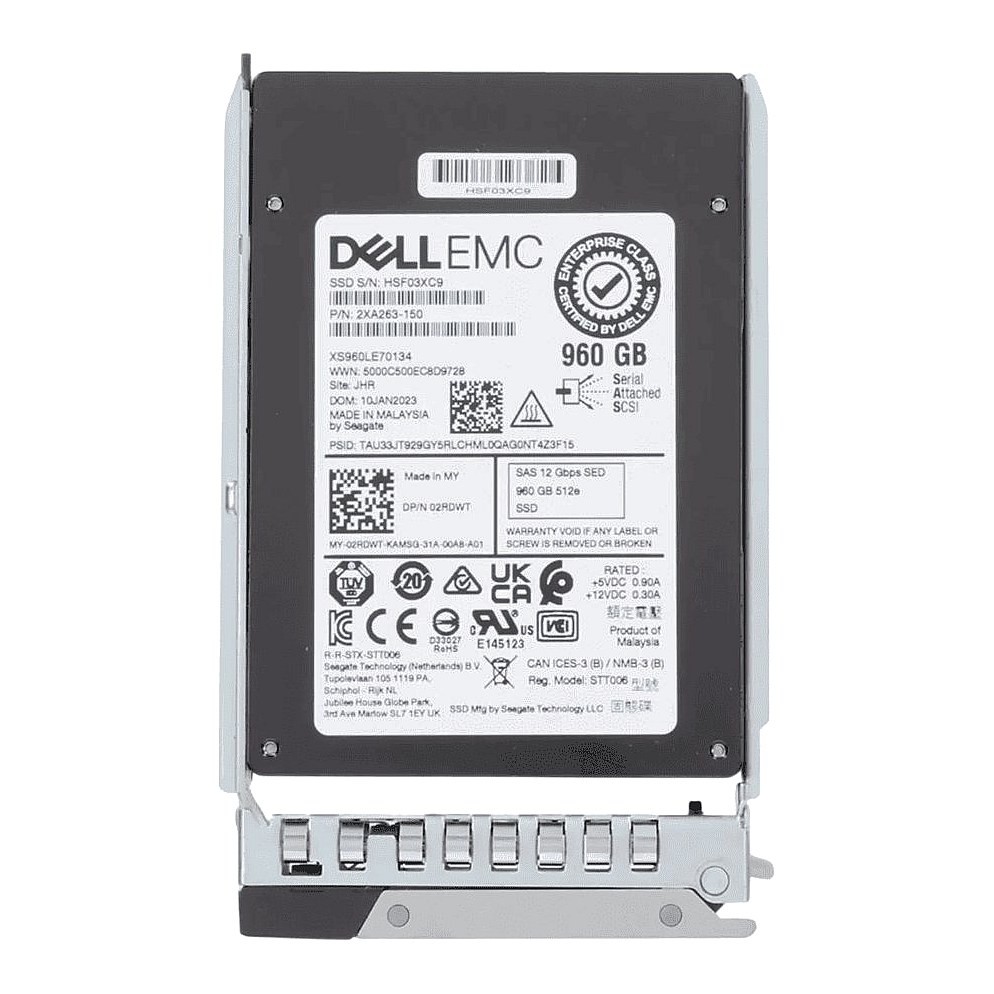
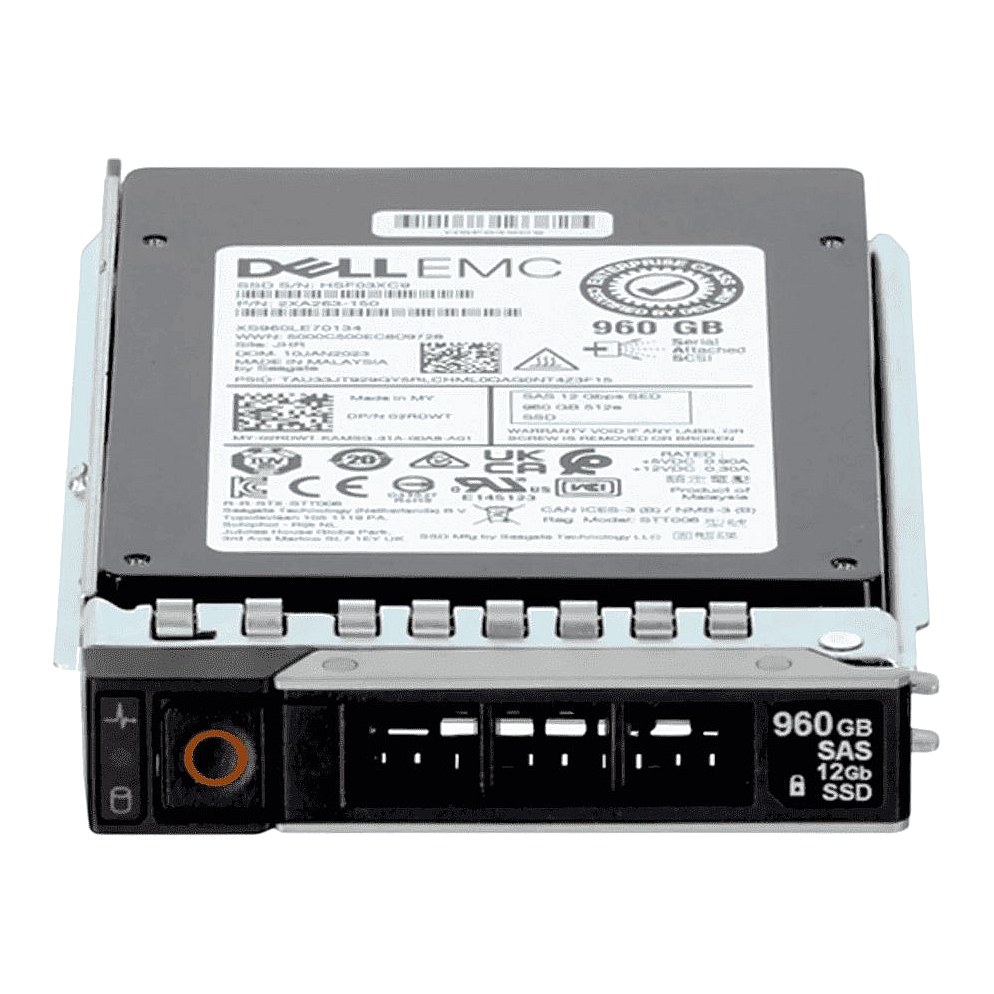
Dell 960GB SED SAS-12Gbps Mixed Use 3DWPD 2.5in Hot-Plug SSD Part #: 2RDWT / 02RDWT / 2XA263-150. Brand: Dell. Part #: 2RDWT. Alt. Part #: 02RDWT / 2XA263-150. Specs:-. Capacity: 960 GB. Form Factor: 2.5in…
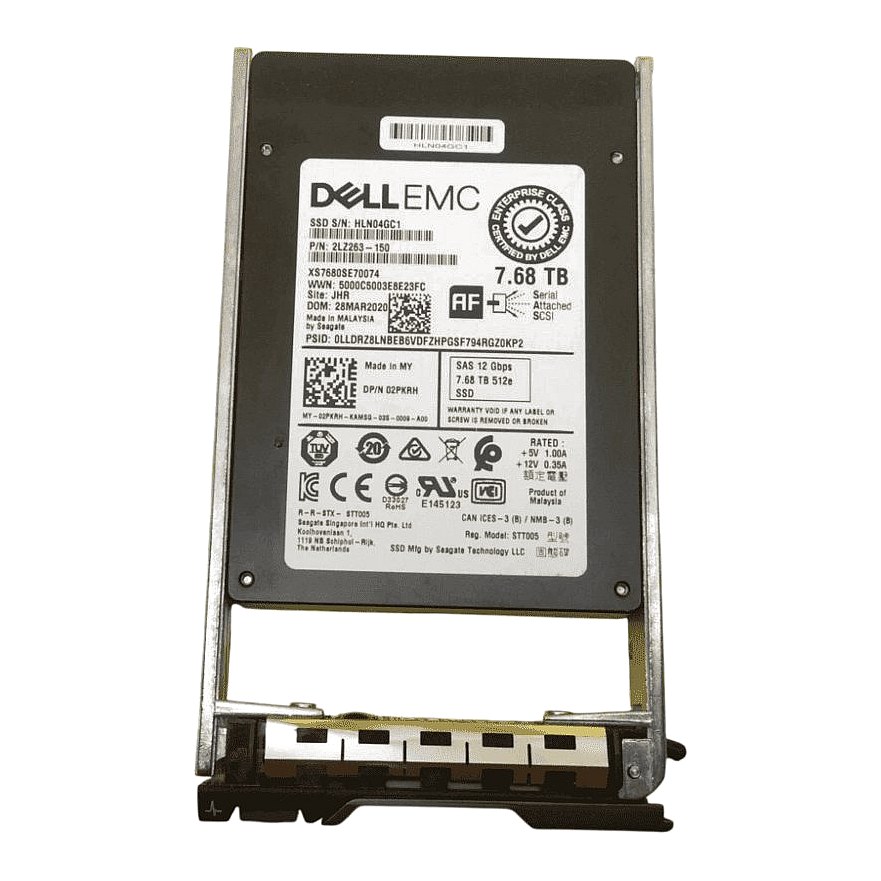
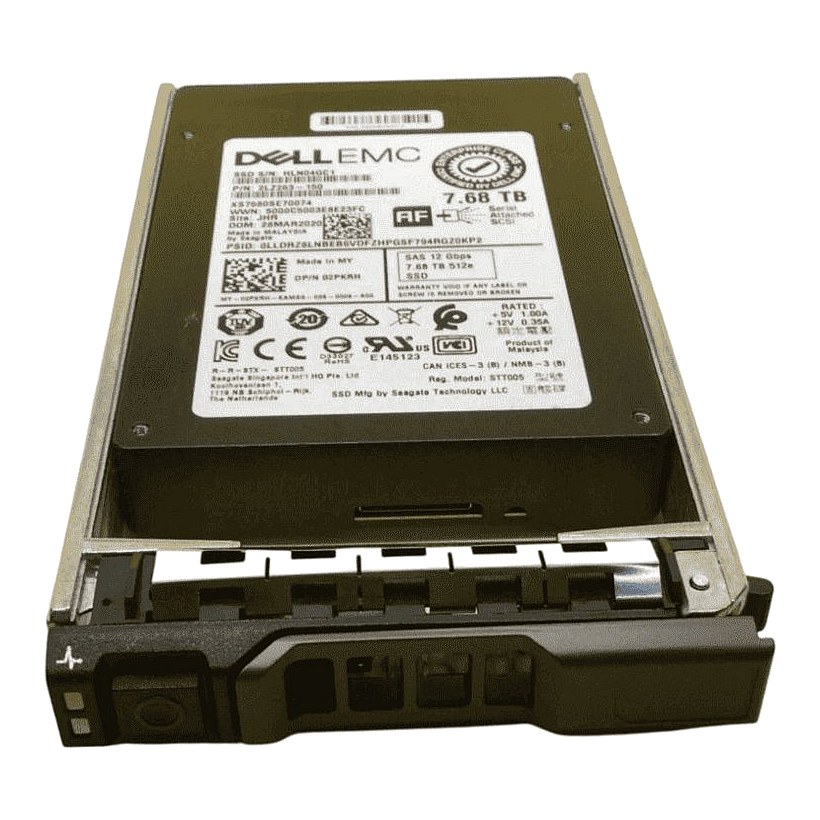
Dell G14-G17 7.68TB 12G 2.5in SAS RI TLC SSD Part #: 2PKRH / 2LZ263-150. Brand: Dell. Part #: 2PKRH. Alt. Part #: 2LZ263-150. Specs:-Capacity: 7.68 TB. Form Factor: 2.5in (SFF)Interface: SAS. Data Transfer Rate: 12Gb/s…
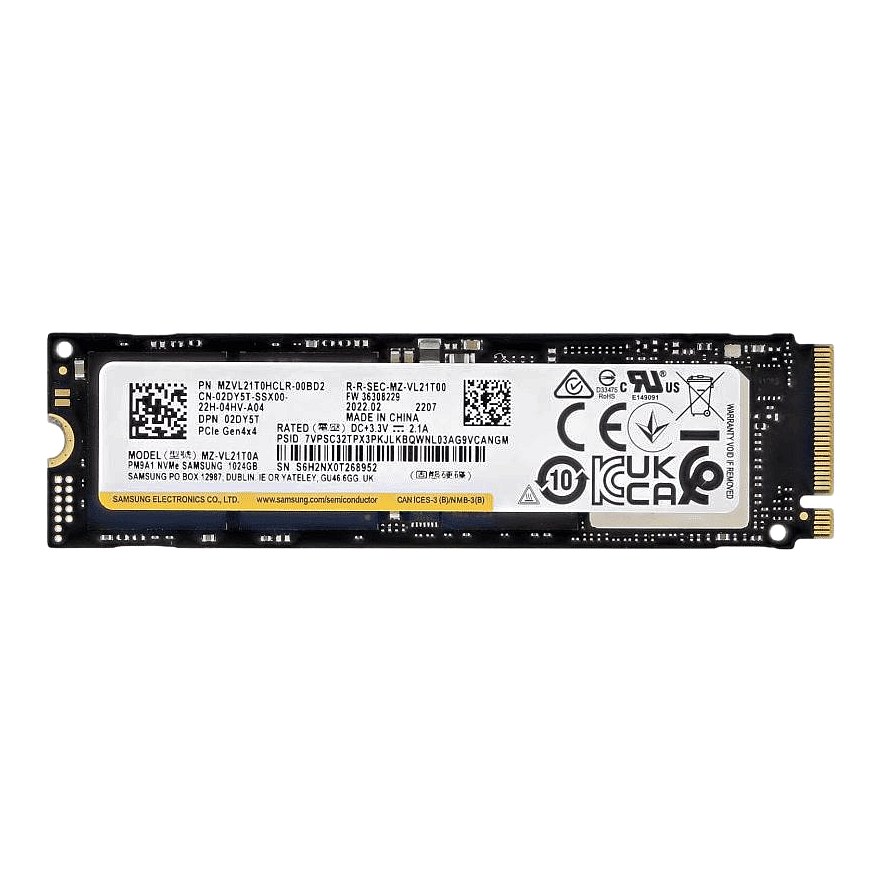
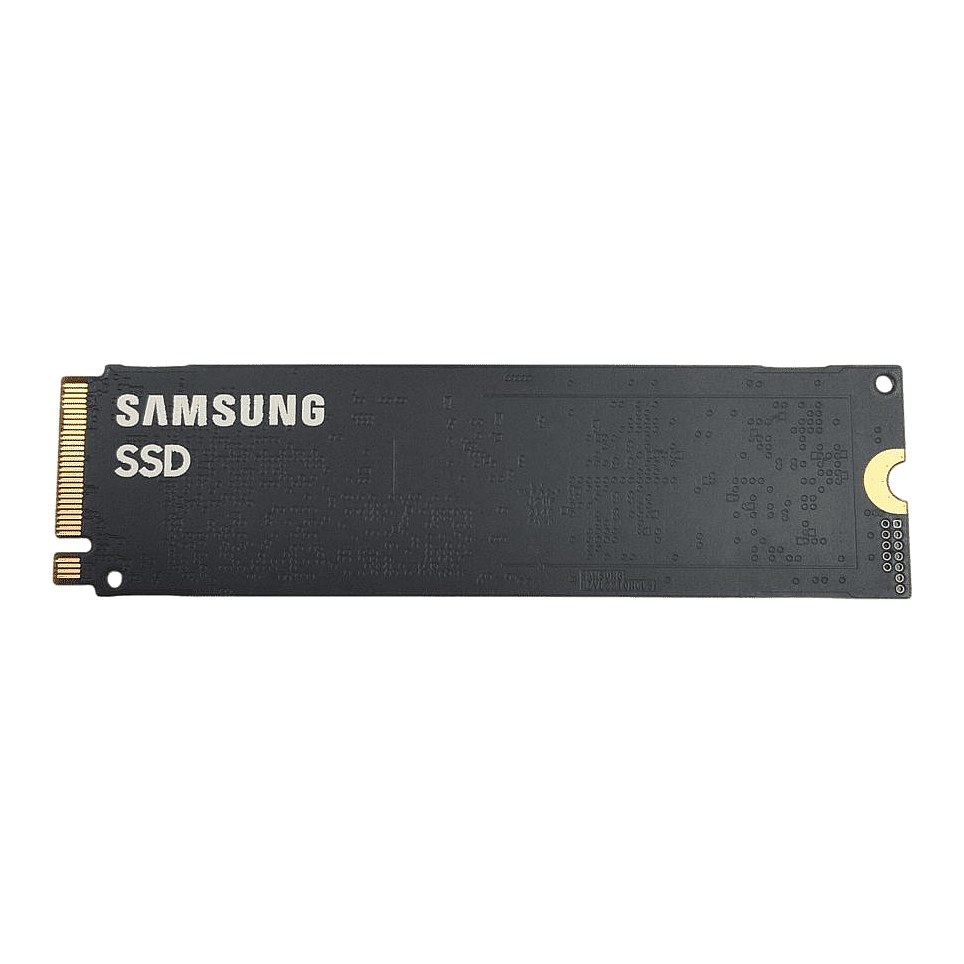
Dell 1TB NVMe PCIe M.2 2280 Solid State Drive Part #: 2DY5T / 02DY5T / MZ-VL21T0A. Brand: Dell. Part #: 2DY5T. Alt. Part #: 02DY5T. Model #: MZ-VL21T0A. Specs:-. Capacity: 1TB. Interface: PCIe NVMe. PCIe Generation…
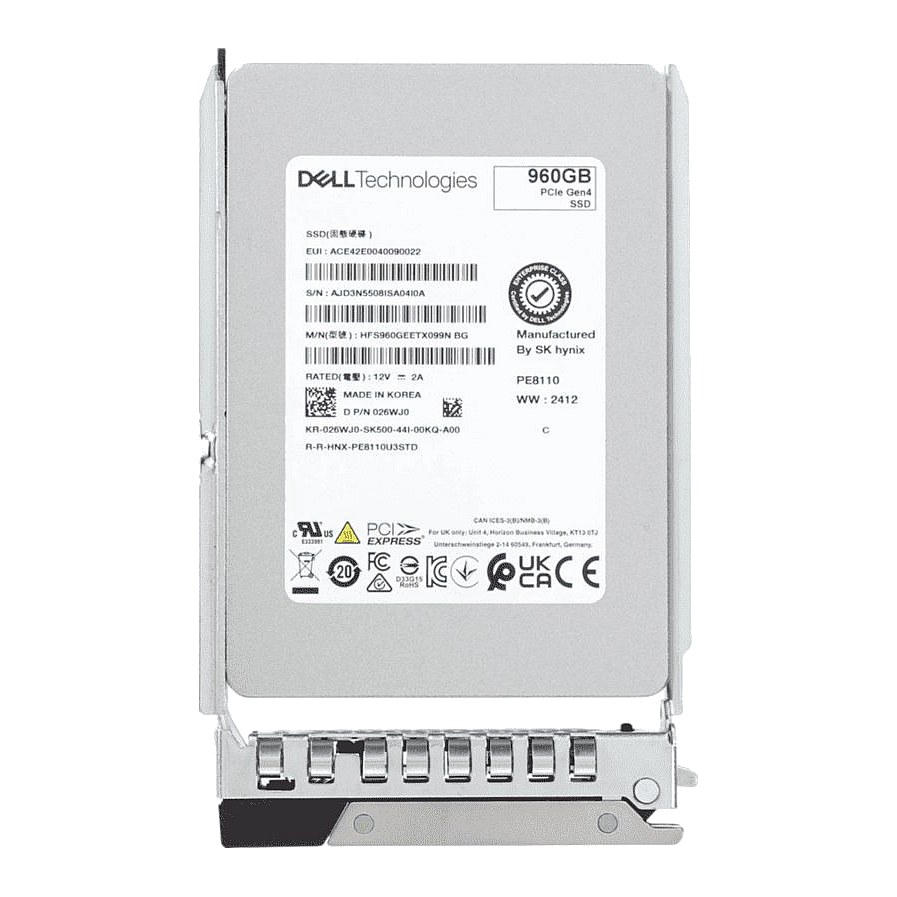
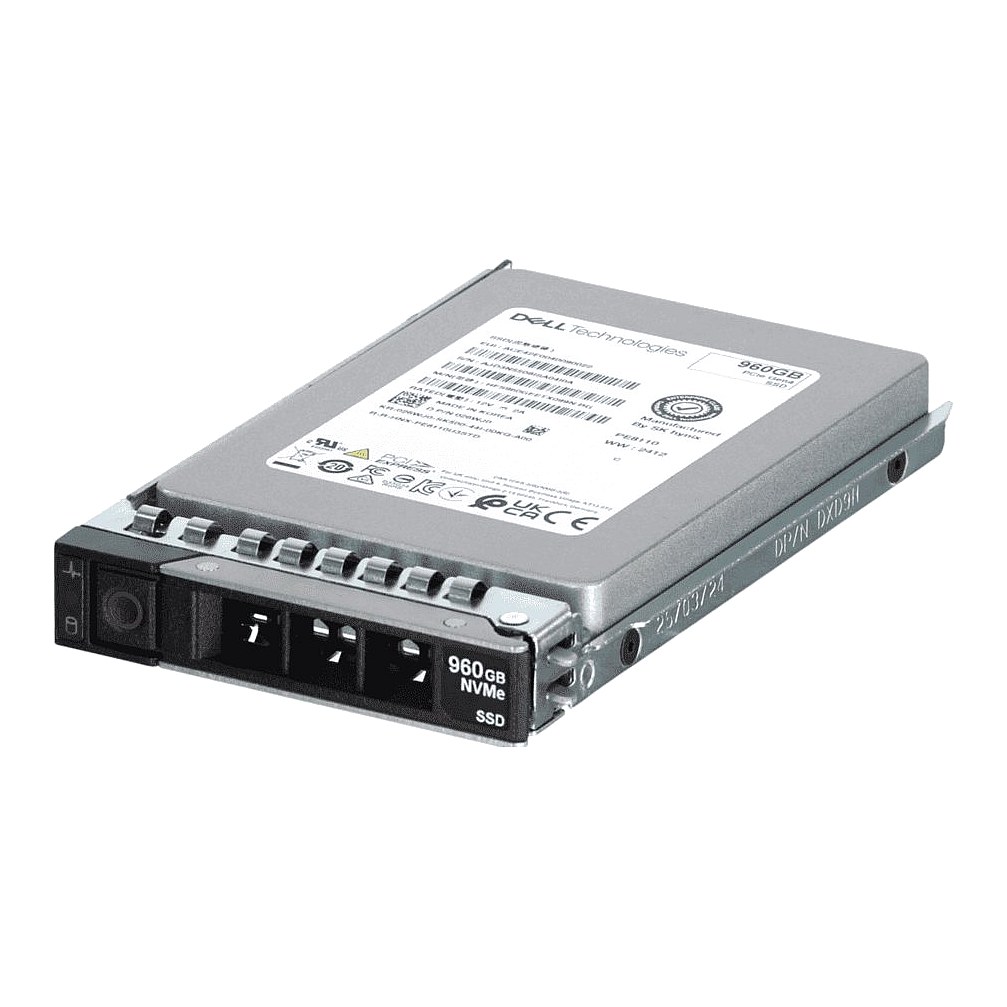
Dell 960GB DC PCIe Gen4 NVMe RI U.2 2.5in SSD w/ Caddy Part #: 26WJ0. Brand: Dell. Part #: 26WJ0. Alt. Part #: 26WJ0. Specs:-. Capacity: 960GB. Form Factor: 2.5in (SFF). Interface Pcie 4.0 X4 Nvme (U.2 G4)Flash Memory…
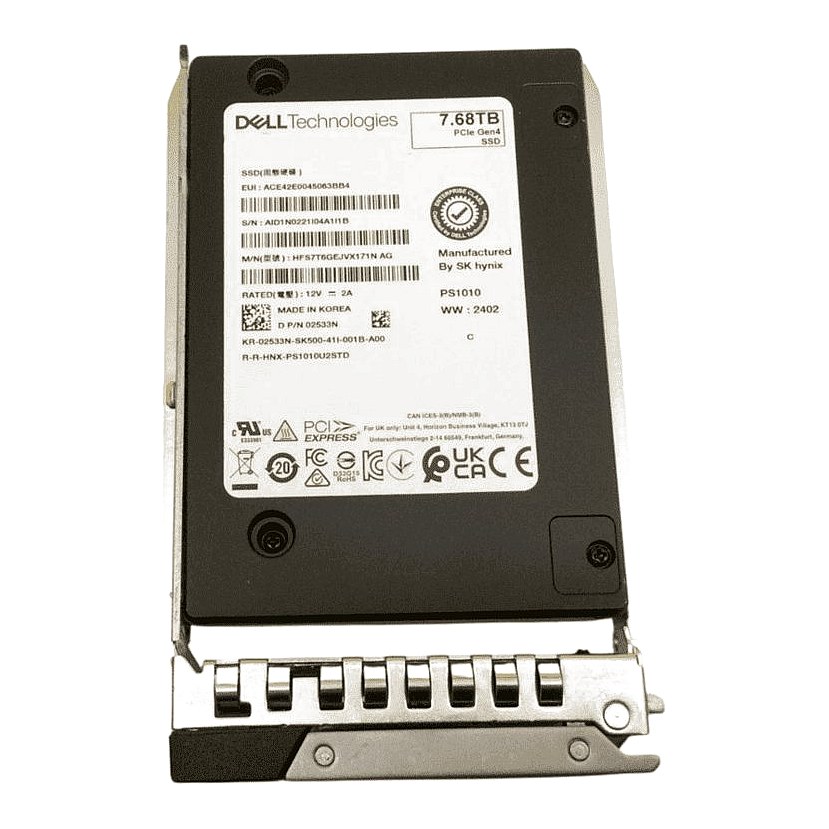
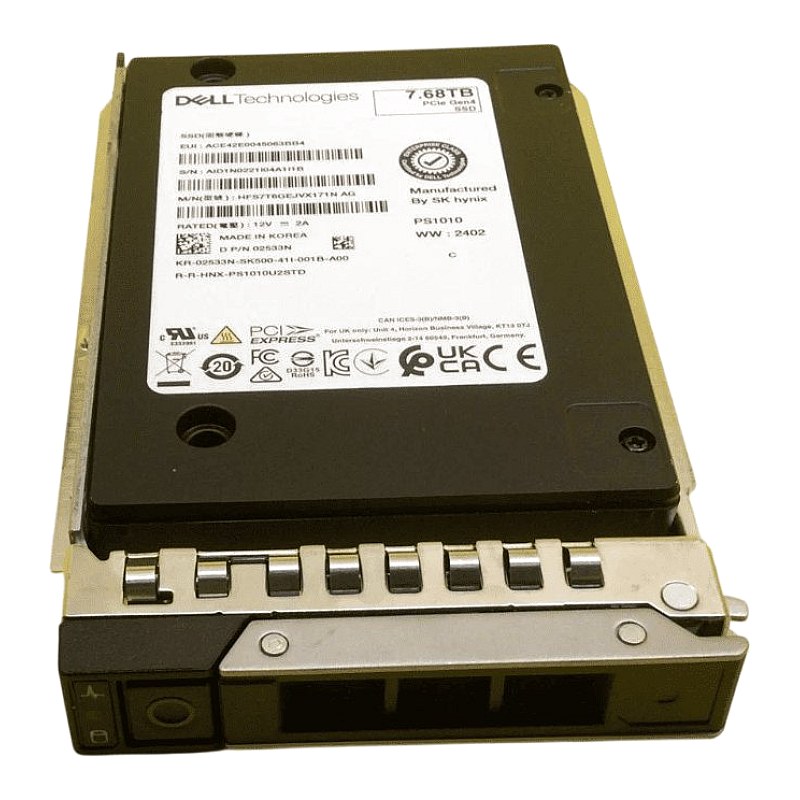
Dell 7.68TB RI PCIe Gen4 NVMe U.2 SFF Solid State Drive Part #: 2533N. Brand: Dell. Part #: 2533N. Alt. Part #: 2533N. Specs:-. Capacity: 7.68TBForm Factor: 2.5inInterface: PCI Express U.2 Gen4 X4 Dual Port X2Interface…
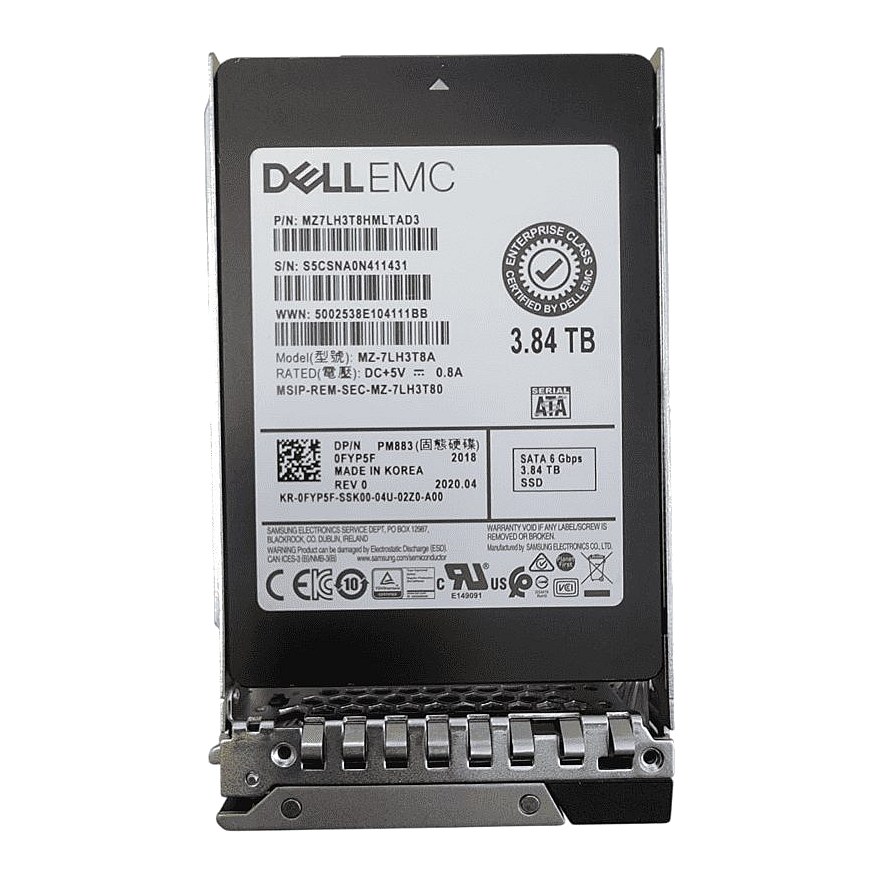
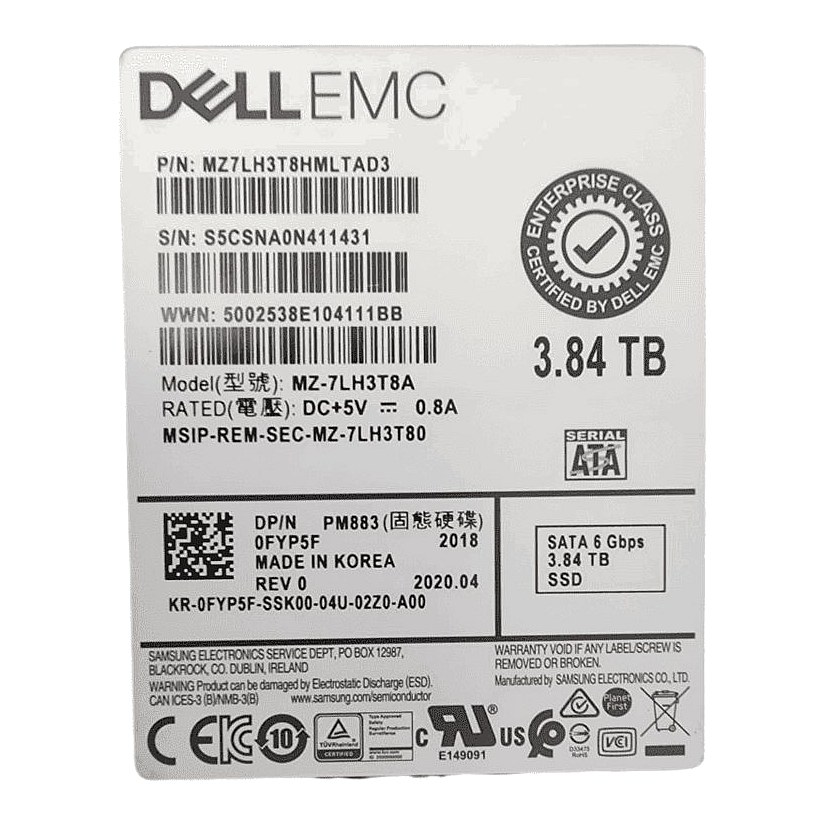
Dell 3.84TB 6G 2.5 SATA RI SSD w/ DXD9H Caddy Part #: 0FYP5F / FYP5F / MZ-7LH3T8A. Brand: Dell. Part #: 0FYP5F. Alt. Part #: FYP5F. Model #: MZ-7LH3T8A. Specs:-. Capacity: 3.84TBInterface: SATAForm Factor: 2.5in…
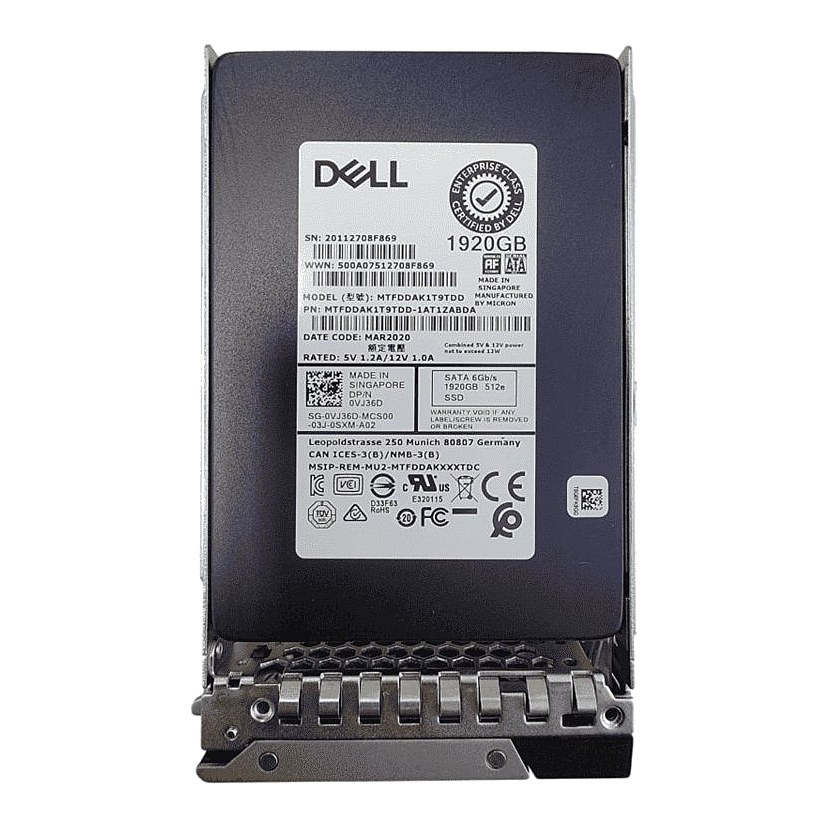
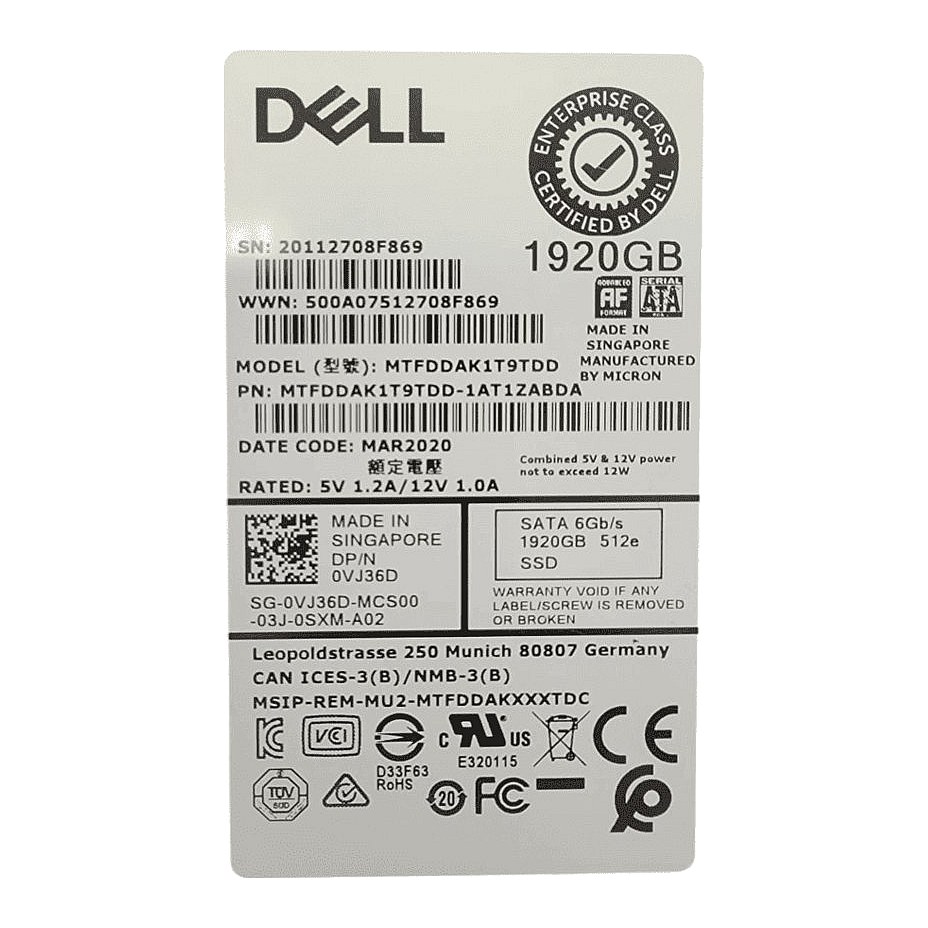
Dell G14-G17 1.92TB 6G 2.5in SATA RI TLC SSD w/DXD9H Caddy Part #: 0VJ36D / VJ36D / MTFDDAK1T9DD-1AT1ZABDA / MTFDDAK19TDD. Brand: Dell. Part #: 0VJ36D. Alt. Part #: VJ36D / MTFDDAK1T9DD-1AT1ZABDA. Model #: MTFDDAK19TDD…
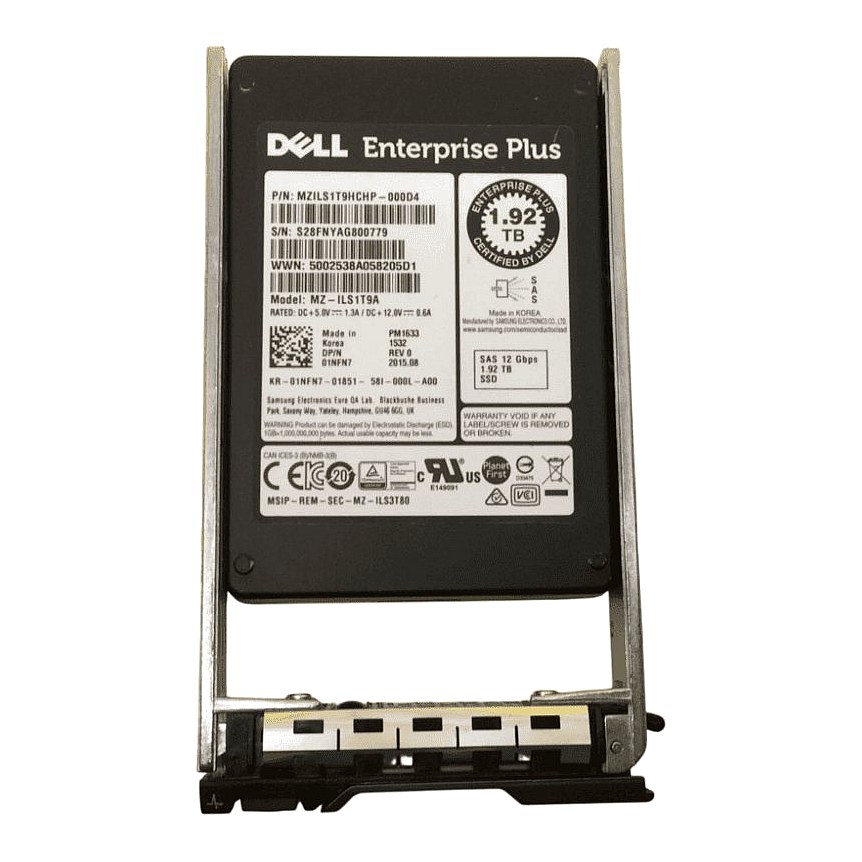

Dell Enterprise Plus 1.92TB SAS 12Gb/s Read Intensive 2.5in SSD Part #: 1NFN7 / MZ-ILS1T9A. Brand: Dell. Part #: 1NFN7. Alt. Part #: MZ-ILS1T9A. Model #: MZ-ILS1T9A. Specs:-. Capacity: 1.92TBInterface: SASForm Factor…
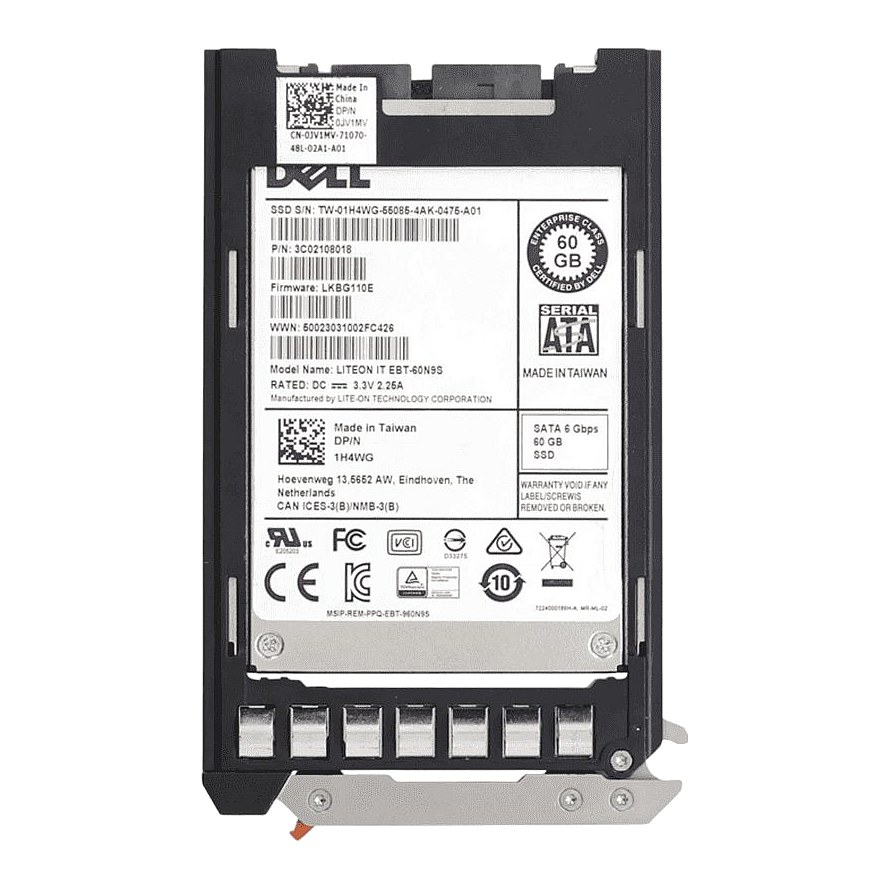
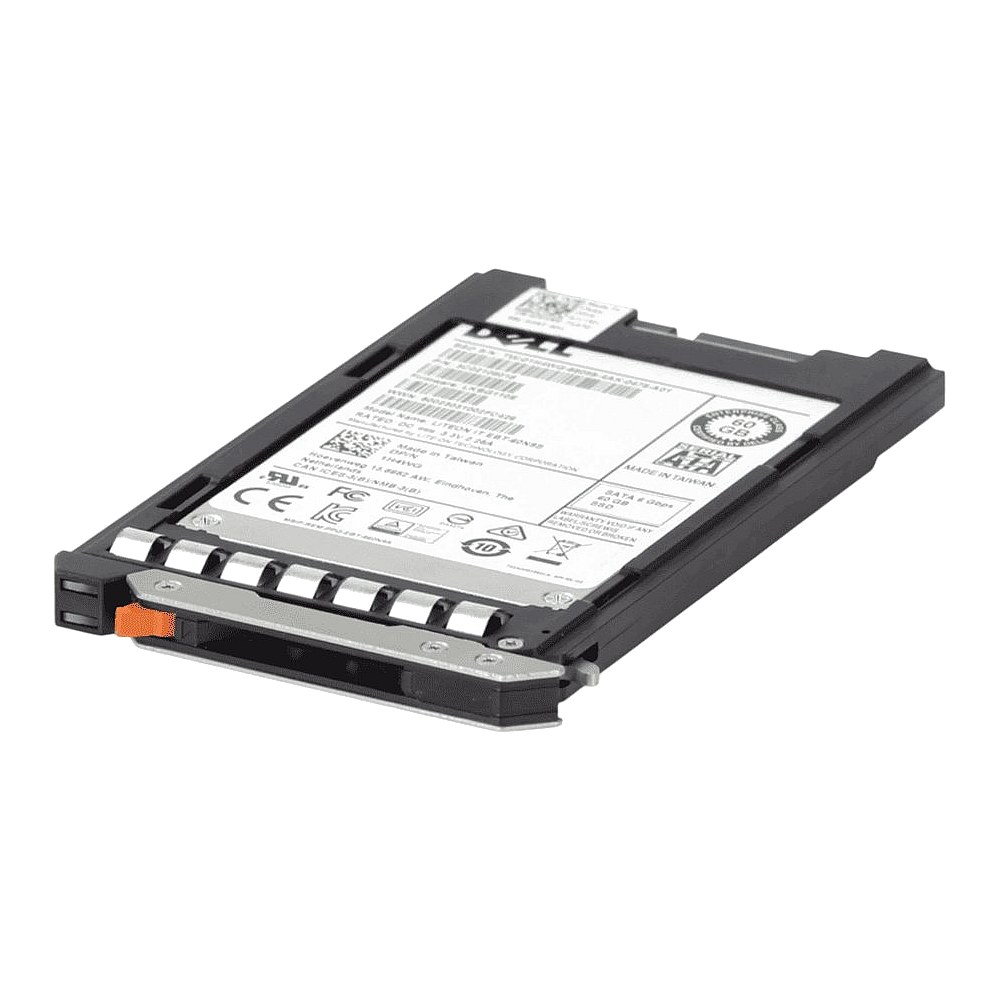
Dell EBT60N9S 60GB 6Gbps SATA MU MLC 1.8 SSD Part #: 1H4WG. Brand: Dell. Part #: 1H4WG. Alt. Part #: 1H4WG. Model #: EBT60N9S. Specs:-. Capacity: 60 GBForm Factor 1.8in USFF (Ultra-Small Form Factor)Interface: SATA III…
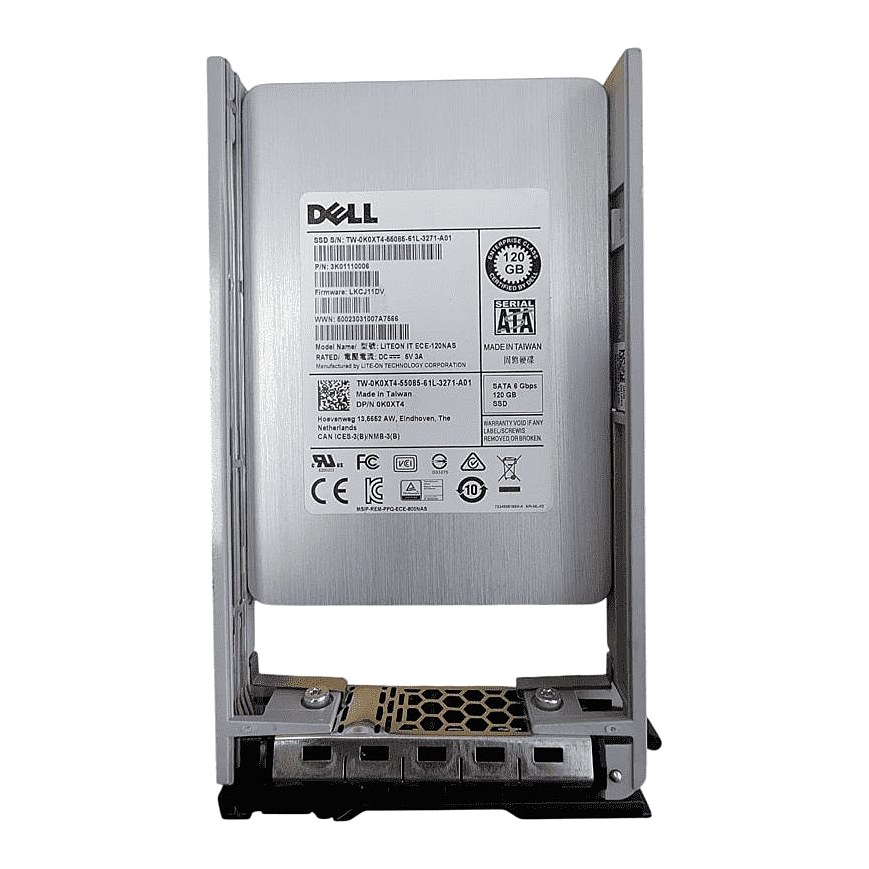
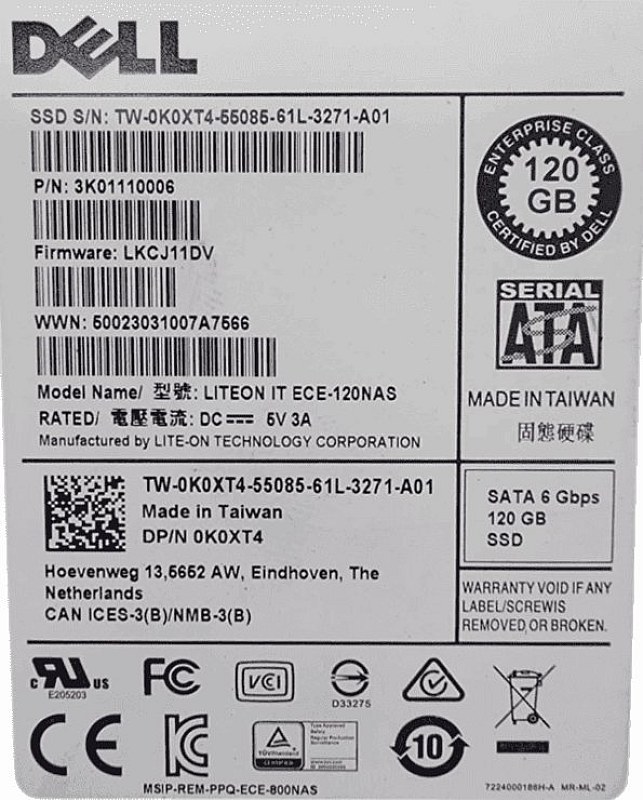
Dell 3K01110006 128GB 6Gbps 2.5in SATA SSD Part #: 0K0XT4 / K0XT4 / 3K01110006. Brand: Dell. Part #: 0K0XT4. Alt. Part #: K0XT4. Model #: 3K01110006. Specs:-. Capacity: 120GBForm Factor: 2.5inInterface: SATA. Data…
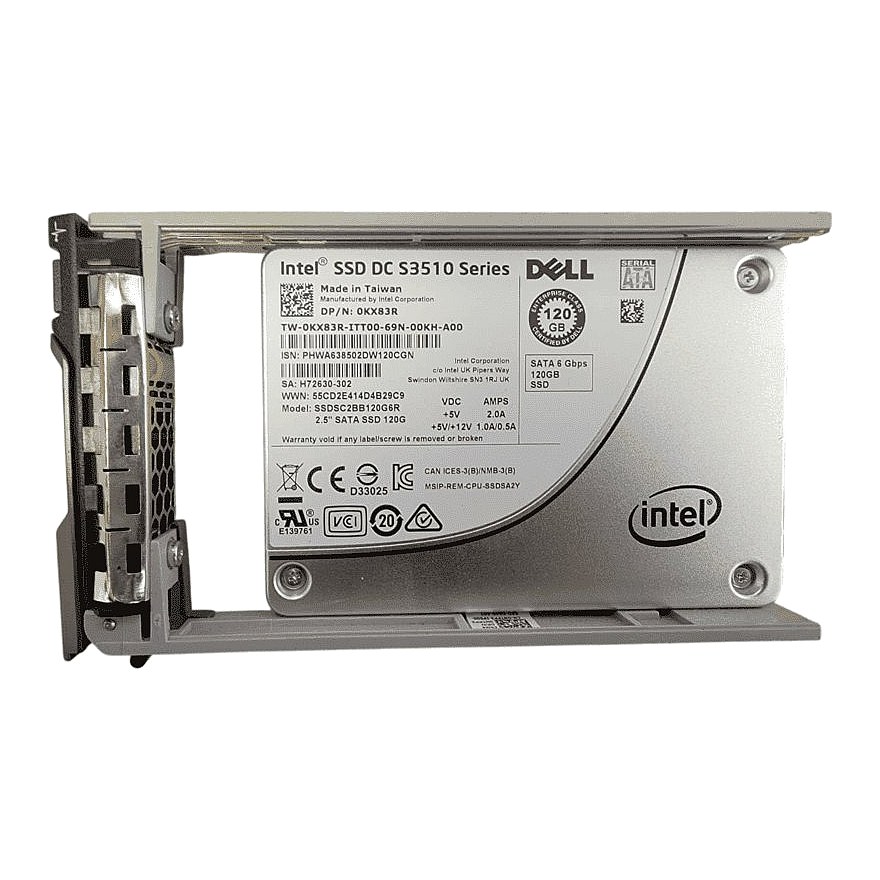
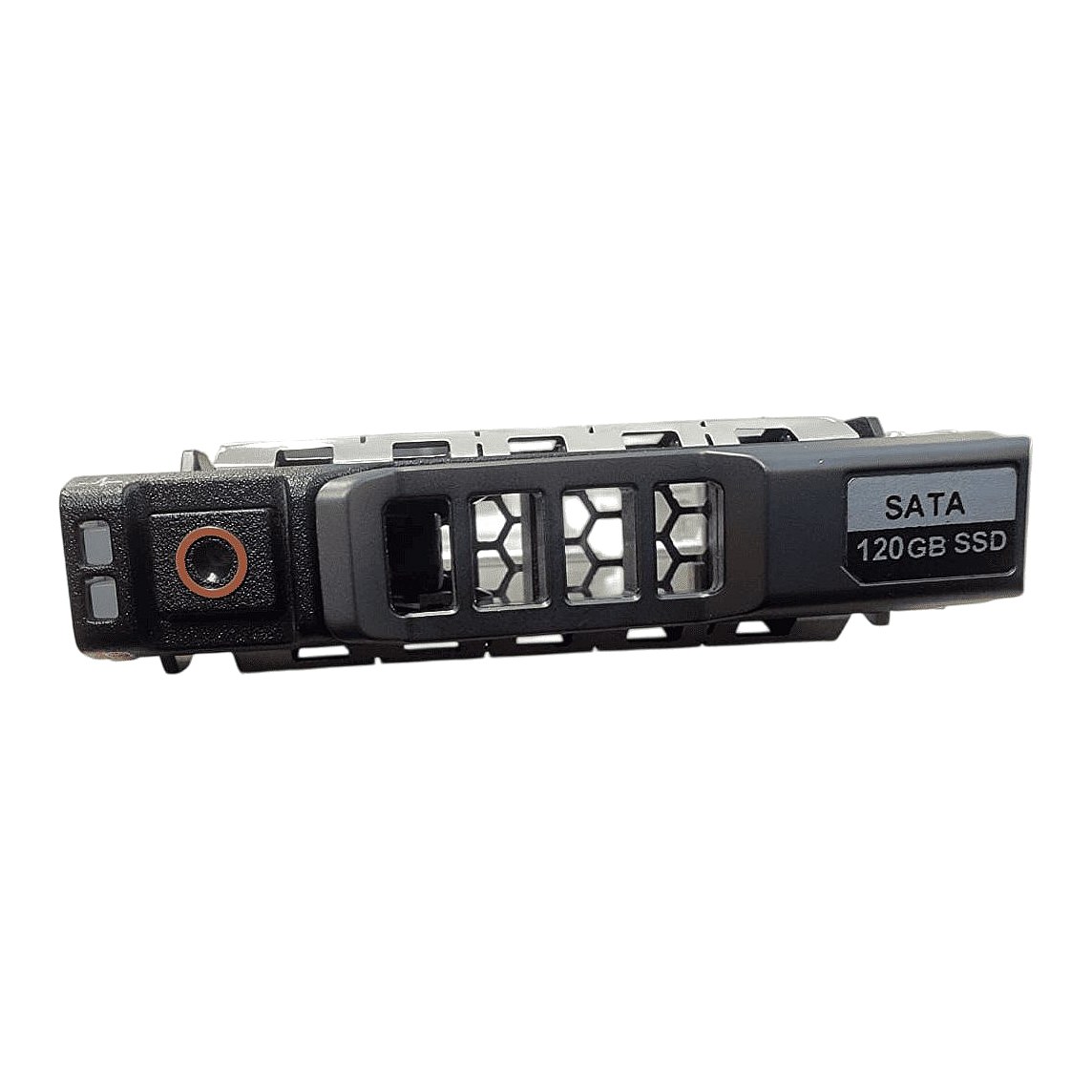
Dell 120GB Read Intensive MLC SATA 6Gb/s 2.5in SSD Part #: 0KX83R / SSDSC2BB120G6R. Brand: Dell. Part #: 0KX83R. Alt. Part #: 0394XT. Model #: SSDSC2BB120G6R. Specs:-. Capacity: 120GBMemory Type: Multi-level Cell…
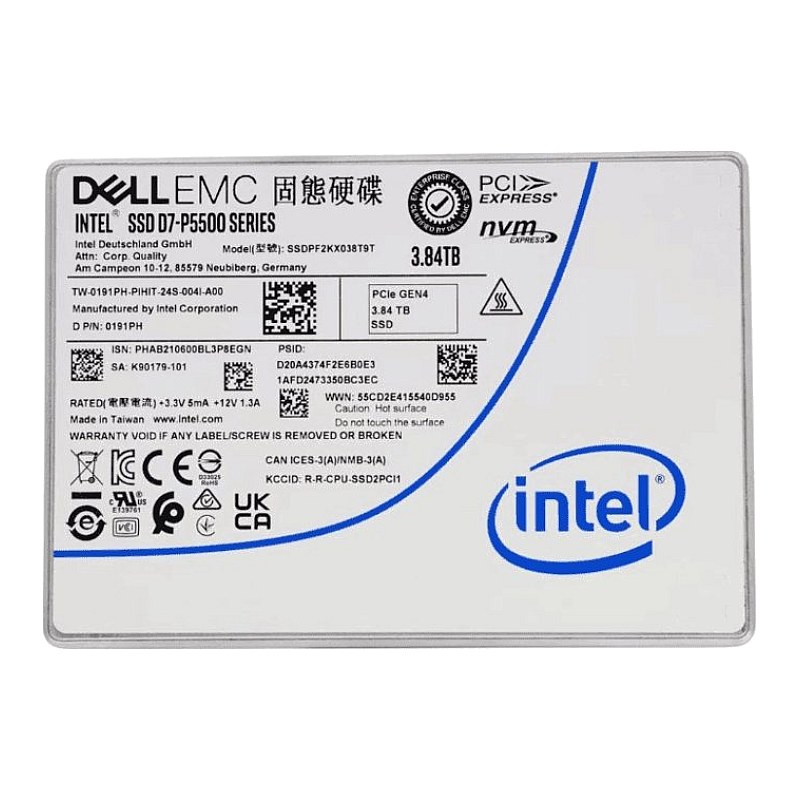
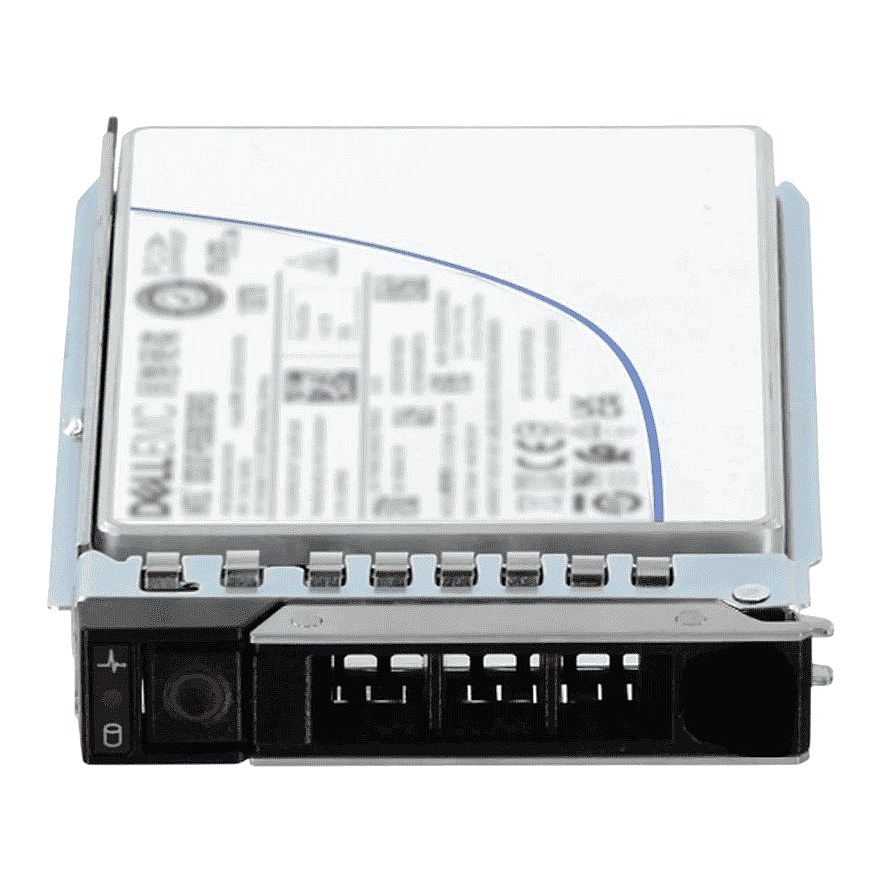
Dell 3.84TB PCIe Gen4 NVMe U.2 SSF RI 1DWPD SSD Part #: 191PH. Brand: Dell. Part #: 191PH. Alt. Part #: 191PH. Specs:-. Capacity: 3.84TBInterface Type: Pcie 4.0 X4 (Nvme)Form Factor: U.2 15mmLithography: 96-layer Tlc 3d…
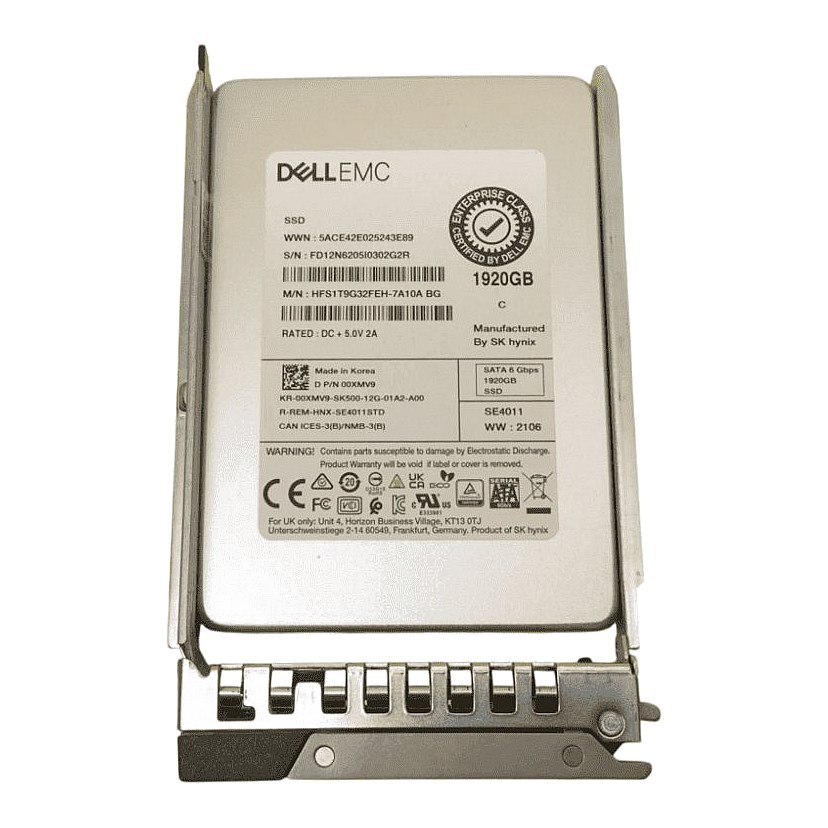
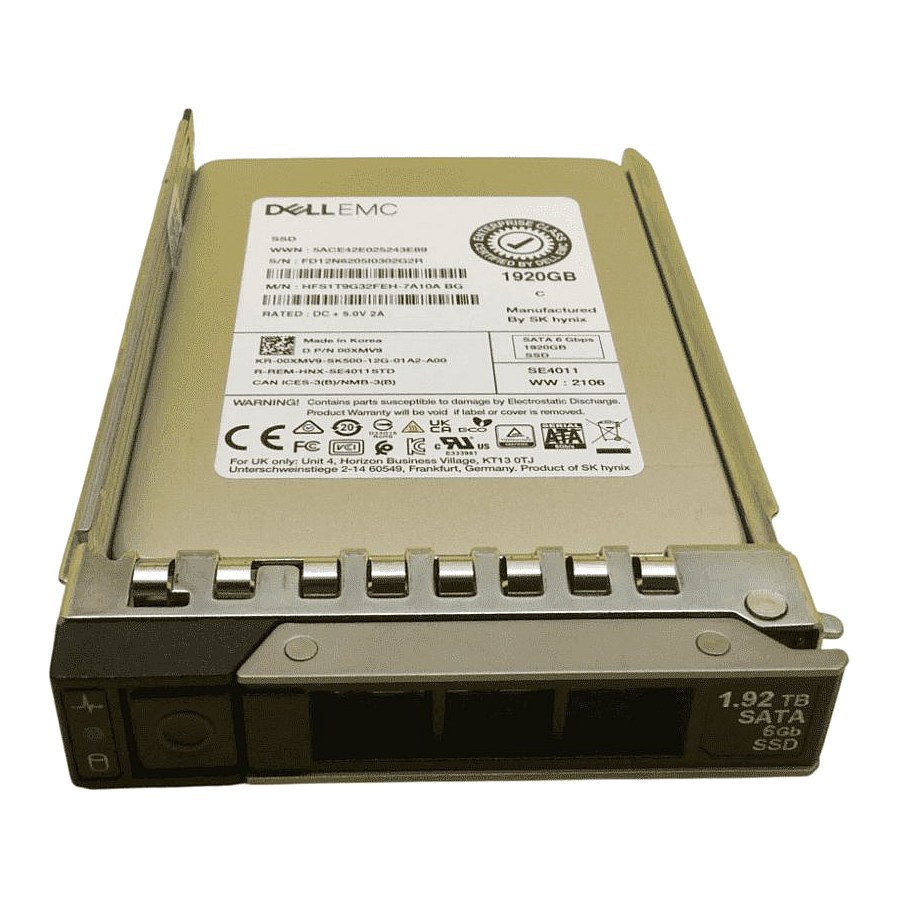
Dell 1.92TB 6G 2.5in SATA RI TLC SSD w/G176J Caddy Part #: 00XMV9 / 0XMV9. Brand: Dell. Part #: 00XMV9. Alt. Part #: 0XMV9. Specs:-. Capacity: 1.92TBInterface: SATAForm Factor: 2.5in (SFF)External Data Transfer Rate: 6G…