
CPU Blanks
A CPU blank (**also known as a CPU filler or socket cover**) is a non-functional component used to occupy an empty CPU socket on a motherboard, typically in dual-socket or multi-socket servers. While they may look like simple pieces of plastic or metal, they are critical for the health and performance of high-end hardware. **Why are these CPU Blanks used?** ### **1. Airflow Management (The Primary Reason)** In a server, the cooling system is designed to pull air through specific channels to cool the processors and memory. If a socket is left empty without a blank, air will take the **"path of least resistance."** - **:: Without a Blank:** Air rushes through the empty space instead of through the heatsinks of the active CPUs. This causes the working **CPUs to overheat even if the fans are spinning at maximum speed.** - **:: With a Blank:** The blank blocks the gap, forcing the air to travel through the intended cooling fins of the active components. ### **2. Protecting the Socket Pins** Modern CPU sockets (like Intel’s LGA sockets) have thousands of tiny, fragile pins. If you leave a socket exposed, it is highly susceptible to: - **:: Physical Damage:** Accidental drops or bumps during maintenance can bend pins, often ruining the entire motherboard. - **:: Dust Accumulation:** Dust can settle in the pin grid, causing poor electrical contact if you decide to upgrade and install a second CPU later. ### **3. Maintaining Static Pressure** Servers rely on high static pressure to move heat out of dense enclosures. An "open" socket acts like a leak in a pressurized pipe, reducing the overall cooling efficiency of the entire chassis, including the RAM and storage drives.
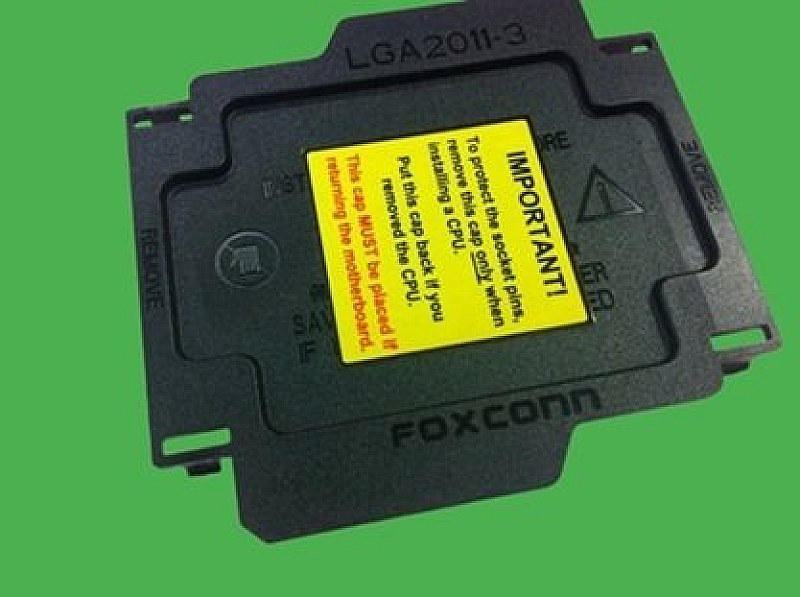
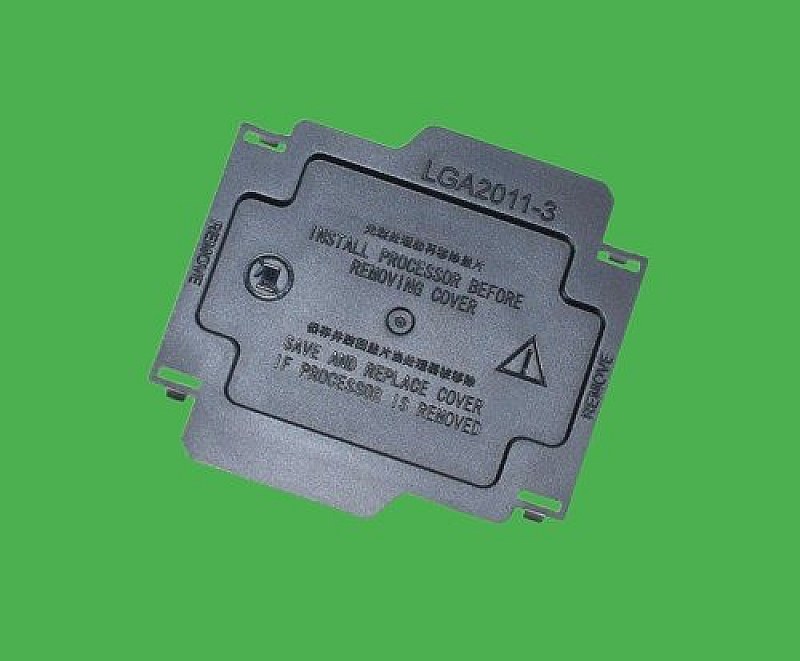
LGA2011-3 (Socket R3) Intel Xeon CPU Socket Cover Protector Part #(s): SKT-R LGA2011-3,747517-001,00FC660,MCP-260-00085-0B. Brand: Generic. Part #(s):-. Dell Part #:SKT-R LGA2011-3. HP Part #:747517-001. IBM Part…
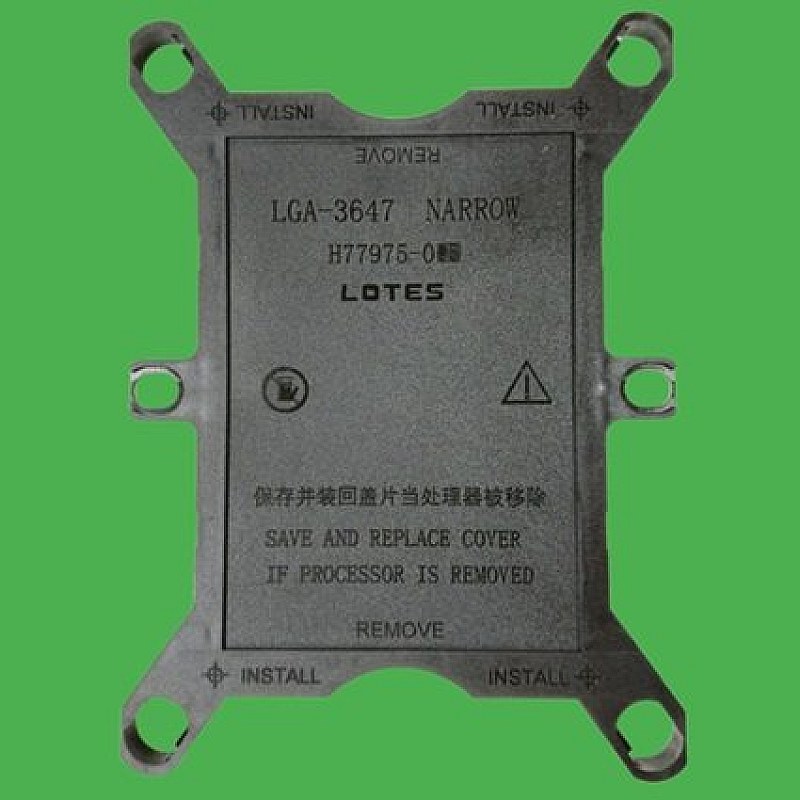
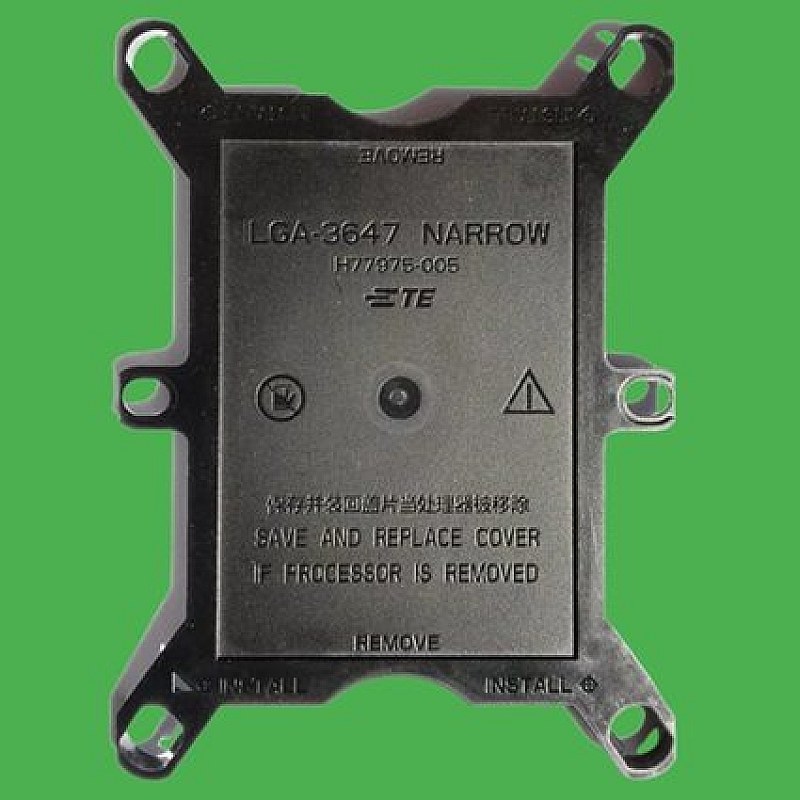
CPU Dust Cover (Protector) Narrow for Intel Xeon Bronze, Silver, Gold, Platinum Socket P (LGA 3647) Scalable Processors Part #: H77975-005. Brand: Generic. Part #: H77975-005. Brand Part #(s): ::Dell Part #…