
Workstation and All-In-One Parts
A **workstation** is a special computer designed for technical or scientific applications.**Workstations** offer higher performance than mainstream personal computers, especially with respect to CPU and graphics, memory capacity, and multitasking capability. ## **Considerations: A brief intro into how to choose your upgrade spare parts for your workstation::** ## A workstation will typically be composed of:- - **Memory** - **Processors** - **Raid Controllers** - **Power Supplies** - **System Boards** - **Video CardsPROCESSOR** The processor choice is simply a decision between CPU frequency (speed) and number of cores. Typical performance workstations range from four to 36 CPU cores and up to 72 CPU threads. Generally, there are twice as many threads as cores and threads are ordered sequences of instructions that specify what the CPU should do. Speed is measured in GHz and typically fewer core count processors run at a faster frequency while higher core processors typically run at lower frequencies. The creating and manipulating 3D object portion of applications like **SolidWorks** and **AutoCAD** will need higher frequency CPUs more than increased core count, whereas rendering and simulation applications want more cores for peak performance. > Safely over clocked Intel processors can provide up to 25% more performance for modeling and design applications than the standard processors. > Intel Xeon processor(s) have up to 36 cores and 72 threads and these processors are fantastic for rendering and simulations. **GPU (Graphics Processing Unit)** The GPU is responsible for creating the image you see on your LCD. The GPUs are responsible for setting up polygons and applying lighting, texture and color to a 3D image. Nvidia and AMD produce the professional grade graphics cards for these applications. They are designed to run 24/7 at peak workload without failure through their strict quality control and use of better manufacturing parts. They also have tested and ce
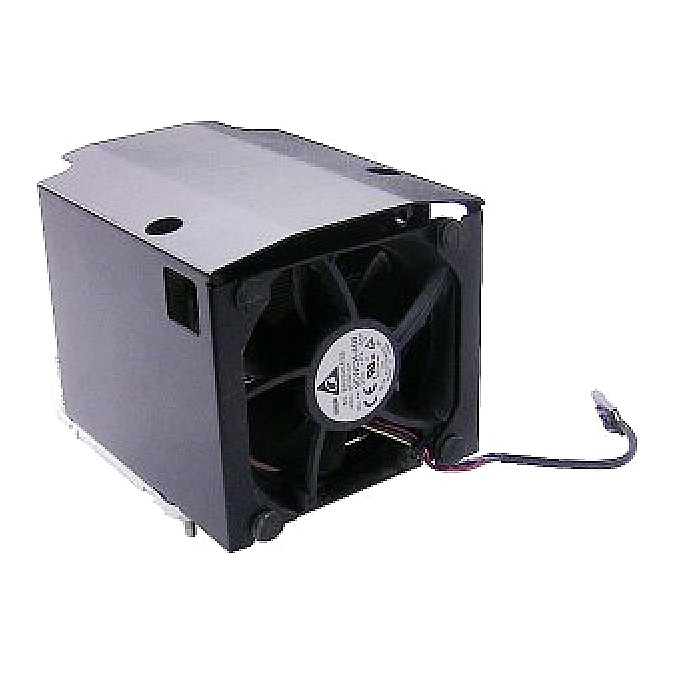
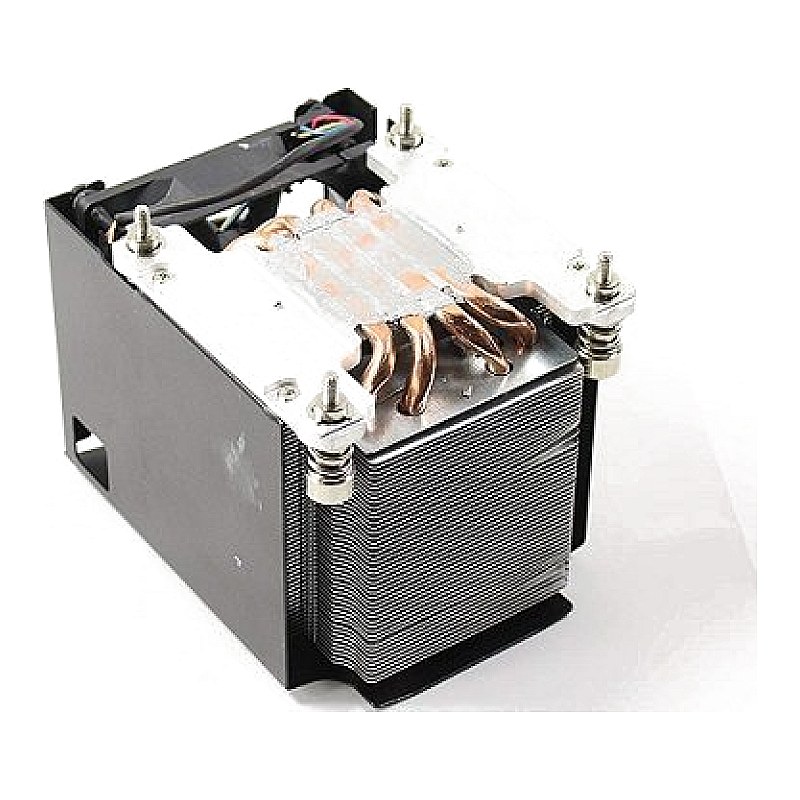
Dell Precision Workstation T3600 / T5600 / T7600 Desktop CPU Heatsink and Fan Assembly DPN:1TD00,01TD00. Brand: Dell. Part #: 1TD00,01TD00. Other Part # Variances:Part Number: CN-01TD00. Specs:-. :: Type: Fan/Heatsink…
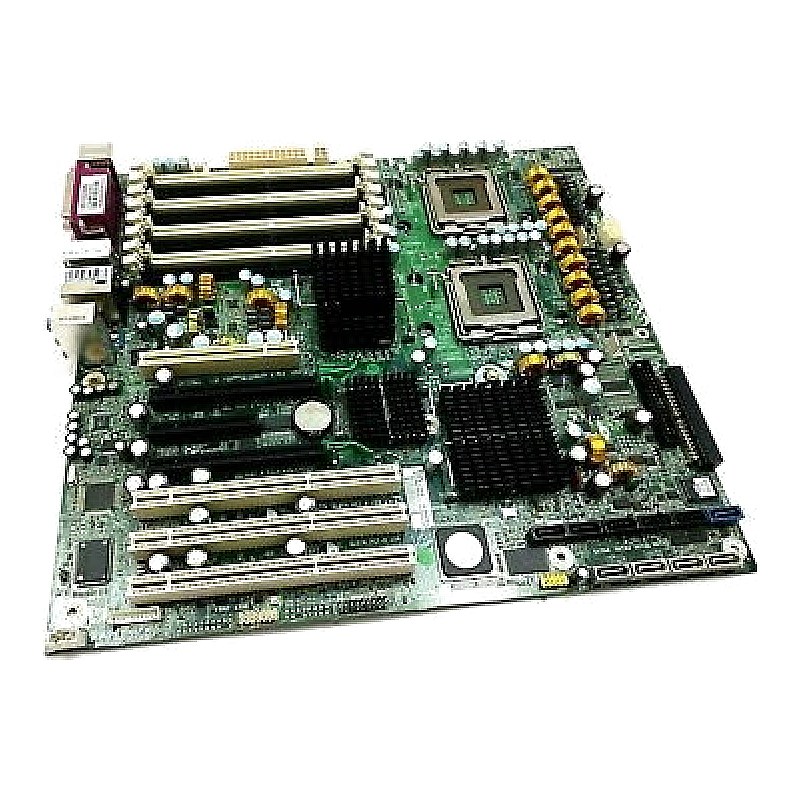
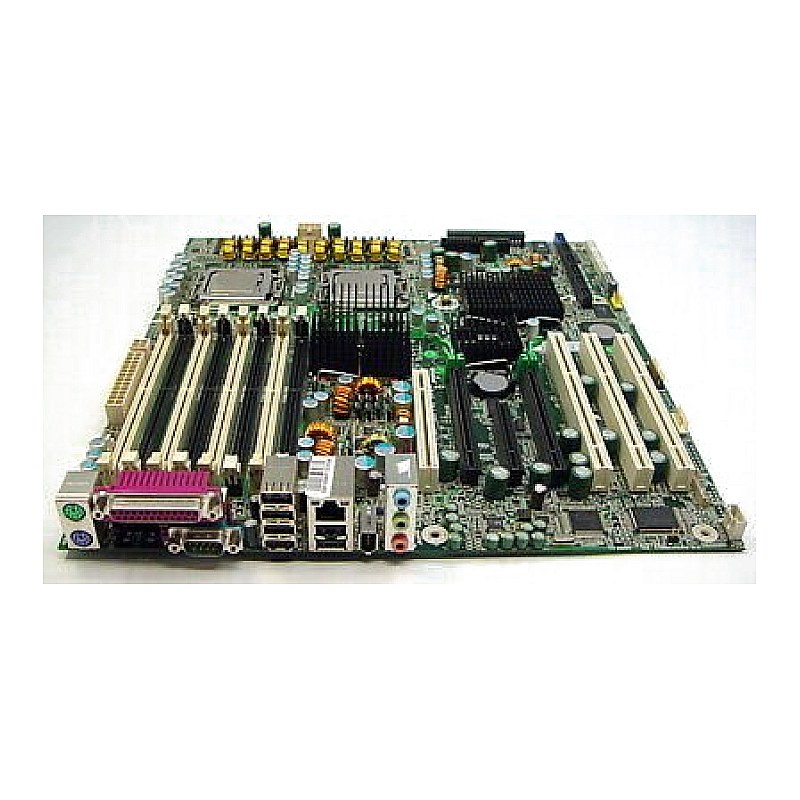
HP System Board (MotherBoard) Dual Socket-771 for XW8400 WorkStation HPN: 442028-001. Brand: HP. Part #: 442028-001 380688-003. Specs:-. Motherboard Specifications: CPU Supported: Quad-Core Intel Xeon Processor 5300…
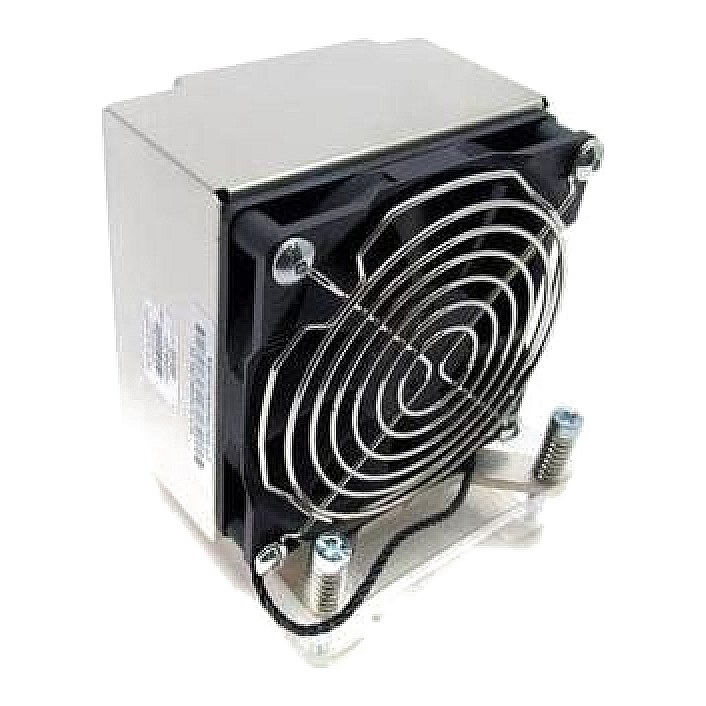
HP CPU Heatsink with Fan for Workstation XW6400 XW8400 HPN:417421-001. Brand: HP. Part #: 417421-001 398293-001. Compatibility: HP Workstation XW6400. XW8400. Condition: New; factory sealed spare part. Warranty: 1 (one)…
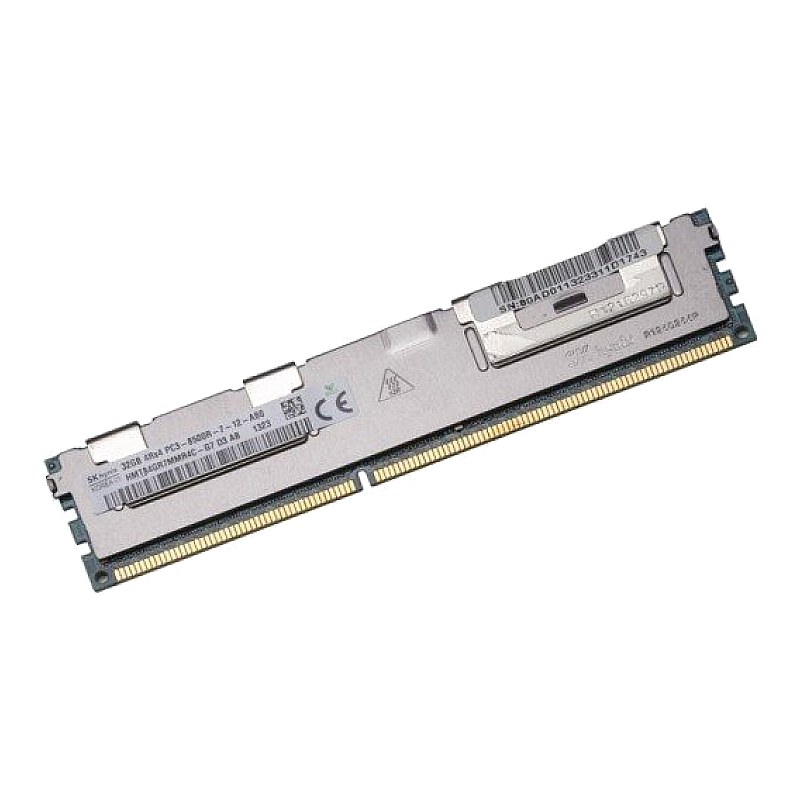
HP 4GB (1X4GB) 667MHZ PC2-5300 CL5 FULLY BUFFERED DDR2 SDRAM 240-PIN DIMM GENUINE HP MEMORY KIT HPN: 419008-001. Brand: HP. Part #: 419008-001. Specs:-. Technology: DDR 2 SDRAM. Capacity: 4gb. No. of Modules: 1 x 4Gb…
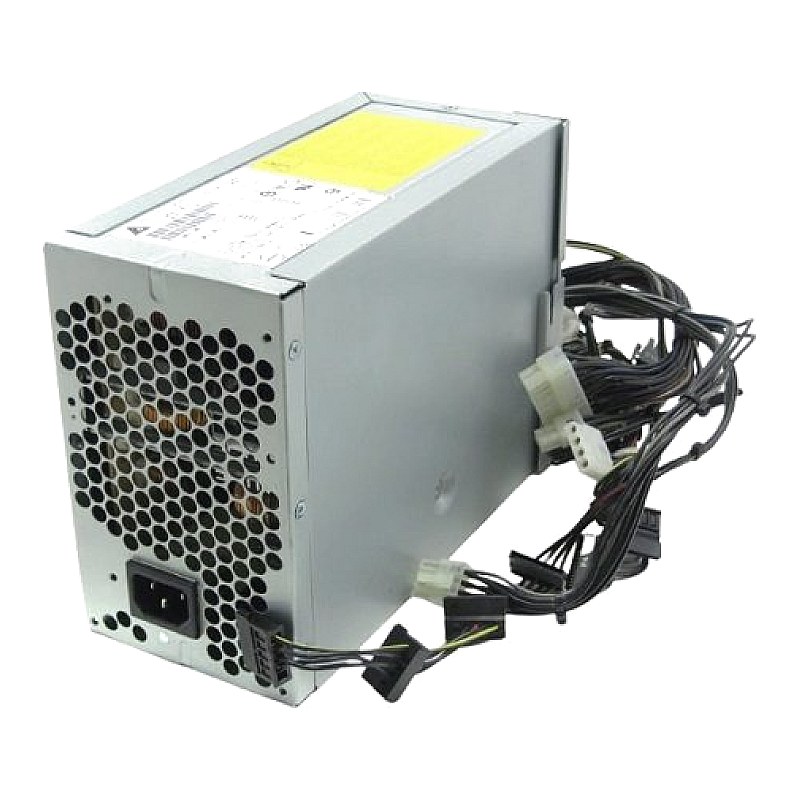
HP 800W Silver power supply unit HPN: 408947-001. Brand: HP. Part #: 408947-001. Alt. Part # (s): 405351-002, 405351-003, TDPS-825AB. Specs: -Total power:800 WAC input voltage: 100 - 240AC input frequency: 47 - 63Input…