
HPE Certified Memory
**What does HPE certification actually mean?** HPE takes standard server memory—**DDR4, DDR5, RDIMM, LRDIMM,** etc.—and puts particular DIMMs through its own qualification process on its server platforms. HPE says Smart Memory is: - Tested and qualified on HPE server platforms. - Optimized for the particular HPE server architecture. - Authenticated by the server in supported generations. - Designed to work with HPE's memory monitoring and management functions. - Qualified for particular combinations of capacity, rank, speed, DIMM population and processor. HPE-certified memory generally means RAM that Hewlett Packard Enterprise has specifically qualified and tested for use in its servers. HPE's current terminology is largely HPE Smart Memory. It is important to distinguish this from simply buying **a DIMM with the right specifications**. A third-party DIMM can be electrically compatible while not being HPE-qualified. The underlying memory technology is industry standard; the difference is the qualification, firmware interaction, validation and support. HPE says Smart Memory can enable memory configurations and performance characteristics that aren't necessarily available with generic DIMMs. For example, older HPE documentation shows situations where HPE Smart Memory could run certain DIMM populations at lower voltage or higher supported speeds than third-party memory. ***On newer DDR5 systems, HPE similarly says Smart Memory is tested across HPE platforms for signal integrity and reliability and supports particular high-speed configurations.*** The key point is that HPE-certified/Smart Memory is not necessarily required for an HPE server to boot, but it becomes important when you care about validated reliability, performance, diagnostics, and support. There are several possible repercussions if you use non-HPE memory. **1. The server may work perfectly — or it may not work at all** A good third-party ECC RDIMM with the correct electrical characteristics c
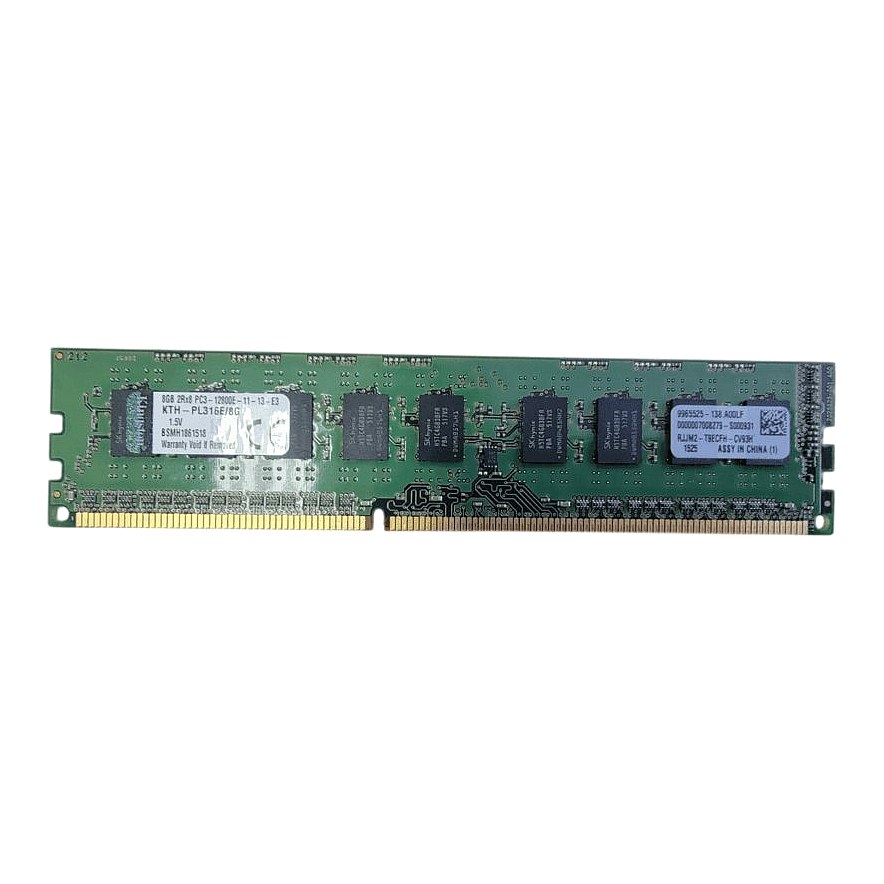
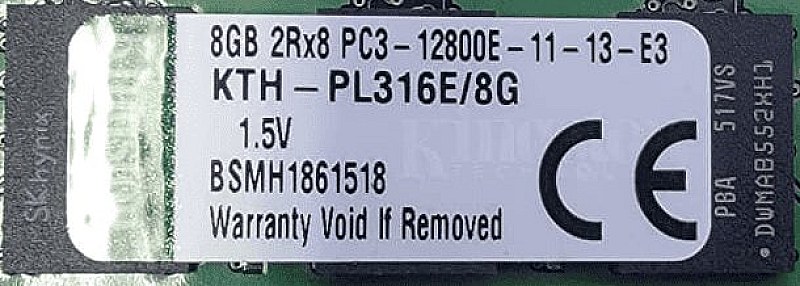
Kingston Technology 8GB DDR3 1600MHz PC3 Memory Module Part #: KTH-PL316E/8G. Brand: Kingston. Part #: KTH-PL316E/8G. Alt. Part #: KTH-PL316E/8G. Specs:-. Capacity: 8 GB. Type: PC3-12800 DDR3 SDRAM. RAM Speed: 1600MHz…
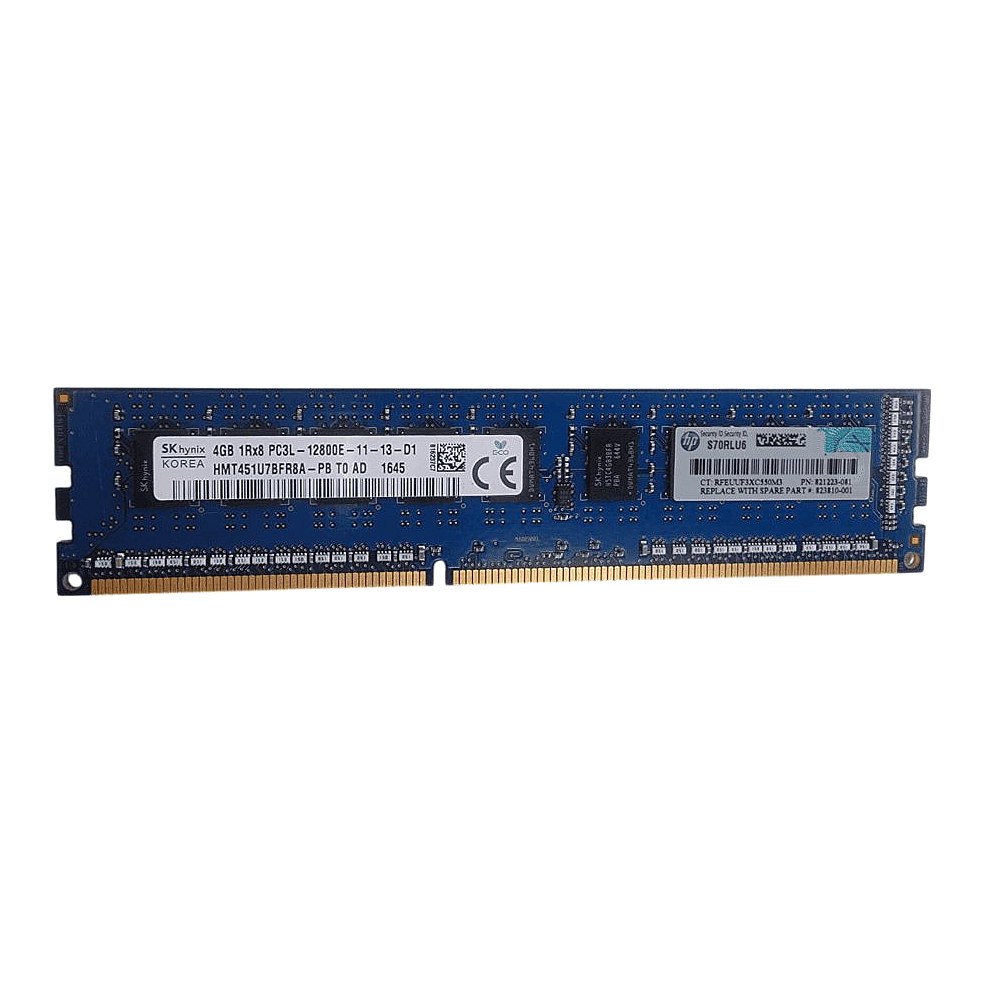
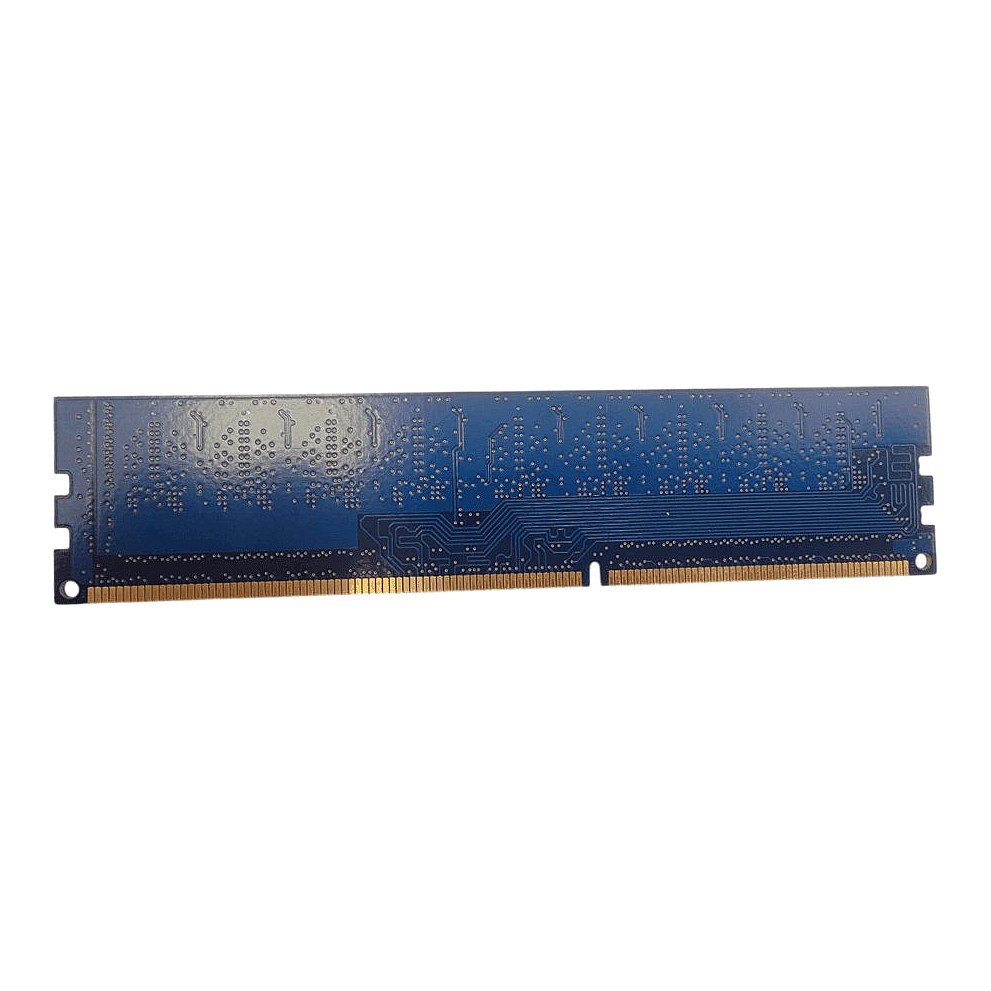
Hynix 4GB PC3-12800 DDR3-1600MHz CL11 240-Pin Memory Module Part #: HMT451U7BFR8A-PB. Brand: Hynix. Part #: HMT451U7BFR8A-PB. Alt. Part #: HMT451U7BFR8A-PB. Specs:-. Capacity: 4 GBMemory Type: DDR3 SDRAM. Bus Speed…
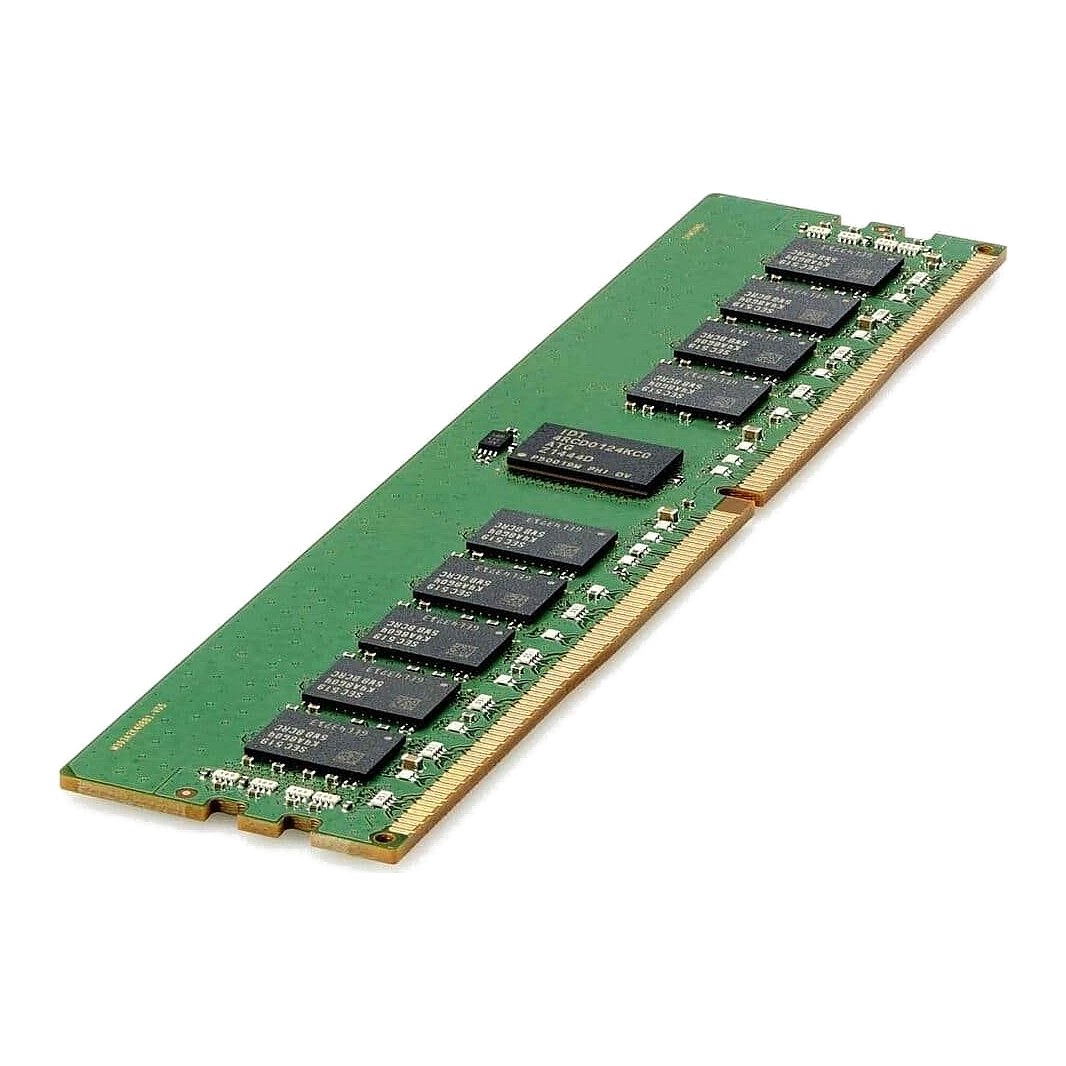
HPE 32GB DDR4-2933/PC4-23400 288-Pin Memory Module Part #: P14635-001. Brand: HPE. Part #: P14635-001. Alt. Part #: P14635-001. Specs:-. :: Capacity: 32GB. :: Memory Technology: DDR4 (SDRAM). :: Voltage: 1.2V. :: Speed…
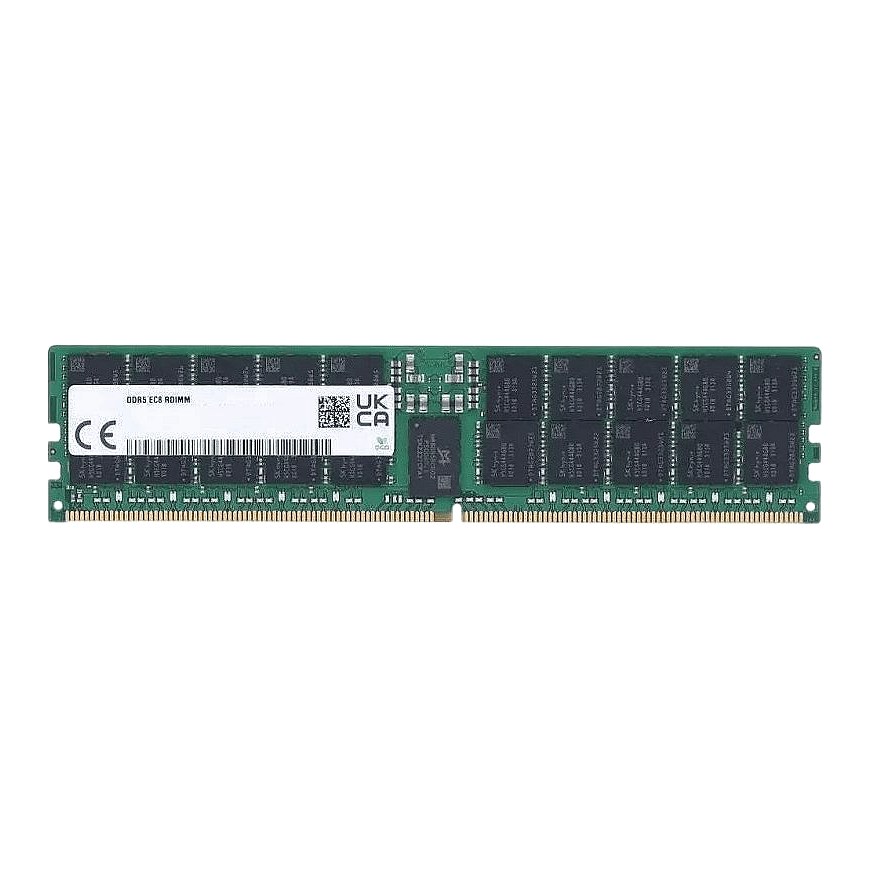
HPE 32GB PC5-44800 DDR5-5600MT/s 2Rx8 Memory Module Part #: P65254-001. Brand: HPE. Part #: P65254-001. Alt. Part #: P65254-001. Specs:-. :: Kit #: 1 x HPE 32GB PC5-44800 DDR5-5600MT/s 2Rx8 Memory Module. :: Capacity…
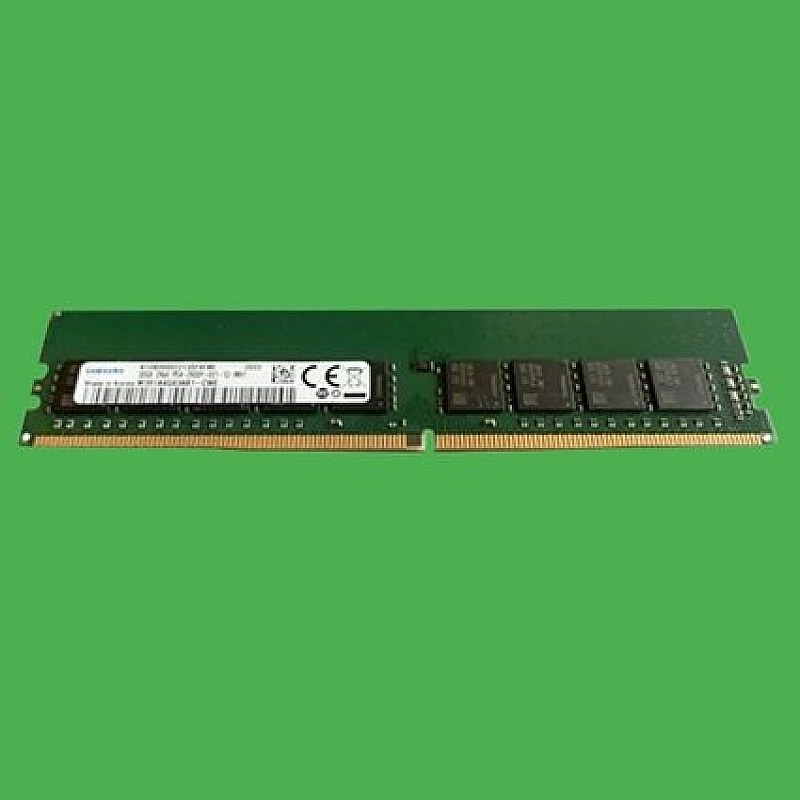
HPE 8GB (1x8GB) Single Rank x8 DDR4?3200 CAS?22?22?22 Registered Smart Memory Kit HPN: P21671-001,P07525-B21,P07525-S21. Brand: HPE. Part #(s): Option Part #: P07525-B21. SmartBuy Part #: P07525-S21. Spare Part #…

HP 4GB PC3L-10600R DDR3-1333 SDRAM Memory Module Part #: 647647-071 / 664688-001 / 647893-B21. Brand: HP. Part #: 647647-071. Alt. Part #: 664688-001 / 647893-B21. Specs:-. :: Capacity: 4GB. :: Memory Technology: DDR3…
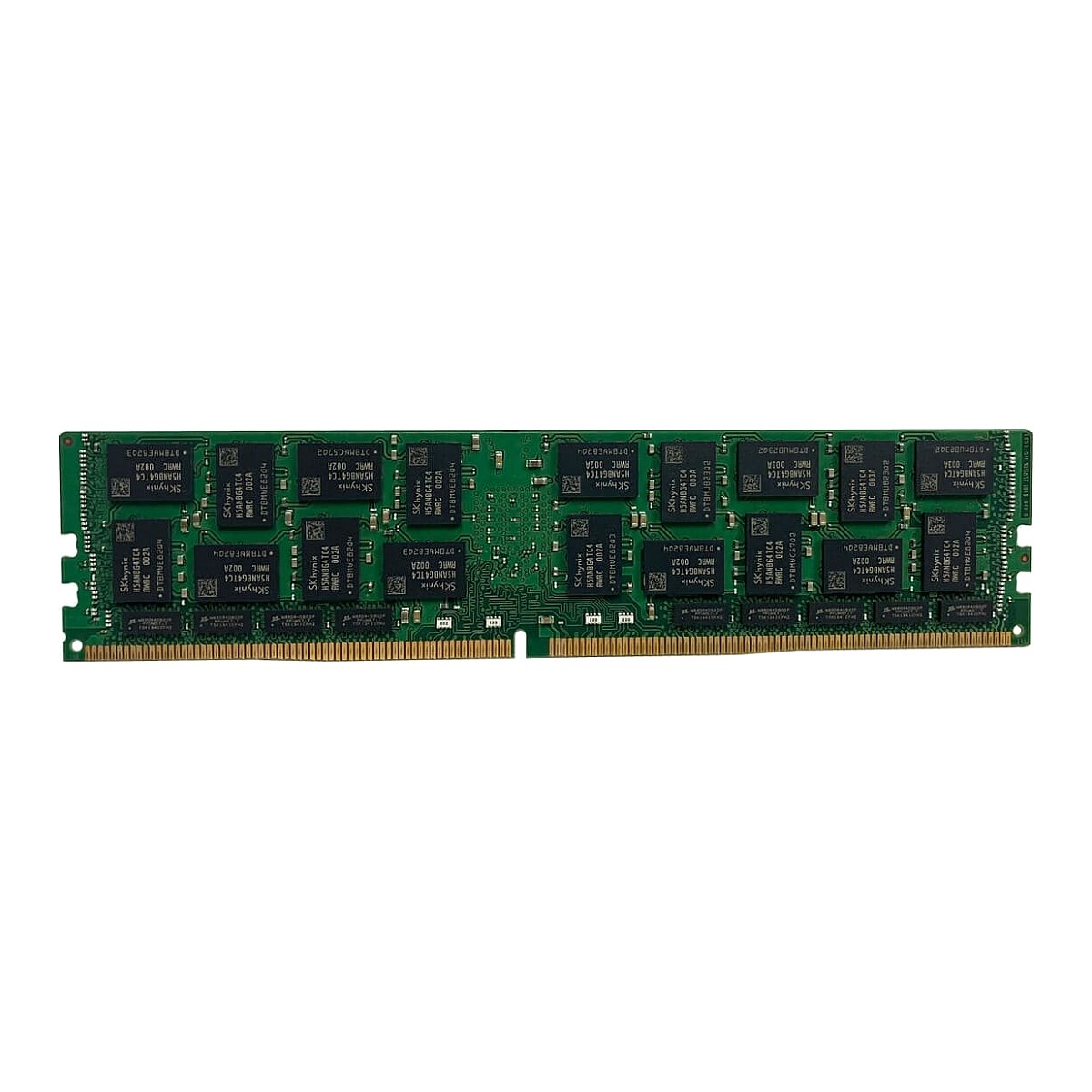
HPE 128GB Octal Rank x4 DDR4-2933 Memory Module Part #: P00928-B21 / P00928-S21 / P06191-001 / P03055-091. Brand: HPE. Part #: P00928-B21. Alt. Part #: P00928-S21 / P06191-001 / P03055-091. Specs:-. :: Kit: 1 x HPE…

HPE 64GB Dual Rank x4 DDR4-3200 Memory Module Part #: P06035-B21 / P21676-001 / P11446-0A1. Brand: HPE. Part #: P06035-B21. Alt. Part #: P21676-001 / P11446-0A1. Specs:-. :: Capacity: 64GB. :: Memory Technology: DDR4…
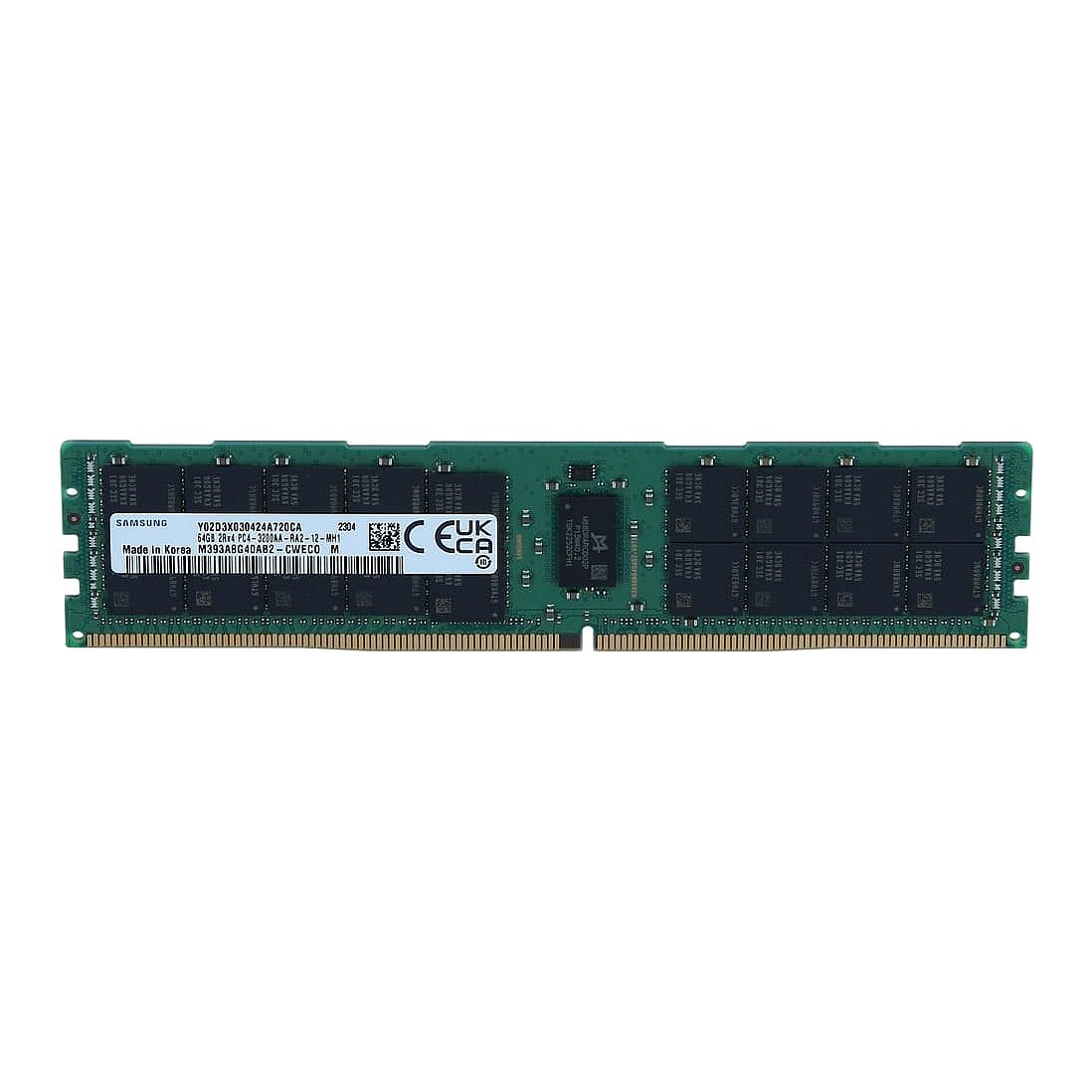
HP 64GB PC4-25600 DDR4-3200 SDRAM Memory Module Part #: P07650-B21 / P20504-001 / P11446-1A1. Brand: HP. Part #: P07650-B21. Alt. Part #: P20504-001 / P11446-1A1. Specs:-. :: Kit: 1 x HP 64GB PC4-25600 DDR4-3200 SDRAM…
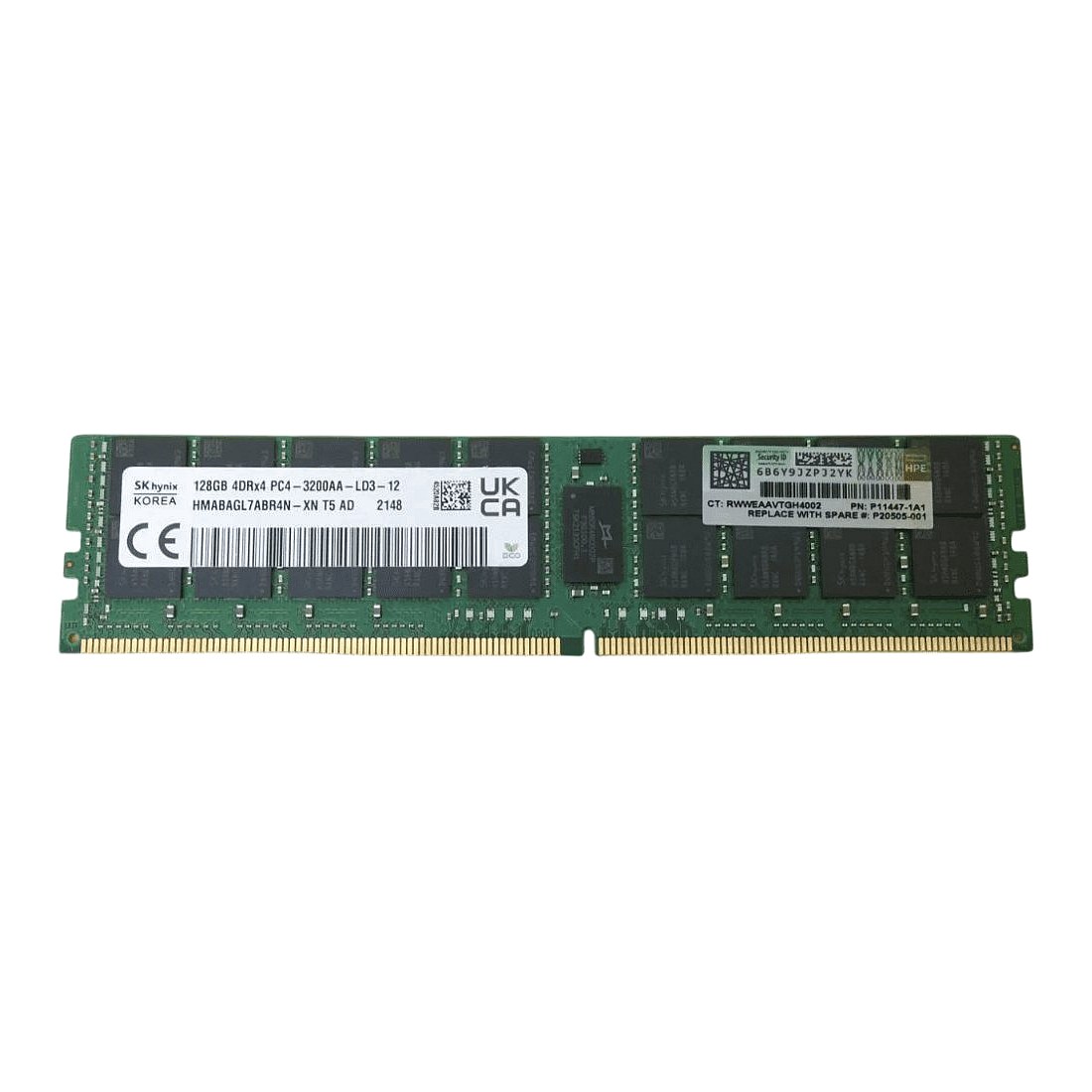
HPE 128GB Quad Rank x4 DDR4-3200 Memory Module Part #: P07652-B21 / P20505-001 / P11447-1A1. Brand: HPE. Part #: P07652-B21. Alt. Part #: P20505-001 / P11447-1A1. Specs:-. :: Kit: 1 x HPE 128GB Quad Rank x4 DDR4-3200…
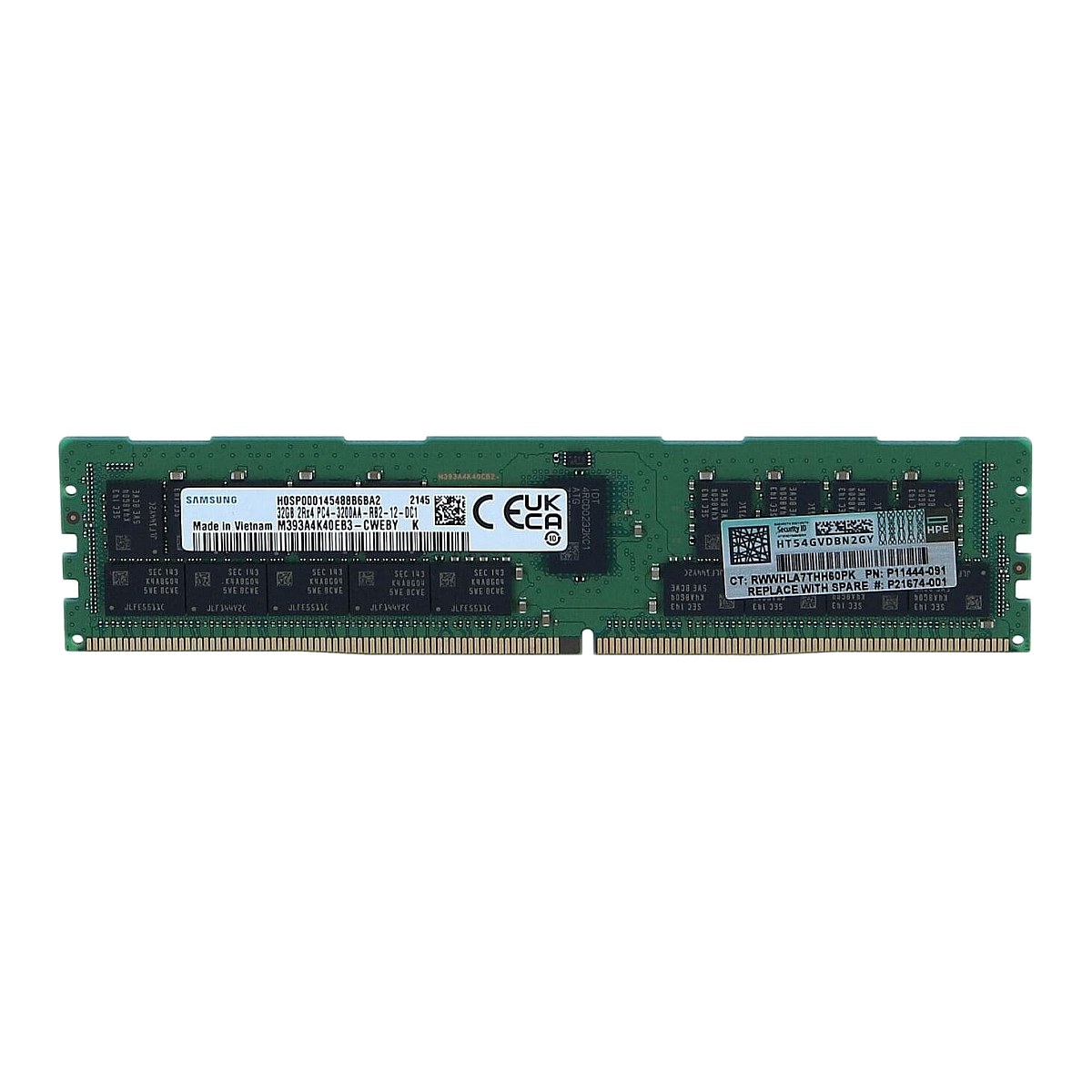
HPE 32GB Dual Rank x4 DDR4-3200 Memory Module Part #: P06033-B21 / P21674-001 / P11444-091. Brand: HPE. Part #: P06033-B21. Alt. Part #: P21674-001 / P11444-091. Specs:-. :: Capacity: 32GB. :: Memory Technology: DDR4…
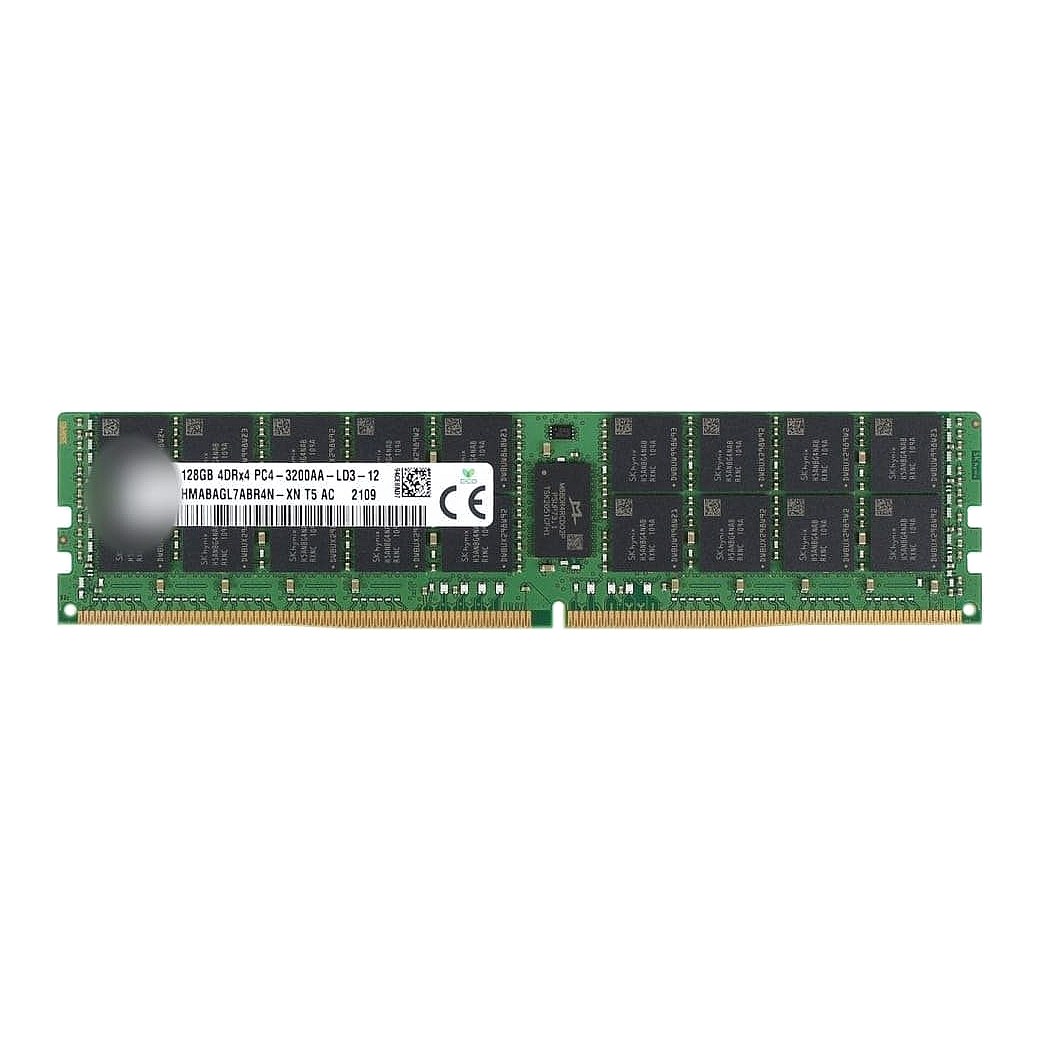
HPE 128GB Quad Rank x4 DDR4-3200 Memory Module Part #: P06037-B21. Brand: HPE. Part #: P06037-B21. Alt. Part #: P06037-B21. Specs:-. :: Kit: 1 x HPE 128GB Quad Rank x4 DDR4-3200 Memory Module. :: Capacity: 128GB…
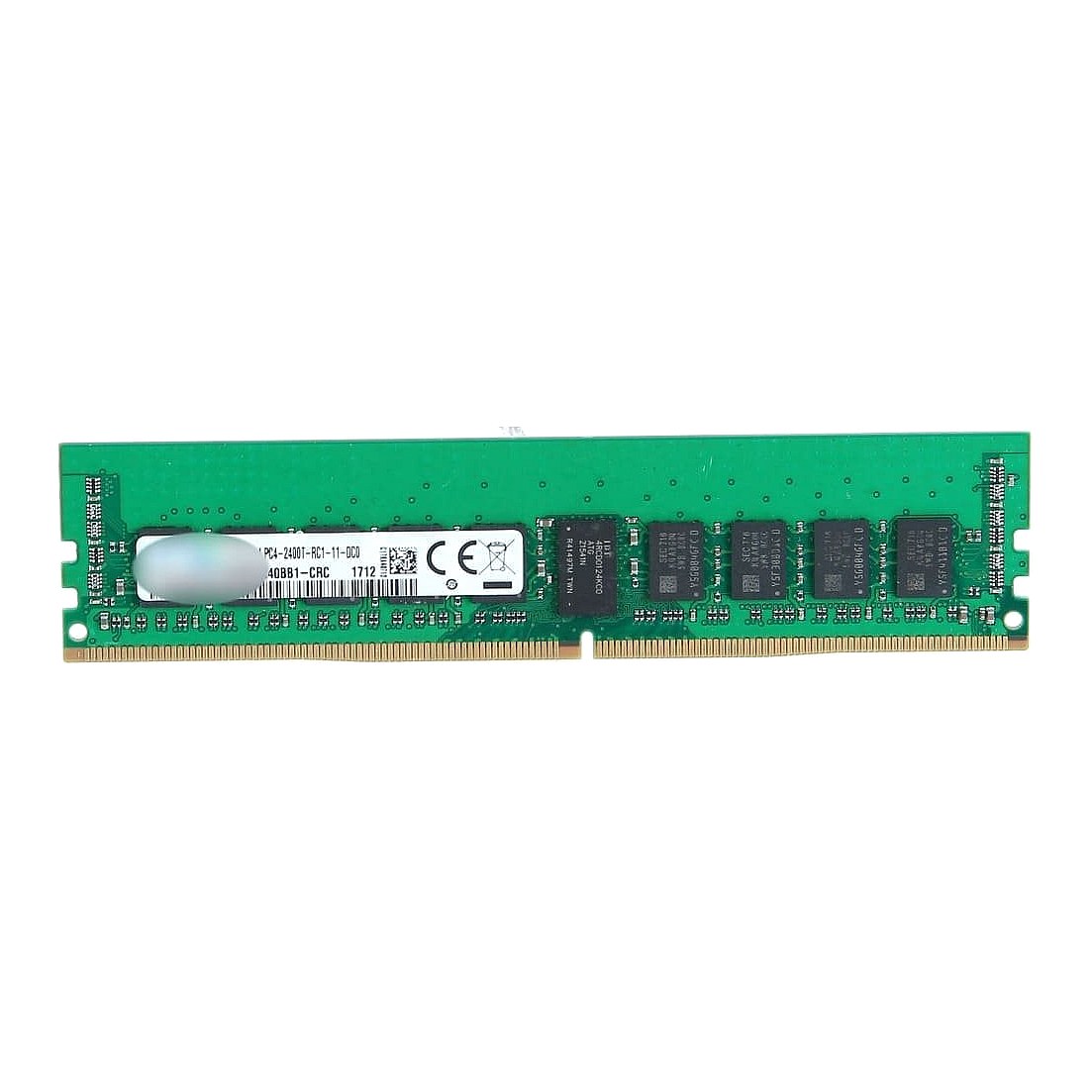
HPE 16GB 2400MHz 288-Pin ECC Reg DDR4 1Rx4 G9 Memory Module HPN: 809082-091,805349-B21,819411-001. Brand: HPE. Part Number(s). Option Part #: 805349-B21. Spare Part t#: 819411-001. Assembly Part #: 809082-091. Specs…
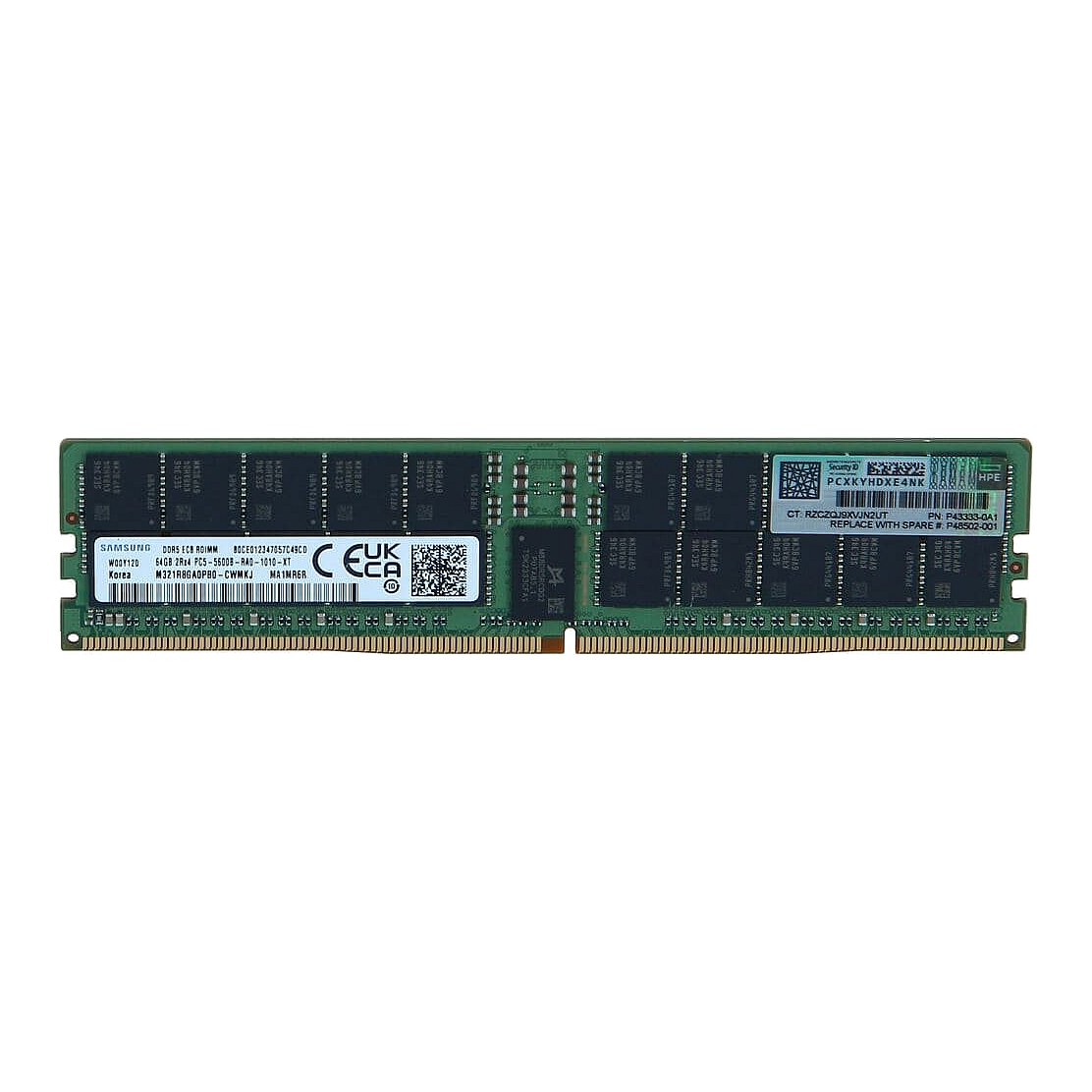
HPE 64GB (1x64GB) Dual Rank x4 DDR5-4800 RAM Module Part #: P43331-B21 / P48502-001. Brand: HPE. Part #: P43331-B21. Alt. Part #: P48502-001. Specs:-. :: Kit: HPE 64GB Dual Rank DDR5-4800 Ram Module (1). :: Memory Size…
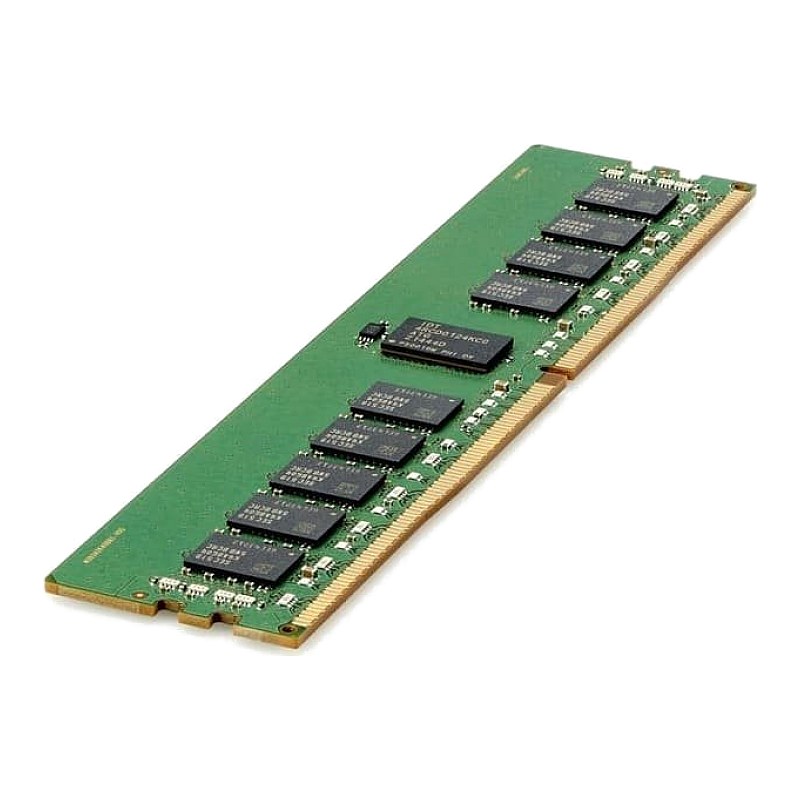
HPE 16GB 1Rx8 PC4-3200AA-E STN Memory Module Part #: P43019-B21. Brand: HPE. Part #: P43019-B21. Alt. Part #: P43019-B21. Specs:-. :: DIMM capacity: 16 GB. :: Voltage: 1.2 V. :: DIMM type: UDIMM. :: DIMM rank: Single…