
Server GPUs (Graphics Cards)
**A*video card*(also known as a display card, graphics card, display adapter, or graphics adapter) is an*expansion card*that generates and outputs images to a display, such as a computer monitor. These are often referred to as discrete or dedicated graphics cards to differentiate them from*integrated graphics*, which are built into the computer's main processor.** At the heart of every video card is the **graphics processing unit (GPU)**, a powerful processor responsible for rendering images. The term **GPU** is sometimes used to refer to the entire video card, though technically it refers only to the processing unit itself. Modern video cards do more than just output simple images. They often perform additional processing tasks, offloading these tasks from the central processor (CPU) to enhance overall performance. For example, **Nvidia** and **AMD (formerly ATi)** produce cards that render the graphics pipeline, such as **OpenGL** and **DirectX**, directly at the hardware level. In recent years, GPUs have also been increasingly used for **non-graphic tasks**, leveraging their high parallel processing power to handle tasks outside of graphics rendering, such as machine learning and scientific computing. Typically, video cards are designed as **printed circuit boards** (PCBs) that are inserted into **expansion slots** on a computer, like **AGP** or **PCI Express** slots. In some cases, they are housed in **dedicated enclosures** and connected to the computer via a **docking station** or cable, offering flexibility in their installation and use. **Browse our Catalog Now!**
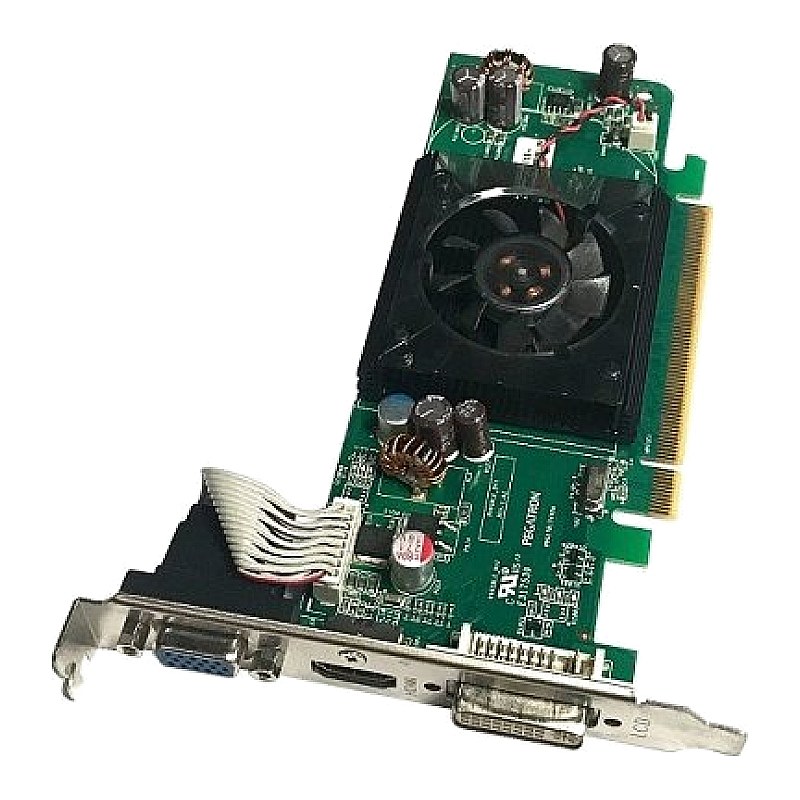
Dell Pegatron ATI Radeon HD 3450 256MB DDR2 64-Bit PCIe x16 Video Card DPN: F342F. Brand: Dell. Part #: F342F. Alt. Part #: F342F. Specs:-. :: GPU Clock: 600 MHz. :: Memory Clock: 500 MHz (1000 Mbps effective)…

HP NVIDIA Quadro K2000 2GB PCI-E Workstation Graphics Card HPN: C2J93AA. Brand: HP. Part #: C2J93AA. Alt. Part #: C2J93AA. Specs:-. :: Graphics processor: Quadro K2000. :: Maximum resolution: 3840 x 2160 pixels. :: CUDA…
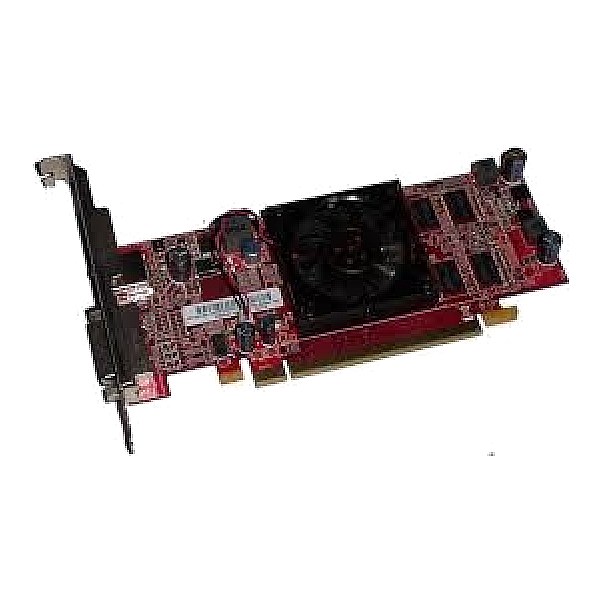
ATI Radeon HD5450 1GB PCI-E Video Card Eton ET856 Part #: 594394-001. Brand: ATI. Part #: 594394-001. Alt. Part #: 594394-001. Specs:-. :: Graphics Card API Supported: DirectX 11. :: Internal Interface: PCI Express 2.0…
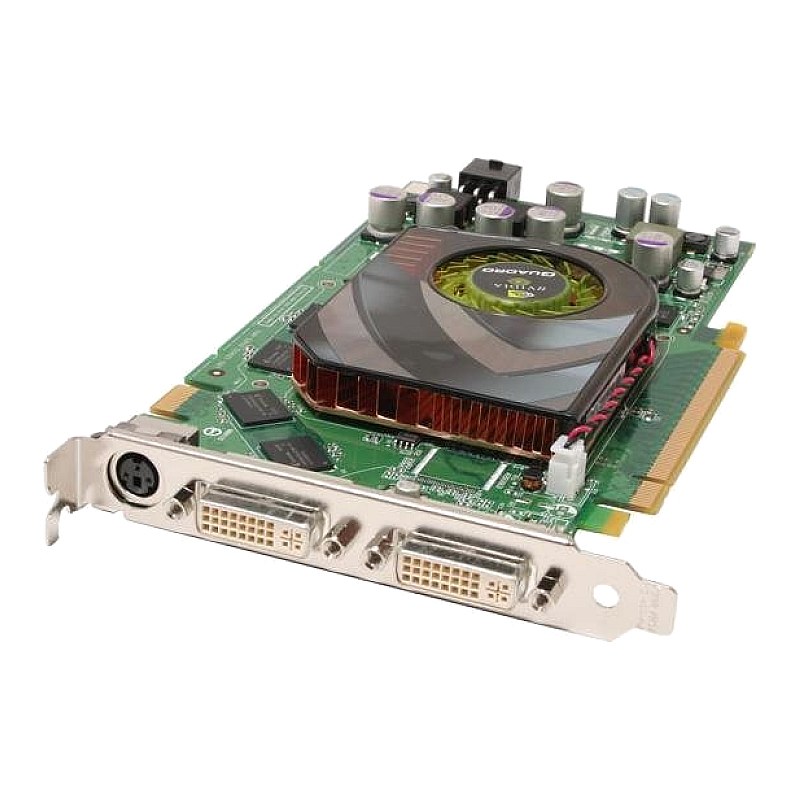
HP Nvidia Quadro FX 3500 256MB 3D PCI-E x16 High-End GDDR3 Part #: 412835-001 / 413110-001. Brand: Nvidia. Part #: 412835-001. Alt. Part #: 413110-001. Specs:-. :: Port: PCI Express x16. :: Card Form Factor: Full…